
There’s something primal about night fishing along the Texas coast. The daylight crowds disappear. The heat finally breaks. The marshes breathe differently after dark, and every sound seems amplified—the slap of mullet against the surface, the distant rumble of thunder offshore, the nervous chatter of terns settling into the evening.
And somewhere out there in the black water, predators are moving.
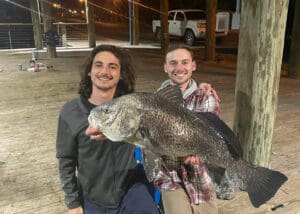
Night fishing has always carried a certain mystique for me. Some of the biggest trout, redfish and sharks I’ve ever encountered came long after sunset, when most anglers were back at the dock cleaning fish or eating shrimp po’boys under fluorescent lights. Whether you’re drifting a bay system in a boat or standing knee-deep along a beachfront under the stars, successful—and safe—night fishing doesn’t happen by accident. It requires preparation, discipline and gear that can handle the darkness.
The first thing I tell anyone wanting to fish at night is simple: your lighting setup matters more than your tackle.
A quality headlamp is essential because it keeps both hands free. I prefer one with multiple brightness settings and a red-light option that preserves night vision. A backup flashlight should always ride in the boat, truck or tackle bag because electronics fail, batteries die and Murphy’s Law works overtime after midnight.
For boat fishermen, navigation lights are non-negotiable. Whether you’re in a bay boat, kayak or johnboat, you need to make yourself visible. I’ve seen too many anglers running skinny water after dark with dim or malfunctioning lights, and that’s a recipe for disaster. Reflective tape on kayaks and life jackets adds another layer of visibility.
If you’re fishing from shore, beachfront or jetties, visibility still matters. Keep lights handy around uneven rocks, muddy shorelines and slick boat ramps. One bad step in the dark can end a trip instantly.
Speaking of safety gear—wear your life jacket when fishing from a boat.
Not stowed under a seat. Not hanging on the console. Wear it.
Darkness changes everything on the water. Depth perception becomes unreliable. Floating debris appears at the last second. A sudden wake can throw you off balance before you even process what happened.
As for tackle, simplicity wins at night. I scale down the number of lures and focus on confidence baits. Dark-colored topwaters produce well because they silhouette against moonlit skies. Soft plastics with paddle tails create vibration fish can track in stained water. Around beachfronts and passes, fresh cut bait and heavy leaders can bring explosive action from blacktips and bull sharks cruising close to shore under cover of darkness.
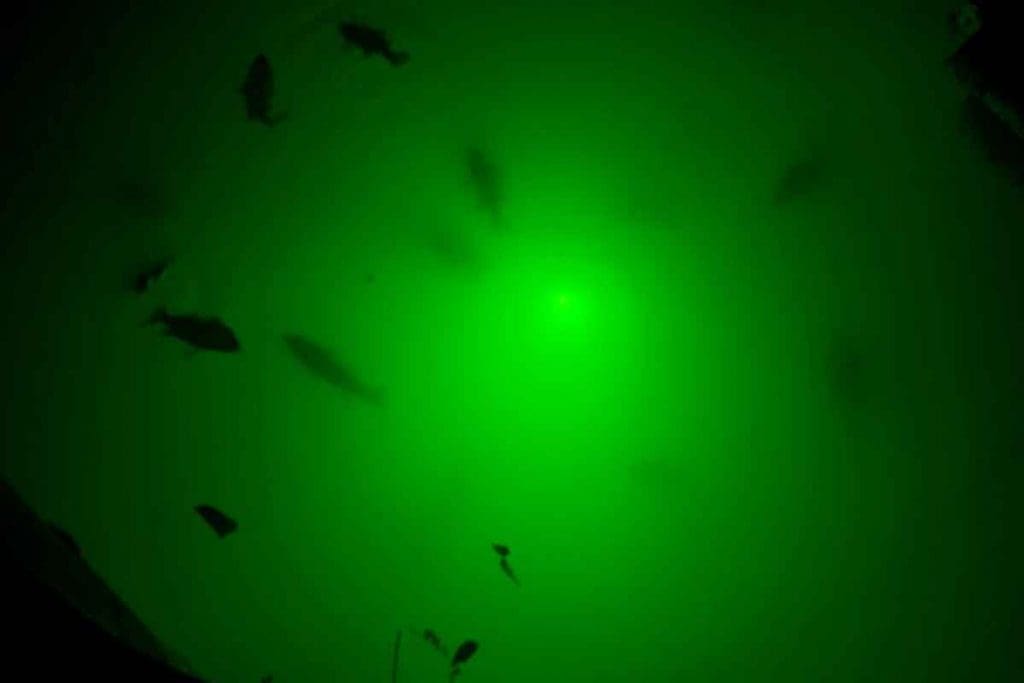
Artificial lights create their own ecosystems after dark. Dock lights and green fishing lights pull in plankton, which attracts baitfish, which attracts predators. Trout especially become ambush specialists around these glowing halos. Some of my favorite summer nights have involved quietly drifting within casting distance of dock lights while listening to the distant croaking of bullfrogs in the marsh.
Bank fishermen can experience the same magic around bridge lights, piers and beachfront access points. Night predators patrol those illuminated edges looking for an easy meal, and smart anglers know exactly where those feeding lanes form.
But electronics matter too.
Your phone should be fully charged and sealed in a waterproof pouch. A GPS unit or navigation app can save you when shorelines vanish into darkness and every stretch of marsh begins looking identical. Carry a marine radio if fishing open bays or offshore passes. And always let someone know exactly where you’re going and when you plan to return—whether you’re launching a boat or walking down an isolated stretch of beach.
Night fishing also changes how you approach clothing and protection. Temperatures can swing dramatically. Mosquitoes emerge in biblical numbers along some marsh systems. Lightweight long sleeves, a buff and quality bug spray become necessities instead of luxuries.
Then there’s the reality most outdoorsmen don’t like talking about.
The greatest danger at night isn’t always weather or wildlife.
Sometimes it’s people.
Over the years I’ve encountered some questionable situations fishing remote areas after dark. Strange boats easing too close without lights. Trucks parked at isolated ramps with occupants watching every move. People roaming shorelines at odd hours who clearly weren’t there to fish. Most folks outdoors are good people, but darkness has always attracted bad actors too.
That’s why awareness matters as much as tackle selection.
If something feels wrong, trust your instincts. Avoid isolated launches and remote beach accesses if possible and fish with a partner whenever you can. Keep your keys, phone and emergency gear accessible—not buried under tackle trays or left back in the truck. Pay attention to vehicles around ramps, parking areas and beachfront pull-offs.
Predators don’t all swim.
There’s also the reality that darkness changes human behavior. Tempers flare easier at crowded boat ramps. Reckless boaters run too fast through narrow channels. Alcohol too often mixes with late-night fishing trips, and judgment disappears quickly on the water and along the shoreline.
The outdoors after dark is beautiful, but it is not forgiving.
Too many anglers romanticize night fishing without respecting it. Add fatigue, darkness and isolation to the equation and small mistakes become major emergencies.
That’s why preparation isn’t paranoia—it’s survival.
The best night fishermen I know are methodical. They check weather reports obsessively. They organize gear before launch. They carry extra batteries, first-aid kits and emergency communication devices. Most importantly, they stay alert.
And maybe that’s part of why night fishing remains so addictive.
It forces you to respect the outdoors in its rawest form.
Out there beneath the stars, with black water stretching into unseen distance, you realize nature doesn’t care how experienced you are. Neither do the dangers that can emerge from the darkness—whether they come from water, weather or people.
At night, the outdoors demands humility.
And if you’re prepared, it sometimes rewards you with the kind of fishing—and perspective—you never forget.
Chester Moore
Safety & Awareness
- Fish with a partner whenever possible
- Let someone know your exact location and return time
- Avoid isolated ramps or beach accesses if possible
- Stay alert around unfamiliar boats or individuals
- Monitor weather and lightning conditions constantly
- Trust your instincts if something feels wrong