
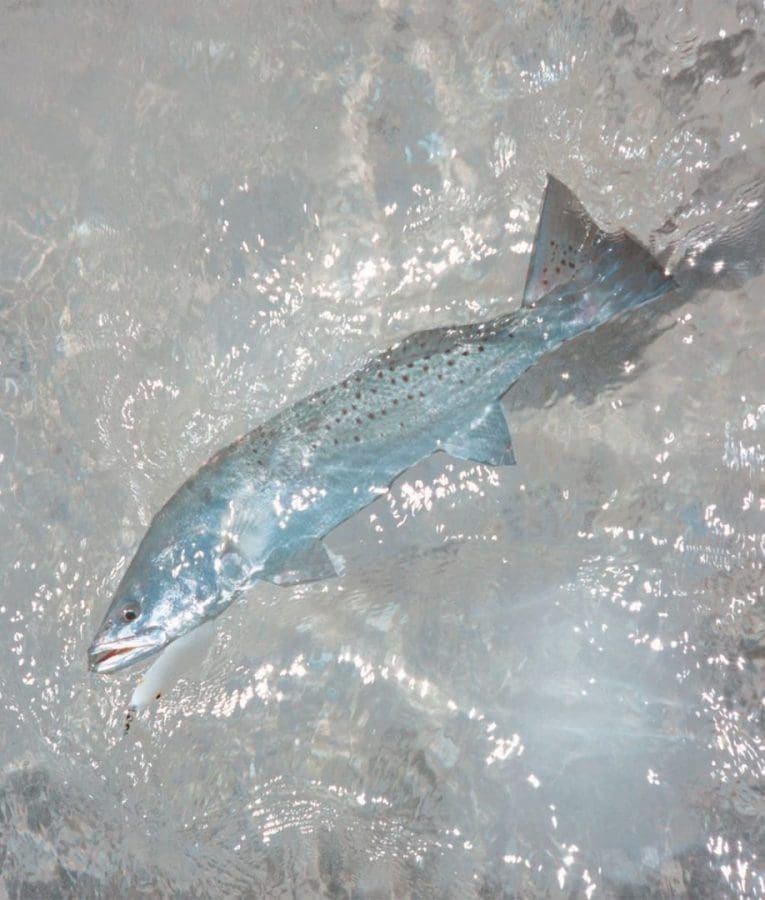
There’s something unforgettable about standing knee-deep in the Gulf surf at daylight and hearing a speckled trout explode on a topwater lure. Surf fishing for trout along the Texas coast combines simplicity with excitement. There are no marsh drains, docks, or backlake shorelines to hide behind—just waves, baitfish, and predators cruising the beachfront. When conditions line up with calm green water and active bait, the surf can produce some of the best trout action of the year.
Late summer into early fall is one of the prime times to target speckled trout in the surf. Schools of mullet and shrimp gather along the beachfront, and trout move into the guts and along the sandbars to feed heavily. The best conditions usually come with light winds, relatively calm seas, and what coastal anglers call “trout green” water. Clear water allows trout to feed more aggressively, especially during the low-light periods around sunrise.
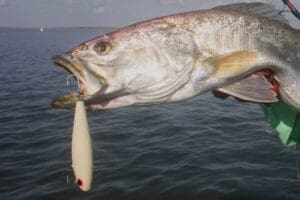
One of the biggest keys to success is learning how to read the surf. Speckled trout rarely roam aimlessly. Instead, they position themselves around subtle structure hidden beneath the waves. The first and second guts, washouts in the sandbars, and deeper bowls between bars all create feeding zones where baitfish get trapped or pushed around by wave action. Nervous mullet, shrimp skipping across the surface, slicks, or birds hovering low over the water can all signal feeding trout nearby. Many anglers make the mistake of walking too far offshore too quickly, only to realize later that fish were feeding within casting distance of the beach.
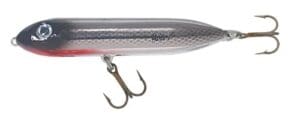
The early morning bite is often the most productive part of the day. Before the sun climbs high and boat traffic increases, larger trout commonly push shallow and feed aggressively. That’s when topwater lures become hard to beat. Walking baits like Super Spook Juniors, She Dogs, and Skitter Walks create a side-to-side action that imitates injured baitfish struggling near the surface. Bone, chrome, and chartreuse patterns consistently produce along the Texas beachfront, especially when mullet are thick in the surf. A steady walk-the-dog retrieve usually works best, but occasional pauses can trigger explosive strikes from larger trout following behind the lure.
As the sun gets higher and trout slide slightly deeper into the guts, soft plastics begin to take over. Paddle tails rigged on light jigheads are among the most versatile surf lures because they allow anglers to cover water while still maintaining a natural presentation. In cleaner water, natural colors like silver, opening night, and pearl often produce well, while brighter tails and chartreuse combinations can help trout locate the bait in stained surf. A slow steady retrieve with occasional twitches is often enough, especially when baitfish are thick along the beachfront.
Slow-sinking twitch baits are another deadly option in calm surf conditions, particularly when targeting larger trout. These lures imitate wounded baitfish and excel when fish become more cautious after the aggressive morning surface bite fades. The key is fishing them slowly. Long pauses between twitches often trigger strikes from trout following the lure. Many anglers make the mistake of working twitch baits too fast, but in clear surf, slower presentations frequently produce the better fish. On slick calm mornings, trout may track a twitch bait for several feet before finally committing.
Another overlooked tactic is fishing soft plastics extremely slow near the bottom of the guts. During brighter conditions or heavier fishing pressure, trout sometimes settle deeper and become less aggressive. Dragging or lightly hopping a soft plastic through deeper troughs can still produce steady action when faster retrieves fail. This approach is especially effective around mullet schools or areas where shrimp are active.
Stealth also plays a major role when targeting trout in clear surf conditions. Big trout can become surprisingly wary in shallow water, especially when the surf is calm. Moving slowly, avoiding excessive splashing, and making long casts can make a significant difference. Many experienced surf anglers spend as much time observing bait movement and wave patterns as they do casting.
Safety is always part of surf fishing as well. Conditions along the Gulf can change quickly, particularly during late summer weather patterns. Strong currents, sudden drop-offs, and stingrays all require attention. Wearing a wading belt, shuffling your feet, and fishing with a partner whenever possible are all smart precautions when wading the beachfront.
What keeps anglers returning to the surf is the unpredictability and raw excitement of it all. Every cast carries the possibility of a heavy trout crashing a lure in water shallow enough to see the flash of the strike. When the surf is calm, the bait is thick, and trout are feeding at daylight, there are few experiences on the Texas coast that compare to chasing speckled trout along the beachfront.
TF&G Staff