
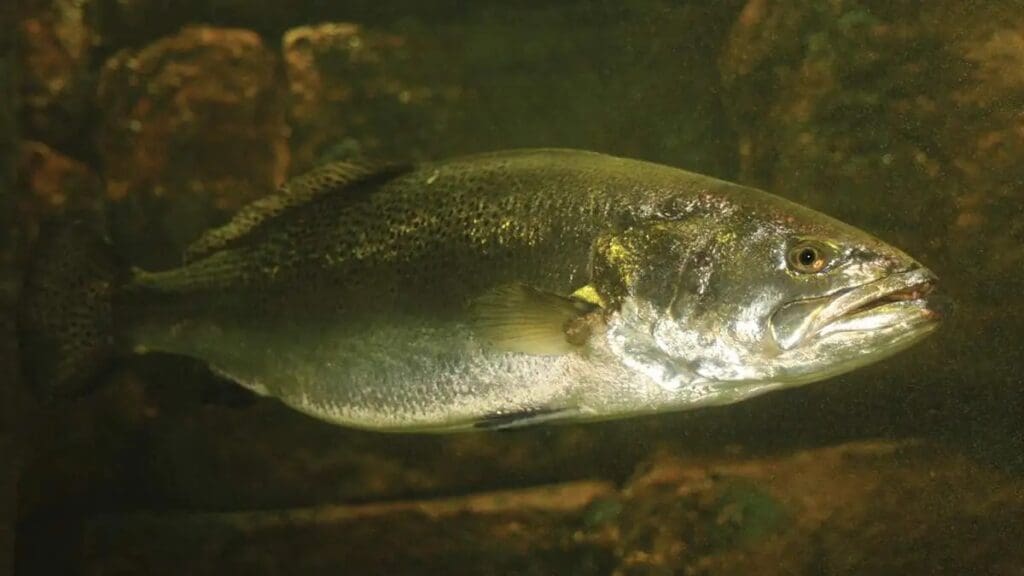
Bass anglers have long relied on electronics to “run the pattern” — finding the exact depth, structure, bait, and conditions holding fish, then duplicating it across an entire body of water. That same approach works extremely well in saltwater ship channels for speckled trout, especially when using modern electronics like the Humminbird XPLORE.
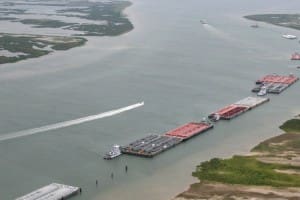
Instead of creek ledges and brush piles, trout anglers are looking for channel edges, shell transitions, current seams, bait schools, and subtle bottom changes. The key is identifying where trout are setting up in relation to current and forage. In major ship channels, trout rarely scatter randomly. They position around predictable feeding zones where moving water pushes bait directly to them.
Using side imaging and detailed mapping, anglers can quickly eliminate unproductive water and focus on the highest percentage areas. Channel bends, sharp ledges, underwater points, shell ridges, and intersections where feeder drains meet the main channel are all prime locations. Often, the most productive areas are not the deepest parts of the channel, but the transition zones where deep water meets a nearby feeding shelf.
Humminbird’s CoastMaster mapping has become a valuable tool for saltwater anglers targeting ship channels, reefs, and coastal structure. With detailed contours, depth highlighting, and enhanced bottom detail, it helps anglers quickly identify productive ledges, channel edges, and bait-holding areas before ever making a cast.
The XPLORE becomes especially valuable when scanning for life instead of blindly casting. Bait concentrations, suspended fish, and hard-bottom transitions all stand out clearly when idling productive stretches. Once trout are located in one area, anglers can begin duplicating that exact setup elsewhere in the system.
A productive trout pattern in ship channels usually includes several common ingredients:
- Moving tidal current
- Concentrated bait schools
- Sharp depth changes
- Shell or hard-bottom structure
- Trout suspended along ledges or current seams
- Nearby shallow feeding flats
Boat positioning also becomes critical in deeper channels. Many successful anglers position shallower and cast down-current across ledges, while others vertically work suspended fish beneath the boat depending on sonar readings and current flow.
The biggest advantage of modern electronics is not simply finding fish — it’s recognizing repeatable conditions. Once anglers identify the exact combination of depth, structure, bait, and current holding trout, they can stop randomly fishing and begin efficiently running the pattern across an entire ship channel system.
Final Thoughts
Ship channels intimidate many anglers because of their size and depth. But trout positioning is usually more predictable than people realize, especially moving into summer when many fish will find cooler water than in surrounding flats-especially during the heat of the day.
The Humminbird XPLORE allows anglers to break massive systems down into manageable pieces by focusing on the variables that actually matter:
- Structure
- Current
- Bait
- Depth
- Bottom composition
- Fish positioning
Find the ingredients once. And repeat them everywhere just as tournament bass fishermen do.
That’s how you stop randomly fishing a ship channel and start running a pattern for bigger speckled trout.