
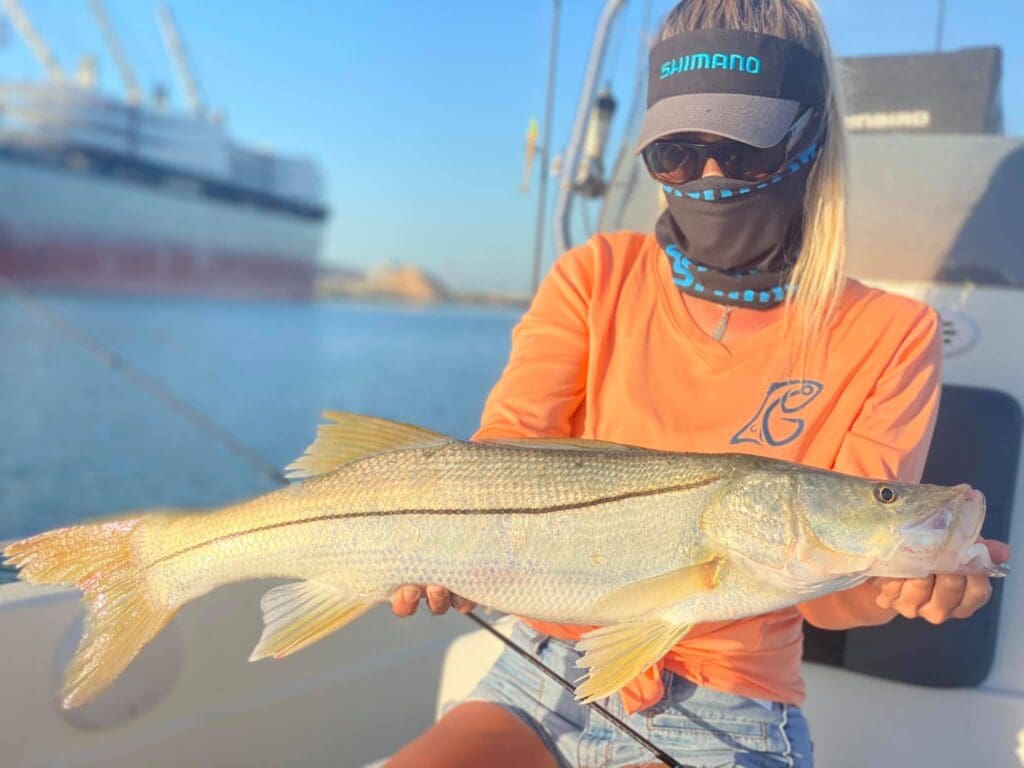
The Lower Laguna Madre doesn’t fish like the rest of Texas.
It never has.
Stretching from Port Mansfield to the Rio Grande, this vast shallow lagoon exists in a category of its own. Clear water, expansive grass flats, and a subtropical climate create conditions more reminiscent of Florida than the Texas coast. It’s a place where tailing redfish push across shin-deep flats, giant speckled trout haunt potholes in seagrass, and where anglers can realistically encounter snook and tarpon in the same system.
What makes the Lower Laguna special isn’t simply the species it produces. It’s the way those species interact with an environment built around grass, sunlight and bait movement. Water depth changes measured in inches can determine whether fish feed aggressively or disappear. Wind direction can transform an entire bay overnight. Seasonal temperature shifts trigger movements that affect everything from mullet to tarpon.
The Lower Laguna Madre rewards anglers who pay attention.
Because fish here don’t just occupy the system.
They live according to it.
The Redfish Kingdom
If one species defines the Lower Laguna Madre, it is the redfish.
The shallow grass flats that dominate the system create ideal habitat for reds. Vast expanses of turtle grass and shoal grass support shrimp, crabs and baitfish, giving redfish everything they need to thrive.
In summer, early mornings often reveal tailing fish pushing across shallow flats. On calm days, anglers can spot wakes, tails and subtle pushes of water from surprising distances. Sight-casting becomes more than a technique here. It becomes part of the culture.
The famous east-side flats hold fish throughout much of the year, but productive water can be found throughout the system. Wind-blown shorelines, sand pockets within grass beds and shallow drains all attract feeding reds.
Unlike many Texas bays, the Lower Laguna often allows anglers to see fish before making a cast. Success depends as much on observation and stealth as lure selection.
Speckled Trout Water
The Lower Laguna Madre has earned a reputation as one of the finest trophy trout fisheries on the Texas coast.
Grass is the key.
Large trout relate heavily to submerged grass beds, particularly areas containing sand pockets and potholes. These openings create natural feeding stations where trout ambush mullet, pinfish and shrimp.
During warmer months, many trout feed early and late, using deeper grass edges and nearby channels during periods of intense heat. Dawn patrols have become legendary among Lower Laguna anglers for good reason.
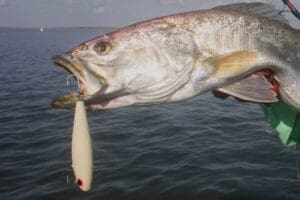
The region consistently produces trout that exceed the expectations of visiting anglers. While numbers can be impressive, it is the quality of fish that has built the area’s reputation.
Everything about trout fishing here revolves around understanding grass and the life it supports.
Snook Country
Few anglers realize the Lower Laguna Madre now supports one of the most significant snook populations in Texas.
Once considered rare visitors, snook have become increasingly established in the extreme southern portion of the system. Warm winters and expanding habitat have allowed these tropical predators to gain a foothold.
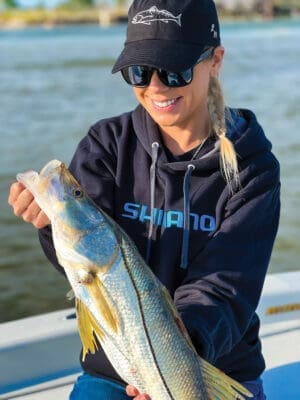
Mangrove shorelines near the Rio Grande, residential canals and protected backwaters provide ideal habitat. The Brownsville Ship Channel is probably the most famous snook hotpsot. Like their Florida counterparts, snook gravitate toward structure, ambushing baitfish around current breaks and shoreline cover.
They are among the most challenging fish in Texas coastal waters. Their explosive strikes, blistering runs and tendency to head straight for structure make every hookup memorable.
And their presence serves as a reminder that the Lower Laguna Madre truly is different.
Silver Kings
Tarpon represent the ultimate prize.
Every year, these magnificent fish migrate along the lower Texas coast, drawing anglers from across the country. While nearshore waters receive much of the attention, tarpon frequently move through portions of the Lower Laguna system and adjacent passes.
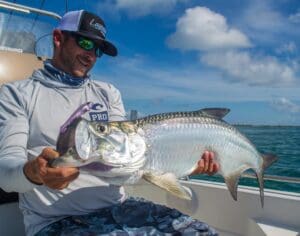
Large schools of mullet often signal their presence. Rolling fish at dawn can instantly change an ordinary day into something unforgettable.
Tarpon fishing is rarely about numbers. It is about opportunity.
Hours may pass without a sighting. Then suddenly a six-foot silver king rolls within casting range and everything changes.
Few experiences in fishing compare.
A Fishery Unlike Any Other
The Lower Laguna Madre occupies a unique place in Texas fishing.
It is shallow yet expansive. Delicate yet incredibly productive. Familiar in some ways and completely foreign in others.
Redfish tail across endless grass flats. Trophy trout stalk potholes. Snook patrol tropical shorelines. Tarpon roam the edges of the Gulf.
Together they create a fishery unlike anything else in the Lone Star State.
And for anglers willing to learn its moods, the Lower Laguna Madre offers something increasingly rare in modern fishing.
It’s a place that still feels wild.