
If there is one factor that can make or break a day on the Texas coast, it is tidal movement.
Over the years I have talked with countless guides and accomplished anglers from Sabine Lake to South Padre Island, and one thing consistently rises to the top of every conversation: moving water catches fish. While weather, bait availability, water clarity and season all matter, tidal movement is often the trigger that turns a slow day into a memorable one.
One of the best explanations of tides I have ever heard came from veteran coastal angler Jerry Holder. He said a tide is much like a wave. As that wave moves inland, it gradually loses strength. The closer you are to the Gulf, the more pronounced the tidal movement. The farther inland you travel into bay systems, marshes and back lakes, the weaker that movement becomes. That simple concept changed the way I approached fishing many years ago.
Many anglers make the mistake of simply checking the weather forecast before planning a trip. I look at tide charts first.
When I know I am going to fish a bay system, especially during periods of weak seasonal tides, I want to be on the water when there is some sort of movement. Fish are designed to take advantage of current. Baitfish get swept through drains, over reefs and along shorelines. Predators position themselves to intercept an easy meal. It is one of nature’s most efficient feeding systems.
The way tides affect fishing can vary dramatically depending on where you are in a bay system. One of the biggest mistakes anglers make is assuming every incoming or outgoing tide is equally productive everywhere.
In the southern portions of many Texas bay systems, incoming tides are often the key. Areas closer to passes and Gulf connections frequently benefit when clean water pushes inland. Along with that water comes life. Schools of mullet, menhaden, shrimp and other forage species ride those incoming tides, and gamefish follow.
I have seen countless situations where trout fishing suddenly came alive when Gulf water began pushing into a bay. Fish that were scattered or inactive suddenly set up on points, channel edges and reefs. Redfish often move farther into bay systems on these incoming tides as well, taking advantage of fresh feeding opportunities.
That is especially true in the lower portions of major bay systems. Places influenced by passes and channels often fish best when the tide is bringing something in. It is not just the water movement. It is what the water is carrying.
Channel fishing can be particularly productive during these periods.
Ship channels, passes and major cuts between bays magnify tidal movement. Water funnels through these narrow corridors, creating stronger currents than you will typically find on surrounding flats. These areas become highways for bait and predators alike.
AS THE WORLD’S ULTIMATE outboard motor brand, Suzuki always remains focused on providing the ultimate experience, which requires a healthy and clean marine environment.
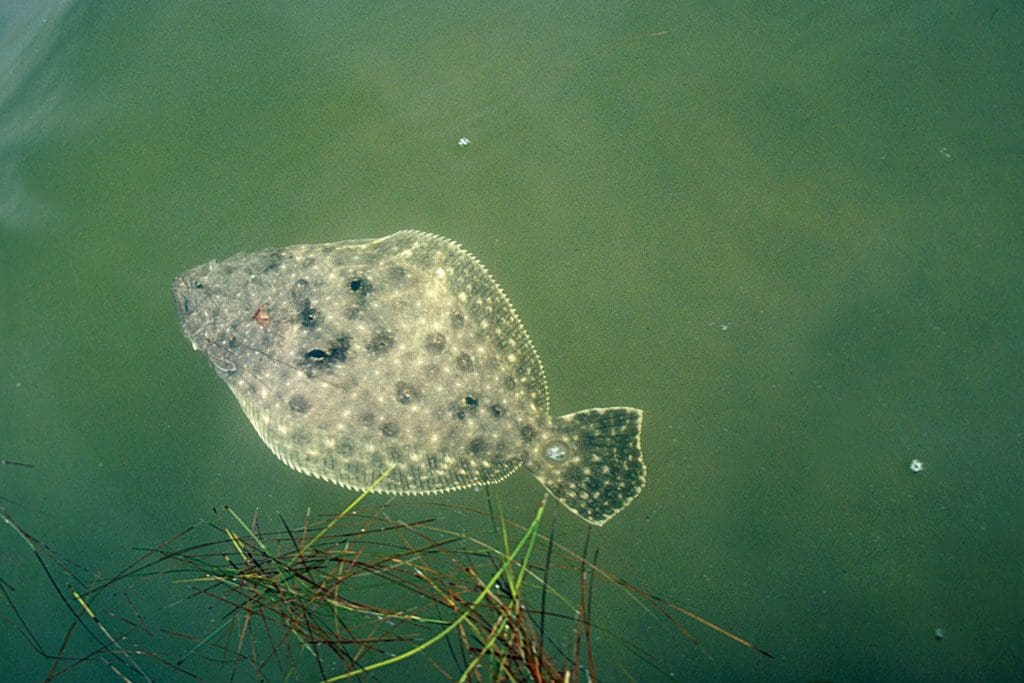
When incoming tides coincide with bait migrations, fishing near channel edges can be outstanding. Speckled trout often stack along drop-offs where they can ambush prey swept along by the current. Bull redfish frequently patrol these same areas, and flounder position themselves on the bottom waiting for an easy meal.
Outgoing tides create a completely different scenario.
One of my favorite periods to fish the Texas coast comes after a strong front. Anyone who spends enough time on the water has seen it happen. A front blows through, north winds howl, and water levels drop dramatically. Marshes, ponds and shallow backwater areas begin draining. It is almost like the bay system is being purged.
The water that has been spread across acres of marsh habitat suddenly starts moving toward drains, bayous and channels.
Everything living in those areas has to move with it.
Shrimp, small crabs, finger mullet and countless other forage species get concentrated into predictable locations. Predators know exactly what is happening and position themselves accordingly.
If you can combine one of those post-front marsh purges with a strong outgoing tide, the results can be spectacular.
For a day or two after a front, some of the hottest fishing of the year can occur around marsh drains, cuts and channel intersections. Trout, redfish and flounder often stack up in these locations because food is literally being delivered to them. Rather than searching vast areas for scattered bait, they simply wait for the buffet to come to them.
I have had some incredible days targeting these post-front feeding zones. The fish are often aggressive because they recognize a temporary opportunity. Once the water stabilizes and bait disperses, the concentration effect diminishes.
Of course, every coastal angler eventually encounters one of the most frustrating situations imaginable: slack tide.
Slack tide occurs when water movement nearly stops between tidal phases. The current disappears. Bait activity slows. Fish often become less aggressive. It can feel like someone flipped a switch and shut the bite down.
But slack tide does not always mean it is time to leave.
One of the best tricks I have learned involves fishing near ship channels during these seemingly dead periods. If you are positioned near a major channel and a large ship comes through, pay attention. Massive vessels displace tremendous amounts of water. As they move through the channel, they often create temporary current and water movement even during otherwise slack conditions.
I have witnessed this phenomenon numerous times. The water begins to pull. Bait suddenly becomes active. Within minutes, trout and redfish that seemed dormant start feeding. The bite may only last five or ten minutes, but it can be enough to put several quality fish in the boat.
Another strategy during slack tide is focusing on areas where current is generated by something other than the tide itself. Wind-driven shorelines, narrow cuts between lakes and channels, and areas where water is forced through constrictions can all provide enough movement to keep fish active.
The longer I fish the Texas coast, the more I appreciate the importance of timing. We often obsess over lure color, rod selection and the latest fishing technology, but none of those things can replace being in the right place when the water starts moving.
Successful coastal anglers learn to schedule their trips around tidal movement whenever possible. Sometimes that means launching before daylight. Sometimes it means fishing in the middle of the afternoon when everyone else is eating lunch. Sometimes it means waiting out a slow period because you know the current is about to begin.
The tide chart is not merely a suggestion. It is often the roadmap to success.
Whether you are fishing a grass flat in Galveston Bay, a marsh drain in Sabine Lake or a channel edge near Port Mansfield, understanding how tidal movement influences fish behavior can dramatically improve your results.
Because on the Texas coast, moving water is more than a condition.
It is the force that connects the Gulf to the bays, the marshes to the channels, and the bait to the predators.
Learn to follow it, and you will catch more fish.
Chester Moore