
When Gulf waters heat up, many anglers immediately think of red snapper season. That’s understandable, but limiting yourself to snapper means overlooking some of the most exciting fishing opportunities of the year.
Summer is prime time for several of the Gulf’s most powerful predators. King mackerel slash through schools of bait behind shrimp boats, cobia cruise around offshore platforms, sharks patrol chum slicks and red snapper stack up around reefs and structure throughout Gulf waters.
The key to success isn’t simply finding fish. It’s finding the bait, current and structure that bring them together.
Do that, and almost anything can happen.
Kingfish on the Hunt
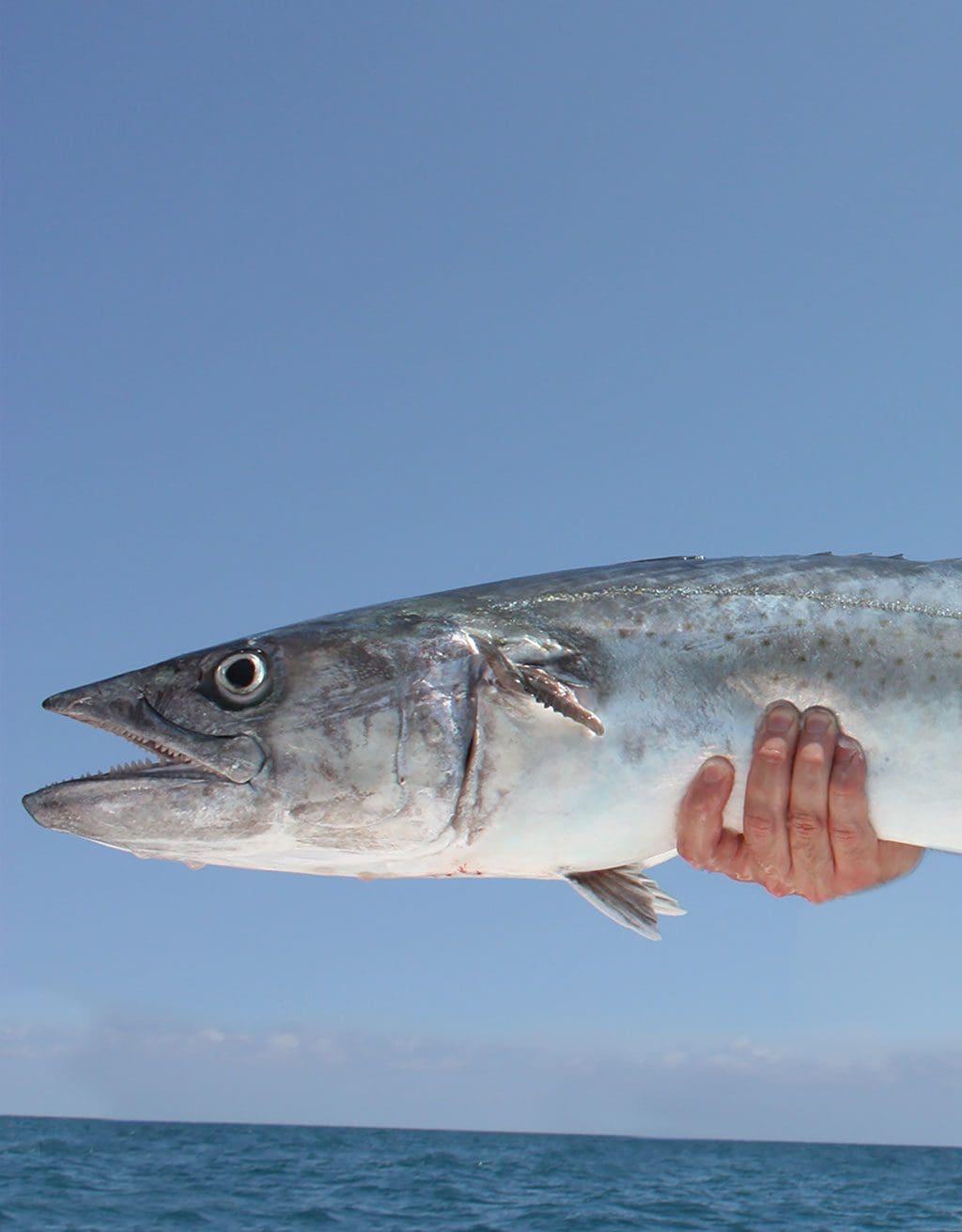
King mackerel are built for speed, and summer finds them covering huge stretches of Gulf water in search of baitfish.
Live menhaden, cigar minnows, blue runners and threadfin herring remain among the most productive offerings. Cut bait also produces, especially when slow-trolled around areas holding concentrations of forage.
Artificial lures deserve more attention than they often receive. Large spoons, deep-diving plugs and oversized lipless crankbaits can help anglers cover water quickly while searching for active fish.
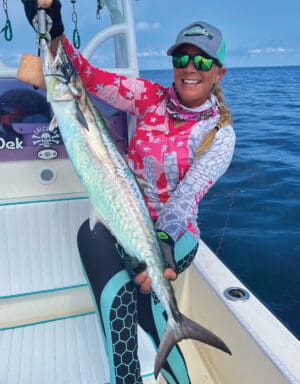
One of the most reliable summer patterns centers around working shrimp boats. The constant flow of bycatch creates feeding opportunities that attract kingfish, sharks and numerous other predators.
Around offshore structure, I spend less time worrying about elaborate chum setups and more time locating concentrations of bait. If bait is present, kingfish usually aren’t far behind.
The up-current side of a platform often deserves special attention. Baitfish gather there to take advantage of the structure’s protection from the current, and kings frequently patrol those areas looking for easy meals.
A slow-trolled live bait or large spoon worked around those zones can produce some of the biggest fish of the day.
Programs like Yamaha’s Rightwaters campaign are helping to keep our waterways healthy in many ways ranging from water quality to invasive species control. To learn more click here.
Red Snapper Season
For Gulf anglers, few summer traditions rival red snapper season.
These fish gather around reefs, wrecks, artificial structure and offshore platforms throughout the Gulf, providing anglers with both outstanding table fare and exciting action.
Many anglers make the mistake of immediately dropping baits to the bottom. While that certainly catches fish, larger snapper often suspend above the structure, especially when baitfish are present.
Modern electronics make locating these suspended fish easier than ever. Rather than fishing blindly, anglers can target fish holding at specific depths and dramatically improve their chances of connecting with larger specimens.
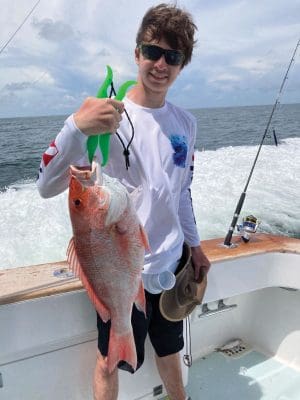
Live cigar minnows, threadfin herring and small hardtails are excellent choices when targeting trophy-class snapper. Fresh cut bonito, menhaden and squid remain proven producers as well.
Vertical jigging has become increasingly popular in recent years. Heavy metal jigs worked aggressively through the water column often trigger reaction strikes from larger fish and allow anglers to cover multiple depths quickly.
Current is one of the most important factors in snapper fishing. Positioning the boat correctly and allowing baits to drift naturally through the strike zone often produces better results than simply anchoring directly over structure.
The beauty of snapper fishing is that you never know what else might show up. Amberjack, cobia, kingfish and sharks frequently share the same habitat.
Sharks in the Slick
Sharks are among the Gulf’s most underrated gamefish.
Blacktips, spinner sharks, bulls and Atlantic sharpnose sharks all provide outstanding summer action and can test both tackle and anglers alike.
Heavy leaders are essential. Sharks can quickly destroy lighter tackle with both their teeth and abrasive skin, and even a powerful swipe of the tail can cause serious damage.
One of my favorite shark-fishing techniques involves establishing a steady chum slick. Rather than dumping large quantities of bait into the water, I prefer a constant flow of scent and small bait particles that drifts naturally with the current.
For blacktips and spinner sharks, sight-casting often becomes part of the fun. Watching a shark track a bait through clear water before committing to the strike is an experience few anglers forget.
A productive setup includes one bait positioned deeper for bull sharks and larger bottom-oriented species while additional free-lined baits target fish feeding higher in the water column.
Strong tidal movement often improves shark activity around rigs and offshore structure, making tide changes worth paying attention to when planning trips.
Ling Fever
Summer means cobia—better known to many Texas anglers as ling—begin showing up in greater numbers around Gulf structure.
These fish are notorious for their curiosity and can be found around platforms, buoys, standpipes, weedlines and virtually anything else floating offshore.
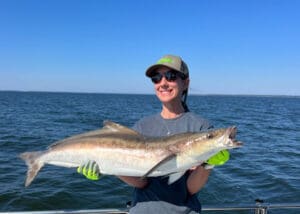
One reason cobia fishing remains so addictive is its unpredictability. A fish may appear alongside the boat without warning and disappear just as quickly.
That’s why experienced cobia anglers keep a dedicated pitch rod ready at all times.
Live crabs remain among the best baits available. Fresh cut bait, live pinfish and menhaden also consistently produce quality fish.
Artificial lures should never be overlooked. Large swimbaits, bucktail jigs, soft-plastic shrimp and imitation baitfish can all trigger aggressive strikes.
One lure that has accounted for several memorable fish over the years is a six-inch shrimp imitation in chartreuse. Bright colors often seem to grab the attention of curious cobia and trigger reaction bites.
When a fish appears around a platform or buoy, quick and accurate casts often make the difference between success and disappointment.
Don’t Overlook Weedlines
Some of the most productive offshore fishing occurs away from rigs and reefs.
Floating weedlines create miniature ecosystems that attract baitfish, flying fish, tripletail, kingfish, cobia and numerous other species.
Many anglers run right past them.
That’s a mistake.
Any concentration of floating grass deserves investigation, especially when baitfish are visible. Predators often patrol the edges looking for easy meals.
Casting spoons, swimbaits and soft plastics parallel to weedlines can reveal fish that would otherwise go unnoticed.
Tripletail are especially fond of floating structure and often appear where few anglers expect them.
Some of my most memorable offshore catches have happened while traveling between destinations rather than fishing the destination itself.
The Summer Advantage
Offshore summer fishing rewards versatility.
A day that starts trolling for kingfish can quickly turn into a red snapper trip. A stop at a platform might produce cobia. A chum slick intended for sharks could attract something entirely unexpected.
That’s what makes summer in the Gulf so special.
The ecosystem is alive with bait, predators are actively feeding and opportunities seem to appear around every piece of structure.
Stay alert, keep multiple rods ready and never assume you know what the next strike will be.
Because somewhere beyond the jetties, one of the Gulf’s true heavyweights is waiting.