
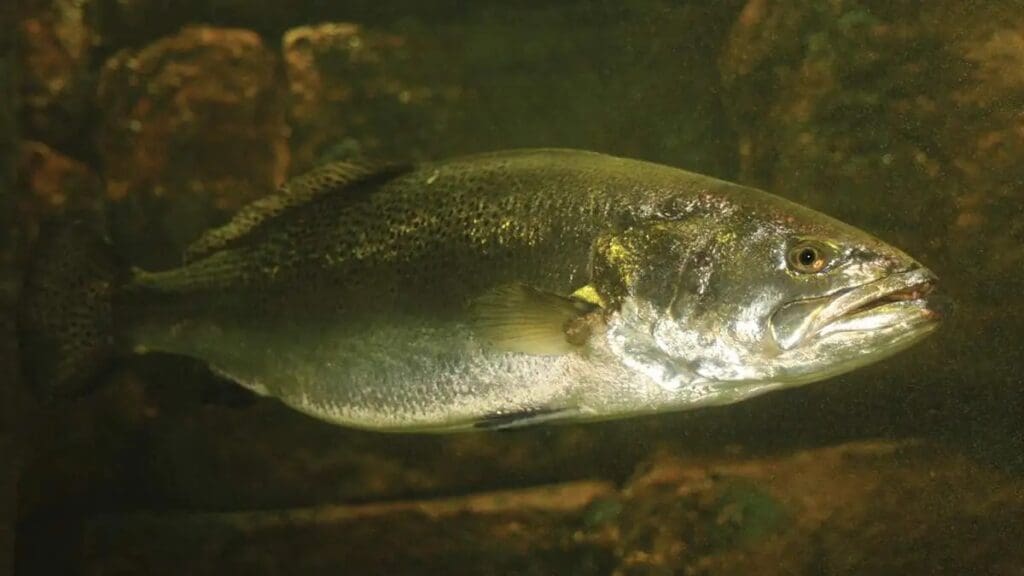
Some of the most memorable fish swimming in Texas waters are also some of the most important to release properly.
Bull redfish pushing forty inches in the surf, giant jack crevalle patrolling beachfront bait schools, and large sharks cruising nearshore waters represent the top end of the food chain. They are powerful, mature fish that have survived years—and in some cases decades—to reach trophy size. In many cases, these fish are also valuable breeders that help sustain future populations.
That is why catch-and-release fishing has become such an important part of modern conservation.
The key is understanding that releasing a fish is not enough. Releasing it in good condition is what truly matters.
The process begins the moment a fish is hooked.
One of the biggest mistakes anglers make is using tackle that is too light for the fish they are pursuing. While a prolonged battle may seem sporting, it can be extremely taxing on large fish. Extended fights create exhaustion and a buildup of lactic acid in the muscles. A fish that appears healthy at release may actually be severely stressed and less capable of recovering from the encounter.
When targeting bull reds, sharks, or large jack crevalle, anglers should use tackle capable of shortening the fight. The goal is not simply to land the

fish. The goal is to land it in a condition that gives it the greatest chance of survival after release.
This becomes especially important during the summer months when water temperatures are high. Warm water contains less dissolved oxygen, making recovery more difficult for exhausted fish.
Once the fish reaches the boat or shoreline, handling becomes the next major consideration.
Many anglers still make the mistake of dragging large fish completely onto the beach or lifting them onto a boat deck for photographs. That can cause serious injury.
Large fish are not designed to support their own weight out of the water. Their internal organs are buoyed by water. When removed from that support system, excessive pressure can be placed on muscles, organs, and skeletal structures.
This is particularly important with sharks. Large sharks should never be dragged long distances across the sand for photos. Instead, they should remain in shallow water whenever possible. Measurements and photographs can often be taken with the fish partially submerged.
The same principle applies to oversized bull reds and large jack crevalle. If a fish must be lifted briefly for a photograph, support it horizontally with both hands. Never suspend a heavy fish vertically by the jaw or gill plate.
Another important rule is simple: never gaff a fish you intend to release.
A gaff is a harvesting tool, not a catch-and-release tool. The large wound it creates can cause significant injury and increase the likelihood of post-release mortality. If the goal is release, anglers should use landing nets designed for catch-and-release, tail ropes where appropriate, or simply control the fish alongside the boat while removing the hook.
Hooks themselves deserve consideration as well.
Circle hooks have become a game changer for conservation-minded anglers. Because they typically hook fish in the corner of the mouth, they dramatically reduce deep-hooking incidents. This is particularly valuable when targeting sharks and oversized redfish with natural baits.
When a hook is deeply embedded, cutting the leader as close as possible to the hook is often the best choice. Spending several minutes digging for a buried hook frequently causes more damage than leaving it in place.
Revival is the final and often overlooked step.
A fish that swims away is not necessarily recovered. Large fish should be allowed time to regain strength before release. In the surf, anglers can hold fish upright in the wash and allow water to move naturally across the gills. From a boat, fish can be supported alongside until they begin kicking strongly and maintaining their balance.
With sharks, patience is especially important. Taking a few extra minutes to ensure a shark is fully revived can make the difference between survival and mortality.
The growing popularity of catch-and-release fishing reflects a deeper understanding of conservation. Healthy fisheries are built not only on habitat protection and sound management, but also on responsible angling practices.
That philosophy aligns with Suzuki’s commitment to protecting the marine environment. Conservation is ultimately about ensuring that future generations have the same opportunities we enjoy today.
Every bull red that powers back through the breakers, every jack crevalle that vanishes into a school of mullet, and every shark that swims away strong represents more than a successful release.
It represents an investment in the future of Texas fishing.
Because the greatest trophy fish is not always the one hanging on the wall.
Sometimes it is the one swimming away.