
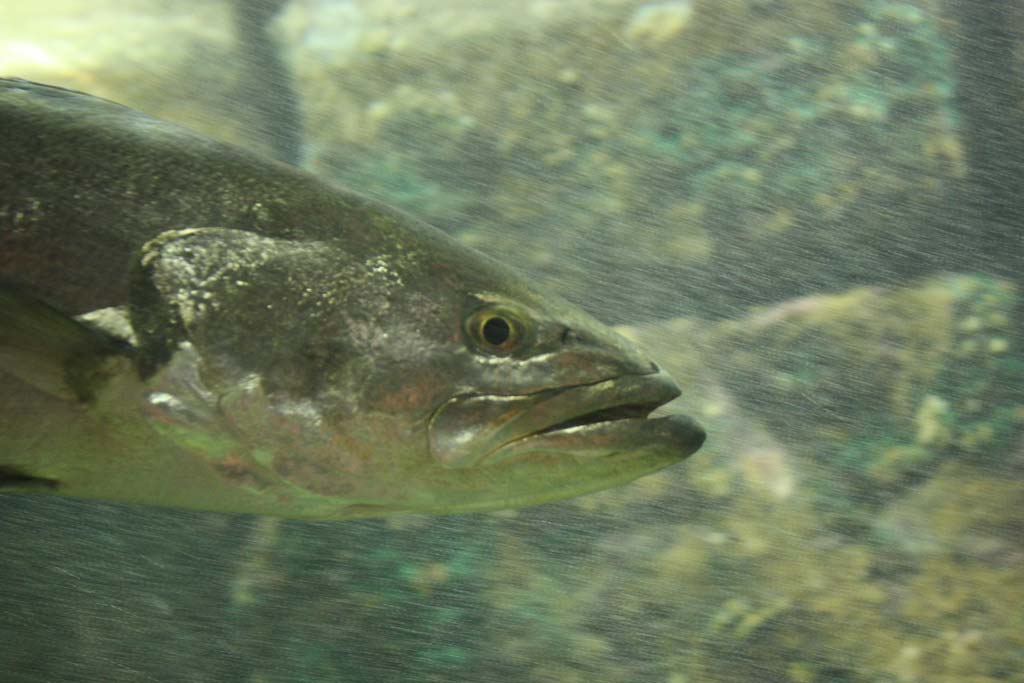
Windy, choppy days can quickly make saltwater fishing frustrating. One minute you’re lined up perfectly on an oyster reef or marsh drain, and the next the wind and tide have pushed the boat 30 feet off target. Many anglers blame rough conditions for not catching fish, but often the real issue isn’t the fish—it’s boat positioning and control.
Ironically, some of the best days on the coast happen when the wind is blowing.
Wind can actually improve fishing. It pushes shrimp, mullet and other bait against shorelines, grass lines, oyster reefs and points. It creates current where little existed before, diffuses sunlight and often makes predators feed more aggressively. Add a moving tide to the equation and you’ve created a natural feeding lane that redfish, speckled trout and other coastal gamefish instinctively recognize.
Tides aren’t the only source of productive current. A steady southeast wind can push water across an entire bay, stacking bait against a shoreline or shell reef. Even the passage of a tugboat or cargo ship through the Gulf Intracoastal Waterway or a major ship channel creates temporary current that can flush shrimp and baitfish from marsh edges, riprap and grass lines. Those feeding windows may only last a few minutes, but experienced anglers know they can be some of the most productive of the day.
The problem isn’t finding feeding fish. The problem is keeping your bait where the fish are.
That’s where the Minn Kota Riptide Terrova becomes such a valuable tool.
One of the biggest problems when fishing reefs, shell pads, bridge pilings and other offshore structure in rough conditions is drifting too quickly. Wind and tidal current push the boat across productive water before anglers have time to thoroughly fish it. Instead of carefully picking apart an area, they spend much of the day repositioning the boat.
The Drift Mode feature, part of Minn Kota’s Advanced GPS Trolling System, helps anglers maintain a controlled drift by automatically managing boat speed and direction despite changing wind and current. Rather than constantly wrestling with the trolling motor, you can concentrate on making quality presentations while keeping your lure in productive water longer. It functions much like having a GPS-controlled drift sock, allowing you to fish naturally while maintaining better boat control.
Another key to success in windy conditions is boat angle. Sometimes the difference between catching fish and never getting a bite comes down to bringing a topwater, soft plastic or jig across the structure at the right angle. Trout holding behind an oyster reef often want a bait moving naturally with the current. Redfish cruising a windblown shoreline frequently respond better to a lure presented across a current seam than one pulled unnaturally against it.
When the wind continually pushes the boat sideways, maintaining that presentation becomes difficult.
The AutoPilot feature automatically maintains your chosen heading while compensating for wind, waves and current. Whether you’re working a shoreline, following a jetty, easing along a grass edge or making repeated casts across an oyster reef, AutoPilot reduces the need for constant steering corrections. After several hours in rough conditions, that not only reduces fatigue but allows anglers to focus on reading the water instead of driving the boat.
Current itself deserves just as much attention as the structure you’re fishing.
An outgoing tide through a marsh drain acts like a conveyor belt carrying shrimp, finger mullet and small crabs into open water. Speckled trout often position where fast water meets slower water behind shell or scattered grass. Redfish commonly hold just outside the strongest flow where they can intercept an easy meal without burning unnecessary energy. Wind-generated current creates many of the same opportunities, especially along shorelines that have been receiving steady wind for hours.
One lesson separates consistently successful anglers from everyone else.
They observe before they cast.
Watch floating grass, foam lines and slicks as they drift across the surface. Notice nervous mullet, shrimp skipping across the water and diving birds working a shoreline. Those clues reveal current seams and feeding lanes that many anglers simply overlook. Nature often shows you exactly where fish are positioned if you’re willing to pay attention.
Shallow water presents another challenge.
Around docks, flooded grass, mangroves and marsh shorelines, too much trolling motor correction creates unnecessary turbulence and noise. Fish in skinny water often react more to excessive boat movement than many anglers realize. Experienced fishermen make smaller, smoother adjustments, allowing the wind and current to work with them whenever possible instead of constantly overpowering them.
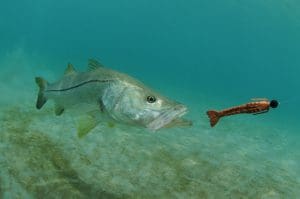
When fish are holding on a very specific target, such as an isolated shell reef, bridge piling, marsh drain or small piece of structure, Spot-Lock becomes one of the Riptide Terrova’s most valuable tools. Using GPS, it holds the boat on your selected location without deploying an anchor, allowing you to thoroughly fish productive water instead of repeatedly drifting off target. If conditions change slightly or you want to fine-tune your casting angle, Spot-Lock Jog lets you move the position in five-foot increments while maintaining that precise location.
Windy days also remind anglers that efficiency matters. Fishermen who constantly overcorrect with the trolling motor wear themselves out, spend more time controlling the boat than fishing and use battery power unnecessarily. The Riptide Terrova’s Digital Maximizer helps extend run time by delivering only the amount of power needed at your selected speed, allowing anglers to stay on the water longer while focusing on making quality presentations instead of constantly fighting the conditions.
Wind and chop will always be part of saltwater fishing, and many of the coast’s best days happen when conditions are less than perfect. The anglers who consistently catch fish in those conditions usually aren’t the ones with the biggest boat or the most expensive tackle. They’re the ones who understand how wind and current position fish—and who have the boat positioning and control to stay where the action is.
The Minn Kota Riptide Terrova won’t read the water for you. You still have to recognize current seams, understand the tide and know where bait and predators are likely to meet. What it does provide is the boat control to put that knowledge to work. When wind, tide and current all come together, staying in position often makes the difference between a good day on the water and one you’ll remember for years.
Chester Moore