
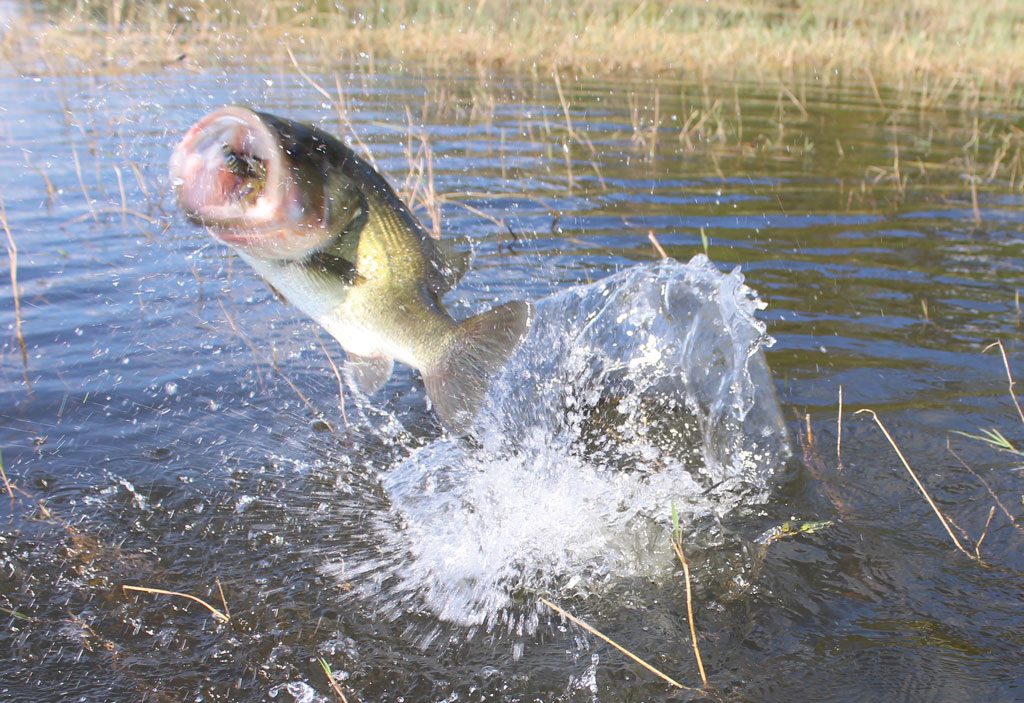
The first clue wasn’t a fish breaking the surface.
It was a nervous patch of water just off a main-lake point on Lake Conroe. Thousands of threadfin shad flickered beneath the surface, moving as one giant silver cloud. Suddenly the water erupted as largemouth bass blasted through the bait. For a few seconds, the lake looked like it was boiling before the fish disappeared as quickly as they appeared. It was a scene that played out during one of my first fishing trips to Lake Conroe and opened my eyes to just how important schooling activity can be on this legendary East Texas reservoir.
Many anglers would have kept running.
That’s one of the biggest mistakes fishermen make during summer. While plenty of anglers focus on boat docks and shoreline cover, some of the best action of the year happens offshore where predator fish gang up on schools of baitfish.
Lake Conroe’s reputation is built largely on its outstanding largemouth bass fishery, but anglers willing to fish offshore can also enjoy excellent crappie action around brushpiles and opportunities for hard-fighting hybrid striped bass. The common denominator is finding bait and understanding how fish position around structure during the hottest months of the year.
Schooling Bass: Follow the Shad
Summer bass fishing is all about groceries.
When threadfin shad gather around points, humps, creek channels and submerged roadbeds, largemouth bass are never far away. TPWD surveys consistently rank Lake Conroe among Texas’ premier largemouth bass fisheries, and much of that success comes from the lake’s abundant forage base.
Finding schooling bass starts with observation. Watch for diving gulls and terns. Look for nervous water and isolated shad flickering across the surface. Electronics help locate bait schools, but your eyes can often tell you everything you need to know.
When bass erupt on the surface, don’t charge directly into the action. Ease into casting range and make long casts with walking topwaters, lipless crankbaits or soft-plastic swimbaits. Schooling fish can be surprisingly boat shy, especially during calm conditions.
One overlooked tactic is continuing to fish after the visible action ends. The biggest bass often hold beneath the school, picking off injured baitfish drifting downward. Flutter spoons, swimbaits and deep-diving crankbaits can produce quality fish long after the surface activity subsides.
The best schooling areas frequently occur around offshore structure that concentrates bait. Main-lake points, underwater humps and channel intersections can all become feeding stations during summer. Don’t overlook windblown structure either. Wind often pushes plankton and baitfish into concentrated areas, creating feeding opportunities that bass quickly exploit.
Early morning is generally prime time for schooling activity, but cloudy conditions can extend the bite well into the day. Stay alert because schools can appear without warning and disappear just as quickly.
Brushpile Crappie
For anglers looking to put fish in the freezer, brushpile crappie can provide some of the most dependable summer action available.
Following the spring spawn, crappie settle into predictable patterns around submerged brush, timber and artificial attractors. On Lake Conroe, productive brushpiles are often found in 12 to 25 feet of water near creek channels and deeper flats.
Modern sonar technology has transformed crappie fishing, allowing anglers to locate individual brushpiles and determine exactly how fish are positioned within the cover. Once fish are found, vertical presentations are often the most effective approach.
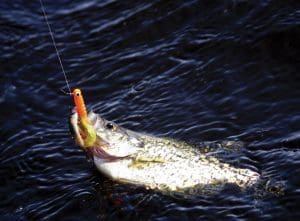
Small tube jigs, hand-tied crappie jigs and live minnows all produce. The key is maintaining precise depth control. Crappie feed upward, so positioning a bait slightly above the fish often results in more strikes than fishing directly through the cover.
Patience pays. Work every side of a brushpile and experiment with depth until you locate the most active fish. Often the entire school will be concentrated on one side of the structure depending on current, wind direction or available shade.
One advantage of summer crappie fishing is consistency. Unlike schooling bass or hybrids that may roam extensively, crappie often remain associated with the same brushpile for extended periods. Once you locate productive structure, it can continue producing fish throughout much of the season.
Open-Water Hybrid Stripers
If largemouth bass are Conroe’s headline attraction, hybrid striped bass are its wild card.
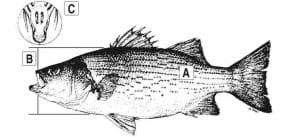
Introduced in the mid-1990s, hybrids have become one of the lake’s most exciting open-water species. These powerful fish roam the reservoir chasing schools of threadfin shad and often provide some of the most explosive action available in freshwater.
Winter and early spring remain the prime seasons for targeting Lake Conroe hybrids. During cooler months, fish often stack on channel ledges, humps and ridges where anglers can consistently locate them with electronics. That’s when many of the lake’s biggest hybrids are caught.
But summer anglers shouldn’t overlook them.
Although less predictable than during cooler seasons, hybrid stripers continue feeding aggressively throughout summer and will often push baitfish to the surface during low-light periods. Early mornings, overcast days and windy conditions can trigger spectacular feeding frenzies.
Birds are often the giveaway. Gulls hovering and diving over open water frequently reveal schools of feeding hybrids before anglers ever see the fish themselves.
When schools appear, speed matters. Topwaters, swimbaits, slab spoons and tailspinners can all be effective. Live shad remains one of the most productive offerings, but artificial lures allow anglers to quickly cover water and stay with moving fish.
Many successful hybrid anglers spend as much time looking as they do fishing. The fish are constantly moving, and mobility is often the difference between success and frustration. Keep binoculars handy and don’t become anchored to one location.
Like schooling bass, hybrid stripers are tied directly to bait. Find the shad and you’re likely to find the fish.
The Offshore Advantage
Summer fishing often gets a bad reputation, but anglers who embrace an offshore mindset know better.
Bass gang up on schools of shad over submerged structure. Crappie stack around deep brushpiles. Hybrid stripers roam open water looking for their next meal.
The fish are there. The bait is there.
The challenge is learning to connect the dots.
And when the surface suddenly erupts with feeding fish on a calm Texas summer morning, you’ll understand why some of the hottest days of the year can also produce some of the hottest fishing action.
Chester Moore