
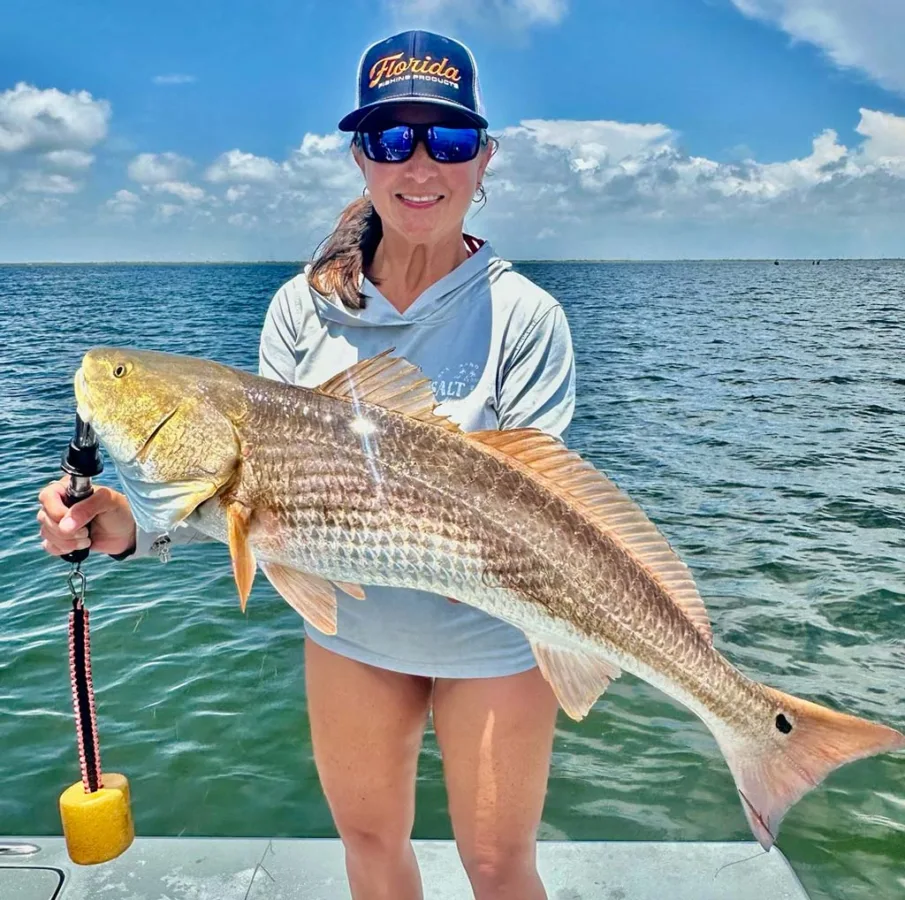
The Upper Laguna Madre is one of those places that never quite leaves you.
Long after you’ve rinsed the salt off your gear and unpacked the truck, you still find yourself thinking about a slick forming over a grass flat, a nervous school of mullet showering across the surface, or the bronze flash of a redfish pushing a wake through knee-deep water.
Stretching south from Corpus Christi toward Baffin Bay, the Upper Laguna Madre is unlike almost any other bay system on the Texas coast. It is shallow, incredibly rich in seagrass and influenced by wind as much as tides. In many areas, a change in wind direction can dramatically alter water levels and fish movement in a matter of hours.
For anglers, that creates opportunity.
Speckled Trout Country
If there is one fish that has made the Upper Laguna famous, it is the speckled trout.
Healthy seagrass meadows dominate much of the bay, providing ideal habitat for shrimp, pinfish, mullet and countless other forage species. Those grass beds become the foundation of the trout fishery. Large trout often patrol the edges of potholes, sand pockets and slightly deeper troughs where they can ambush prey with explosive speed. TPWD considers spotted seatrout one of the defining gamefish of the Upper Laguna Madre, and the bay has long ranked among Texas’ premier trout destinations.
During warmer months, first light is often the best window of the day. Topwaters can produce unforgettable strikes before the sun climbs high, while soft plastics rigged on light jigheads continue producing as fish settle along grass edges. As the day heats up, many anglers transition to deeper guts or areas with moving water.
The bay has also benefited from conservation-minded anglers and tighter trout regulations implemented after the devastating 2021 freeze. Those efforts have helped rebuild quality trout populations while reinforcing the importance of protecting this remarkable fishery.
Redfish Everywhere
While trout may grab the headlines, redfish provide the action.
The Upper Laguna Madre is filled with shallow grass flats where reds spend much of their lives rooting for shrimp, blue crabs and baitfish. Calm mornings often reveal their presence before a cast is ever made. Look for wakes, nervous bait or the distinctive copper backs and tails that occasionally break the surface.
Wind-blown shorelines can be especially productive because they concentrate baitfish. Shoreline grass mixed with scattered sand pockets frequently holds both slot-sized fish and oversized reds.
Artificial lures such as paddle-tail soft plastics, gold spoons and topwaters all have their place, but perhaps the biggest key is stealth. In water barely deep enough to cover their backs, redfish can detect careless movement long before an angler sees them.
Programs like Yamaha’s Rightwaters campaign are helping to keep our waterways healthy in many ways ranging from water quality to invasive species control. To learn more click here.
Reading the Bay
Success on the Upper Laguna isn’t about running from spot to spot.
It’s about learning to read the bay.
A shoreline that looked lifeless yesterday can suddenly come alive when southeast winds push bait against it. Water clarity, drifting grass, bait activity and bird behavior often reveal more than electronics ever will.
That’s part of what makes this system so addictive.
Every trip becomes a lesson.
Every changing wind presents a new puzzle.
And every sunrise offers the possibility that the next cast could connect with the trout of a lifetime or a tailing redfish cruising across emerald grass flats.
The Upper Laguna Madre has earned its reputation one fish at a time. For anglers willing to slow down, pay attention and fish the conditions instead of the calendar, it remains one of the finest speckled trout and redfish destinations anywhere on the Texas coast.
TF&G Staff