
The recent flash flooding across the Texas Hill Country serves as another reminder that moving water remains one of the greatest dangers outdoors. In just the past two summers, catastrophic flooding has transformed familiar rivers into deadly torrents, prompting hundreds of rescues and reinforcing why every hunter, angler, camper and hiker should understand the risks before heading afield. Texas Game Wardens have again been heavily involved in flood rescues during this month’s severe weather, underscoring how quickly conditions can become life-threatening.
Most outdoorsmen spend considerable time preparing for wildlife encounters, firearm safety and changing weather. Far fewer take the time to understand how watersheds work or why a river can become dangerous even when the sky overhead appears relatively calm.
Listen to the full interview on Dark Outdoors
Apple Podcasts:
https://podcasts.apple.com/nz/podcast/dr-tracy-fanara-on-tx-flash-floods-could-it-happen/id1630809603?i=1000777587005
Spotify:
https://open.spotify.com/episode/0DstL3xNxgoqtIDgF8t0J7?si=Yj7iBAq6Q02YHRE6aLElwQ
All Podcast Platforms (Apple, Spotify, iHeart, Audible & More):
https://linktr.ee/darkoutdoorspodcast
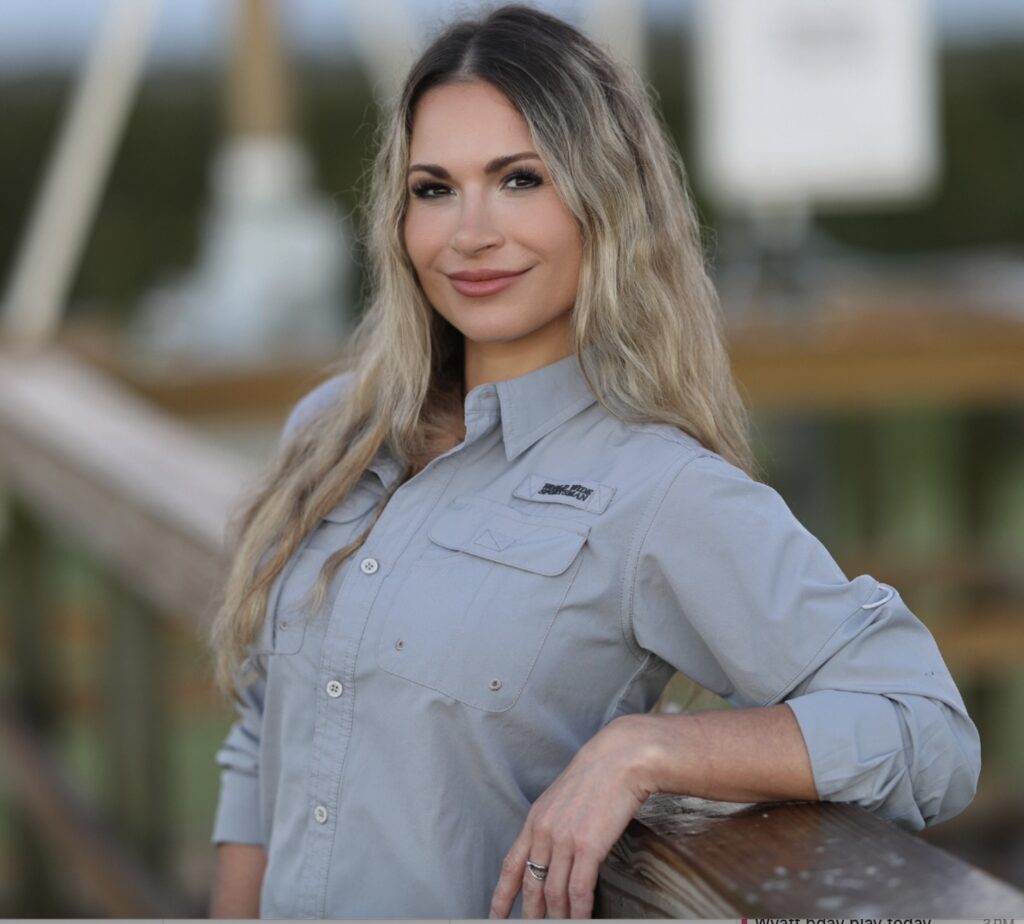
To gain a better understanding of these events, I recently sat down with environmental engineer, meteorologist and Inspector Planet science communicator Dr. Tracy Fanara for an episode of my award-winning Dark Outdoors podcast.
One of the biggest misconceptions, she explained, is that flash flooding simply means “a lot of rain.”
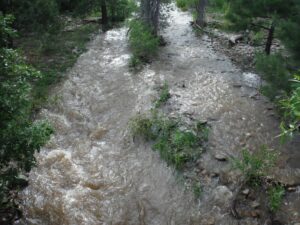
Instead, it’s about rainfall intensity in a short period of time and how rapidly that water moves through the landscape. In the Texas Hill Country, steep terrain and shallow limestone soils prevent much of the rainfall from soaking into the ground. Instead, water rushes downhill into creeks and rivers, where levels can rise with astonishing speed.
One statistic from the 2025 Guadalupe River disaster still stands out.
“The Guadalupe River rose like twenty-six feet in forty-five minutes,” Fanara told me. “That’s absurd.”
Even for someone who studies extreme weather professionally, the speed of that rise was extraordinary.
She also pointed out that this year’s flooding differed from the 2025 catastrophe. Last year’s rainfall was concentrated within a single watershed, producing an explosive rise on the Guadalupe. This year’s storms spread heavy rainfall across multiple watersheds, creating widespread flooding over a much larger region.
For outdoorsmen, one lesson rises above all the others: don’t judge flood danger solely by what you see around you.
Rain falling miles upstream may already be racing toward your campsite, fishing hole or hunting lease. As the Texas Parks and Wildlife Department reminds hunters, flash floods can strike with little warning, and distant rainfall can turn a quiet stream into a deadly torrent even when skies overhead remain clear.
During our conversation, Fanara emphasized the importance of understanding where you are within a watershed, paying attention to flood alerts and carrying multiple ways to receive weather warnings—including NOAA Weather Radio when cell service is unreliable.
If you spend time outdoors, this is information that could save your life.
To hear my complete conversation with Dr. Tracy Fanara—including an in-depth discussion of the recent Texas floods, watersheds, outdoor preparedness and practical safety advice—listen to the latest episode of Dark Outdoors on Apple Podcasts, Spotify or wherever you get your podcasts.
Stay safe, stay informed, and remember: the most dangerous predator in the outdoors isn’t always one with teeth.