
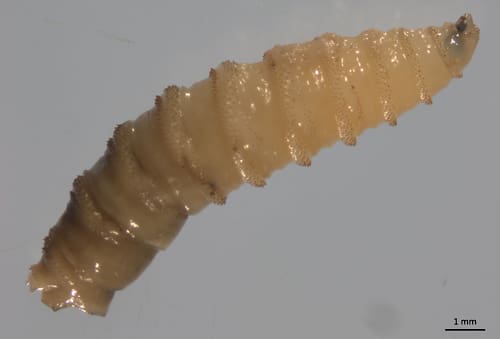
The New World screwworm situation in Texas continues to evolve, with USDA’s latest update showing additional animal infestations and an expanding surveillance effort as state and federal officials work to contain the destructive parasite.
As of July 12, USDA has confirmed 35 domestic animal infestations, including 19 active cases and 16 inactive cases. The agency has also documented a confirmed New World screwworm fly in a surveillance trap in Brewster County, an important development because it indicates the insect has expanded farther west into the Trans-Pecos. While the Brewster County detection was not an infested animal, it demonstrates that the fly itself is now present in an area well beyond the initial cluster of livestock cases.
Check out this interview on screwworm with renown whitetail biologist Larry Weishuhn
That westward movement has implications for both agriculture and wildlife.
The Trans-Pecos is home to iconic species including desert bighorn sheep, mule deer, elk, and numerous predators and other native mammals. It also supports extensive cattle, sheep, goat, and horse operations. Because New World screwworm larvae develop in living tissue, virtually any warm-blooded animal with an open wound can become vulnerable to infestation.
Unlike common maggots that feed on dead tissue, New World screwworm larvae consume living flesh. Females lay eggs in fresh wounds, and the developing larvae can cause severe tissue damage if animals are not treated quickly. Newborn livestock, animals recovering from injuries, and wildlife wounded during fights or predator encounters can all be susceptible.
Although all confirmed U.S. infestations remain in domestic animals, wildlife managers are watching the situation closely. Remote landscapes make it difficult to detect and treat infestations in free-ranging animals, raising concerns about species that inhabit the rugged mountains and desert canyons of West Texas.
Learn about the Florida outbreak from 10 years ago and how scientists beat it.
USDA, the Texas Animal Health Commission, and numerous partners continue an aggressive response that includes quarantines, livestock movement restrictions, expanded surveillance, and the release of sterile male screwworm flies, the proven strategy that eradicated the parasite from the United States decades ago.
For ranchers, landowners, hunters, and outdoor enthusiasts, vigilance remains critical. Animals with wounds that fail to heal, foul-smelling lesions, or visible larvae should be reported immediately so treatment can begin and additional spread can be prevented.
While the number of confirmed infestations remains relatively limited, the latest detections show that New World screwworm remains a dynamic and expanding issue. The appearance of a confirmed fly in Brewster County serves as another reminder that surveillance and rapid response will be essential to protecting Texas livestock, wildlife, and the state’s conservation successes in the months ahead.