
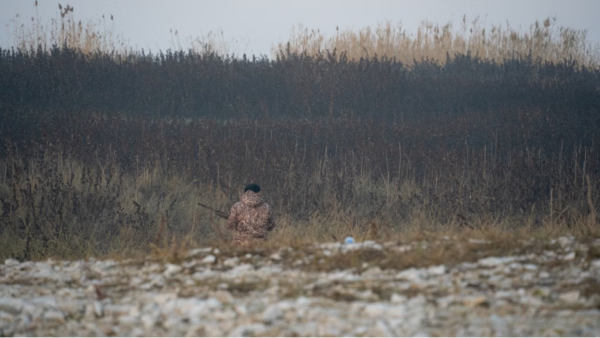
Responsible tracking is the part of hunting nobody wants to talk about.
Every hunter hopes to take a clean, quick shot. Unfortunately, even the most skilled hunter eventually follows a blood trail. What you do after that shot counts just as much. Do it right and:
- Recovering more animals
- Wasting less meat
- Honouring the game you hunt
Here is how to track wounded game the right way…
What’s Covered In This Guide:
- Why Responsible Tracking Matters
- Gear Up Before You Even Take The Shot
- Read The Reaction (And Wait!)
- Follow The Blood Trail Like A Pro
- When To Call In A Tracking Dog
Why Responsible Tracking Matters
Hunting is a massive industry in the United States. The U.S. Fish & Wildlife Service says there were 14.4 million hunters ages 16+ nationwide in 2022. That’s millions of people tromping through the woods every year – and millions of opportunities for things to…go sideways.
Here’s the reality:
Not every shot finishes as you want it to. Maybe a bullet’s diverted by a branch. Maybe the animal kicks hard as you squeeze. Maybe the wind just shifts. Research focused solely on bowhunting shows wounding rates from 3% to 58% depending on locale and researcher.
That is a huge range. But it tells you one thing clearly…
Game with bullet wounds is common when hunting. This means that ethical tracking is not optional — it’s part of the job description. Every hunter owes that animal everything they can do to recover it.
Gear Up Before You Even Take The Shot
Here’s something a lot of new hunters miss:
Good tracking starts well before you squeeze the trigger. The equipment you pack — and the ammo you chamber — plays a huge role in how quickly you’ll recover.
Let’s start with ammo.
Brass cased ammo is what the majority of serious hunters reach for. It cleans easier, cycles more reliably and provides more consistent velocity round for round. That reliability is important when you need it most. A failure to fire or a squib load in the middle of the field is the last thing you want when that perfect opportunity presents itself.
If you’re a handgun hunter or someone that carries a sidearm as a backup weapon, you can find 9mm ammo for sale here that is available in solid brass cased ammo. Having a dependable source of brass cased ammo is one less thing to worry about when the time comes in the field.
Other gear you should have on you:
- A bright flashlight or headlamp (blood shows up like it is electrified)
- Flagging tape or biodegradable markers
- A sharp knife
- Your phone with a hunting map app loaded
- Latex gloves for handling sign
None of these things cost much money. Each and every bit of it will prove worthwhile when you’re tracking game in thick brush at twilight.
Read The Reaction (And Wait!)
The single biggest mistake hunters make?
Jumping out of your stand before the shot. Don’t jump. Pause to breathe. Observe. Listen. Pick out a landmark where you last saw your animal. Pick something specific like a tree or a unique-looking rock you can relocate on foot.
Here’s what different reactions can tell you:
- Mule kick (jumps and kicks hind legs): Typically a good heart or lung shot
- Hunched back, low run: Probably gut hit / liver hit — give him more time
- Drops on the spot: Spine or CNS shot
- Runs off unchanged: Could be a clean miss or a superficial wound
Now for the hardest part… Wait. Seriously.
Depending on where you hit your shot may take 30 minutes or 4 hours or even overnight. Hurrying game is #1 reason hunters lose animal. That second burst of adrenaline carries the deer farther, blood clots the wound and the blood trail goes cold quickly.
Sit down. Have a snack. Text your hunting buddy. Just wait.
Follow The Blood Trail Like A Pro
Once you have given it enough time, it is time to start the search.
Walk back to your landmark. Find where the animal was standing when it was hit. Locate hair, blood, tissue — anything that can help you determine the shot.
Blood colour tells a story:
- Bright pink and frothy: Lung shot — animal is close
- Deep red: Heart or muscle
- Dark red with pieces of matter: Liver or gut shot — retreat and wait longer
- Brown or greenish: Stomach — wait several hours minimum
Flag blood spots along the way. Flagging tape or biodegradable toilet tissue every few minutes. It allows you to see your track pattern and anticipate where it is going next.
Walk beside the trail. Never walk on it. Scraping a sign is a newbie error that will lose you the animal.
Keep scanning. Blood can show up high in the grass, on low branches, on tree trunks — it doesn’t just land on the ground. Bleeding animals run into everything while moving through the cover.
When To Call In A Tracking Dog
Sometimes the trail just… dies.
You’ve searched everywhere. You’ve run grid searches. And yet the animal is still nowhere to be found. Now is when a tracking dog becomes worth its weight in gold.
Trained blood trackers can:
- Follow scent when there is no visible blood
- Pick out the wounded animal’s specific scent from others
- Work terrain you would never think to search
- Recover animals hours (or even days) after the shot
Tracking groups such as United Blood Trackers have handlers nationwide that can assist you. Many will trail for free, or for a nominal donation. Make sure to check your local laws — some states require the dog be on-leash and others have firearm restrictions during a tracking recovery.
There is no shame in asking for assistance. That is one of the most responsible things you can do as a hunter when you come up empty.
Final Thoughts
Tracking wounded game isn’t about playing superhero in the woods. It’s about respect for the animal, respect for the meat, and respect for the tradition.
To quickly recap what to do:
- Prep your gear (and your ammo) before you head out
- Take the shot only when you are confident
- Watch the reaction and note a solid landmark
- Wait longer than you think you need to
- Read the sign carefully as you track
- Call for a tracking dog if the trail runs out
Every critter deserves your best effort. That is what makes good hunters great — and keeps the heritage alive for future generations.