
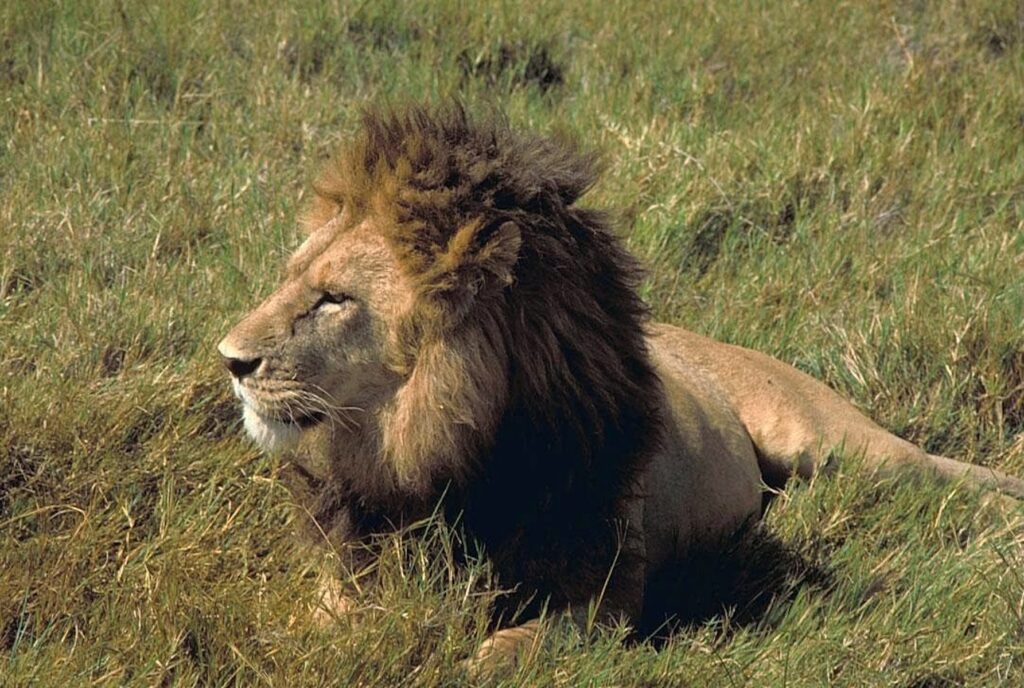
A man walked outside his Texas home and discovered a huge cat inside his chicken coop. It wasn’t a bobcat, and it didn’t look like a mountain lion. The animal he described looked like an African lion.
That encounter is at the center of a new episode of Dark Outdoors®, examining one of the strangest categories of wildlife reports I have investigated over the years: big cats that don’t seem to belong where people are seeing them.
LISTEN TO THE DARK OUTDOORS® EPISODE
Apple Podcasts:
https://podcasts.apple.com/us/podcast/he-found-a-lion-in-his-chicken-coop-in-texas/id1630809603?i=1000788610512
Spotify:
https://open.spotify.com/episode/3QaAVZ7vnU4cvByWbY8CJg?si=Xw1X5E8NR5KmIzzt8pHNGQ
A Lion Where No Lion Should Be
For decades, I have investigated reports of unusual cats in Texas and across the South. Mountain lions are responsible for some of them. Bobcats, especially when seen briefly or under unusual conditions, can account for others. Misidentification is a legitimate part of investigating any unusual wildlife report, and it should always be considered before looking for a more exotic explanation.
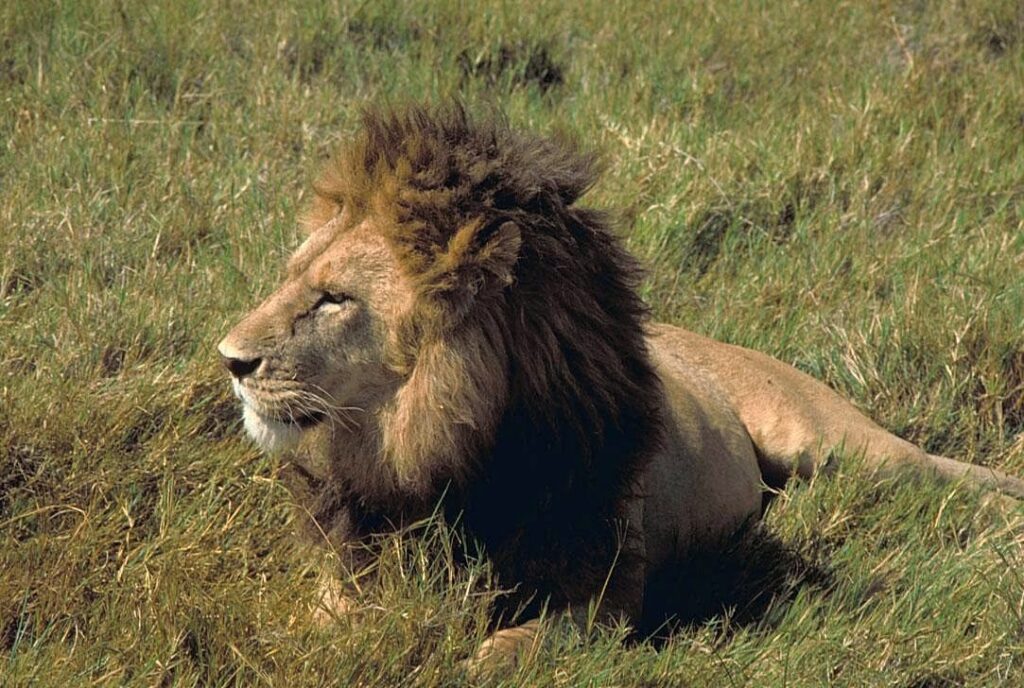
But occasionally a report comes along that doesn’t fit comfortably into those categories. The chicken-coop encounter is one of them. The witness described an animal that appeared to be an African lion. That’s an extraordinary claim, and without photographs, DNA or other physical evidence, there is no way to prove exactly what stood inside that coop.
The possibility of an exotic cat appearing in Texas, however, isn’t as impossible as it might initially sound. Texas has a long history of privately held exotic wildlife. Animals escape, and historically some have been deliberately released. In some cases, an exotic animal could potentially survive unnoticed for a period of time, particularly in remote country with abundant cover and prey.
That doesn’t mean every report of an unusual cat is an escaped exotic. It simply means the possibility shouldn’t automatically be dismissed when examining a credible report.
Could Exotic Cats Be Roaming Texas?
Texas is enormous, with millions of acres of forests, swamps, brush country, ranchland and river bottoms where an animal can remain surprisingly difficult to detect. Mountain lions themselves demonstrate how effectively a large predator can move primarily at night, avoid people and cover tremendous distances without being seen by most of the people living around it.
Now consider an escaped exotic cat behaving in much the same way. Could a lion, leopard or another large captive cat survive for some period of time in the wild? Under the right circumstances, it’s certainly possible. The much harder question is whether that possibility explains any particular sighting.
That’s where evidence matters. A witness report can begin an investigation, but tracks, photographs, video, hair, scat or DNA can move a case into an entirely different category.
But unfortunately A.I. has changed this to a large extent because it’s very difficult to believe any photo or video evidence.