
Some wildlife crimes are difficult to comprehend.
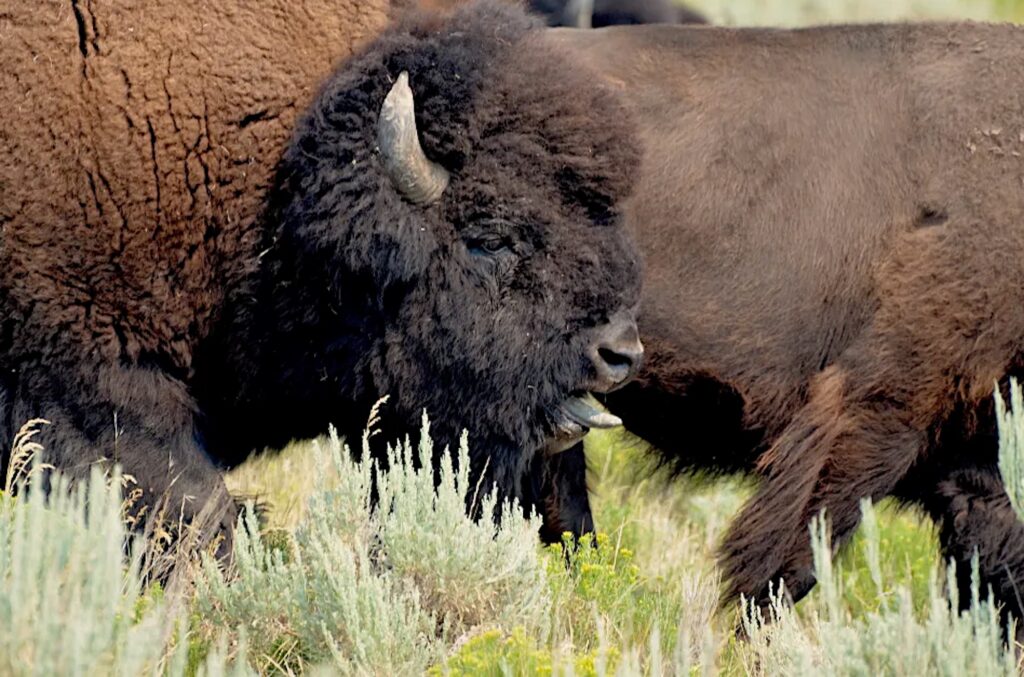
Years ago, I traveled to a location where someone had illegally killed a buffalo, cut its head off with a chainsaw and left the rest of the animal behind. I had heard about plenty of poaching cases by that point, but there was something particularly disturbing about this one. Standing there and seeing what had been done was a reminder that there is a side of the outdoors most people never encounter.
Listen to this episode of Dark Outdoors:
Apple Podcasts: https://podcasts.apple.com/us/podcast/he-beheaded-the-buffalo-with-a-chainsaw/id1630809603?i=1000788246698
Spotify: https://open.spotify.com/episode/4SG6LVStcRBMSyRKn54uMQ?si=_8NdRBuoSdO_Hv1MxRpIyg
Poaching is sometimes portrayed almost casually in popular culture. Someone shoots a deer out of season or keeps a few fish over the limit, and the offense is treated like a minor violation committed by someone who simply doesn’t like rules.
There is nothing casual about the worst wildlife crimes.
Over the years, I have reported on and encountered cases that ranged from senseless killing to organized trafficking. Some involved animals killed simply so someone could possess a set of antlers, horns or a hide. Others involved criminals willing to take tremendous risks for money.
And sometimes the people tasked with stopping them become targets themselves.
One of the most disturbing cases I discuss in the latest episode of Dark Outdoors involved shots fired into a game warden’s home on Christmas Eve. Think about what that means. Wildlife officers aren’t simply checking licenses and measuring fish. Depending on where they work and whom they encounter, they can be dealing with armed individuals who have already demonstrated a willingness to break the law.
That is an aspect of wildlife law enforcement that deserves far more attention.
Game wardens and conservation officers frequently work alone in remote places. A traffic stop may have another officer nearby within minutes. A wildlife officer might be miles down a dirt road, on a river or deep in the backcountry when an encounter suddenly becomes dangerous.
Then there is another level of wildlife crime entirely: the international black market.
Illegal wildlife trafficking is a massive global issue, and some of the things that have turned up in investigations are almost beyond belief. One case that has stayed with me involved U.S. Fish and Wildlife Service officials discovering a coat smuggled into the United States that had been made using the skins of five jaguars.
Five jaguars for one coat.
For someone like me who has spent much of his career writing about wildlife and conservation, there is something especially sickening about reducing animals like these to decorations, status symbols or commodities.
The buffalo I saw years ago was not taken for food. The person responsible wanted the head. Whatever value that animal had as a living creature ended, in that person’s mind, with the trophy they could carry away.
That scene has never completely left me.
There is an important distinction here for those of us who hunt and fish. Ethical hunting is rooted in wildlife management, conservation, respect for the resource and utilization of the animal. Poaching isn’t hunting. Killing wildlife illegally for profit, ego or a trophy has nothing to do with the principles generations of sportsmen have worked to preserve.
That is why these crimes matter to hunters as much as they matter to anyone else who cares about wildlife.
In this episode of Dark Outdoors, I dig deeper into the buffalo case, the attack on the game warden’s home and some of the bizarre wildlife trafficking cases I have encountered and investigated over the years.
They aren’t hunting stories.
They’re stories about greed, cruelty, wildlife crime and the men and women who sometimes put themselves in danger trying to stop it.
Because the outdoors has a dark side.
Chester Moore