
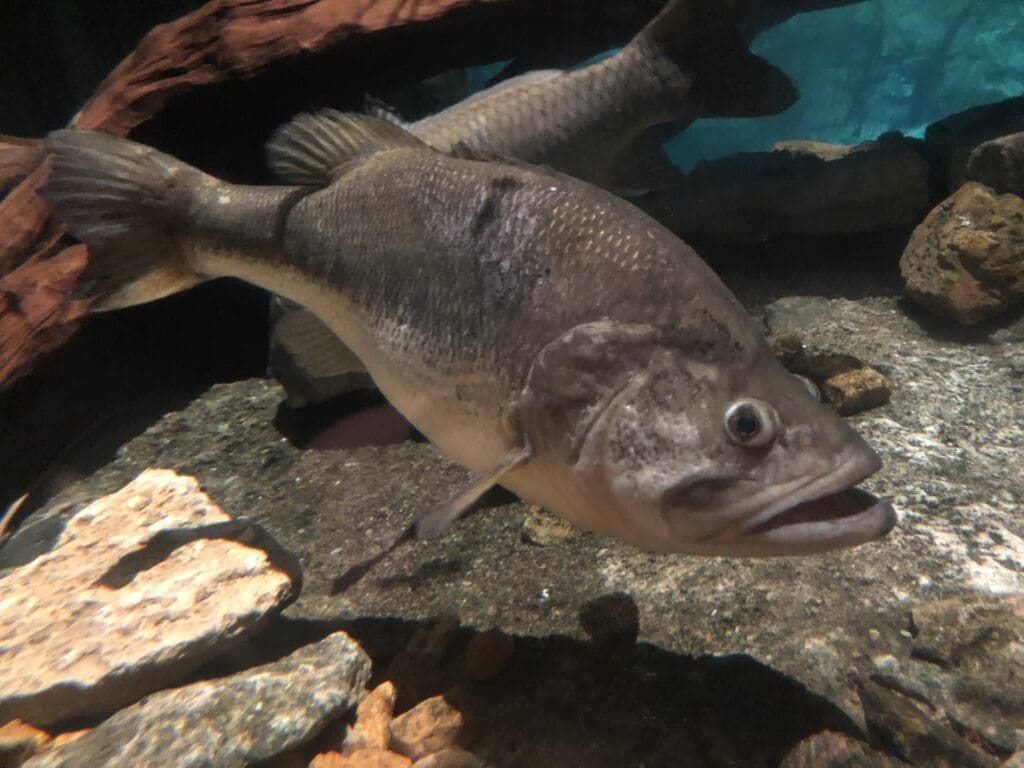
Fall doesn’t arrive on Lake Conroe with one big cold front and suddenly turn everything into an autumn fishing pattern.
It comes in stages.
September can still feel like the middle of summer in Southeast Texas, and even October can produce some seriously warm days. Still beneath the surface, shortening days and gradually cooling water start changing shad movement. And when the forage moves, largemouth bass and crappie eventually follow.
That makes the fall transition one of the most interesting times of the year to fish Lake Conroe.
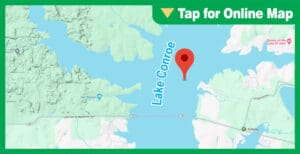
The 20,000-acre reservoir on the West Fork of the San Jacinto River offers anglers a diverse mixture of habitat. The Texas Parks and Wildlife Department (TPWD) rates aquatic vegetation density on Conroe as low, so much of the fishing revolves around the lake’s abundant structural features.
To learn more about fishing at Lake Conroe click here.
Docks, bulkheads, standing timber, creek channels, points and brush piles all come into play, giving anglers plenty of options as fish move between summer and fall patterns.
And during the fall transition, those features can help concentrate fish.
Crappie Follow the Food
Lake Conroe has a strong crappie fishery, and fall is a prime time to take advantage of it.
During the hottest part of the year, crappie often relate strongly to deeper brush piles and other offshore structure. When the first significant cooling trends arrive, the fish don’t necessarily abandon those areas overnight. Instead, think of the transition as a gradual shift toward new feeding opportunities.
And that movement revolves heavily around shad.
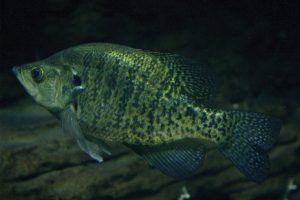
A good starting point is brush positioned near creek channels or other routes between deep and shallow water. A pile sitting close to a drop gives crappie the ability to change depth without traveling very far.
Modern electronics have completely changed this style of fishing. Instead of unthinkingly dropping a jig into every piece of brush, anglers can determine whether a pile is holding fish and often see where those fish are positioned in relation to the cover.
Depth matters.
If crappie are suspended above a brush pile, putting a bait underneath them usually isn’t the best approach. Crappie naturally feed upward, so keeping a jig or minnow just above the fish can make a huge difference.
As fall progresses, don’t be afraid to check shallower brush.
One of the biggest mistakes an angler can make is returning to the same depth that produced during summer. A brush pile that was loaded with crappie in August may slow down while another pile several feet shallower suddenly becomes the hot spot.
TPWD specifically lists fall as a good period for crappie fishing on Conroe.
Anglers should also remember that not every crappie in the lake makes the same move at the same time. On a big reservoir, fish can be scattered through several stages of the transition. That makes it worth checking multiple depths before abandoning an area.
Once you find a productive depth, look for similar brush and structure nearby. Finding one loaded pile can sometimes provide the clue that unlocks an entire section of the lake.
Bass on the Move
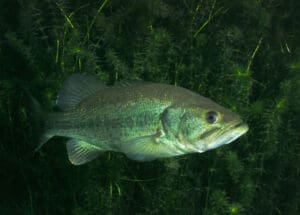
Largemouth bass make a comparable transition, but Lake Conroe gives bass anglers a different set of clues.
Shad are again the key.
When schools of bait begin moving toward creeks, coves and other shallow areas, bass that spent much of summer around deeper structure have a reason to follow.
TPWD notes that mid- to late fall can bring increased shallow-water bass action on Conroe, particularly around marinas and boat docks.
Docks are a major part of the equation.
They provide shade, vertical structure, and ambush cover, and a dock near a creek channel, point, or drop can be especially productive because bass have quick access to a variety of depths.
Early in the fall transition, anglers should be prepared to cover water.
Spinnerbaits, shallow-running crankbaits and swimbaits allow fishermen to imitate shad and quickly determine whether active bass are present. If fish are holding tighter to cover, a Texas-rigged soft plastic or jig can pick apart individual docks and other targets.
Bulkheads deserve attention, too.
They create a defined edge that can concentrate baitfish. When shad get pushed against a bulkhead, bass can use it as an effective feeding zone. Add wind pushing bait toward the shoreline, and an ordinary-looking stretch can suddenly become productive.
Points leading into coves and creeks are another natural place to intercept moving fish. Rather than immediately running all the way into the back of a creek, work your way inward and let the fish tell you how far the fall movement has progressed.
A point with nearby deep water can hold bass moving in either direction, making it a good place to begin after a significant weather change.
Two Sides of Conroe
One of the most interesting aspects of Lake Conroe is how much the reservoir’s character changes as anglers move from one end to the other.
The lower lake offers plenty of open-water opportunities along with docks, bulkheads, points and other structure.
Head north, and the scenery and fishing opportunities change.
The upper reaches contain considerably more standing timber associated with the old river channel. Here, bass anglers can work timber edges, channel bends and nearby flats as fish respond to moving forage.
Crappie fishermen can apply essentially the same principle. Brush and timber close to a creek or river channel give fish the cover and quick access to different depths that can be especially valuable during changing fall conditions.
That variety means there isn’t just one Lake Conroe fall pattern.
Several can happen at once.
Find the Bait, Find the Fish
The biggest mistake during the fall transition is fishing memories instead of fishing what is happening that day.
September heat can keep fish in late-summer patterns. A strong front can change things quickly. Several cool nights can move bait shallower, while a stretch of warm weather can slow the progression.
Wind can be another important clue. A breeze pushing across a point, into a cove, or against a bulkhead can move plankton and baitfish and create a feeding opportunity. Sometimes the best-looking water isn’t the calmest water.
Watch your electronics. Look for balls of shad. Watch for surface activity and birds working over bait. Check different depths instead of assuming the fish are exactly where you caught them last week.
Lake Conroe’s combination of brush piles, docks, bulkheads, creek channels, standing timber and other fish-holding structure gives bass and crappie anglers a wide range of opportunities throughout the fall transition.
And that is part of what makes fall fishing here so much fun. An angler can spend the morning working brush for crappie and then change gears to chase bass around docks, timber or schools of shad.
When fall starts taking hold on Conroe, don’t spend too much time worrying about what the calendar says.
Find the shad.
The bass and crappie will tell you when fall has arrived.
To learn more about fishing at Lake Conroe click here.
Chester Moore