
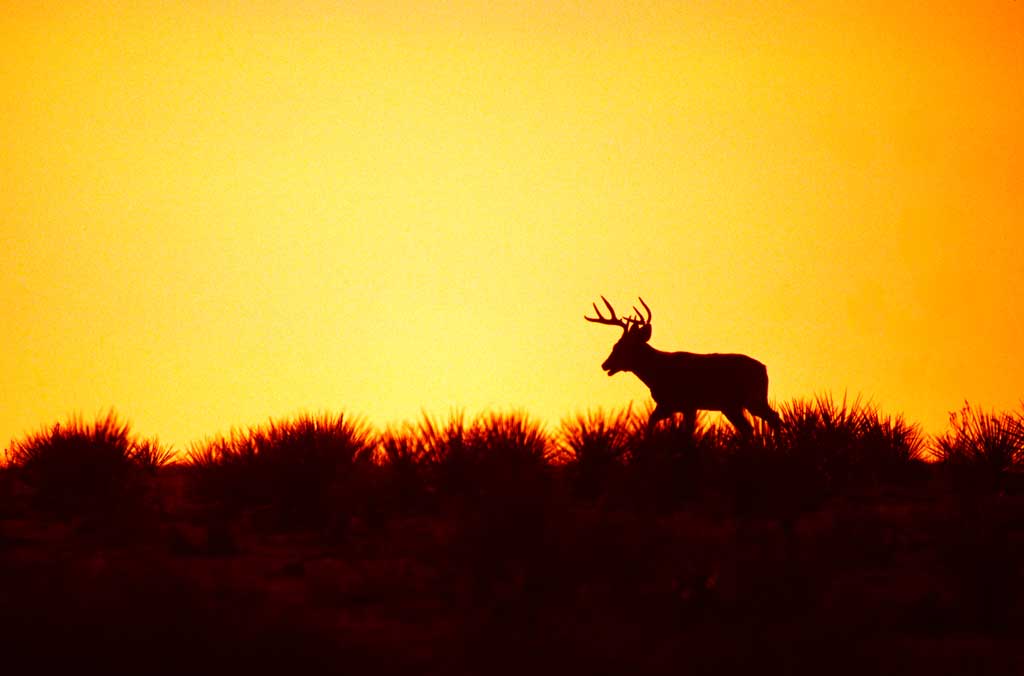
THE GENERAL DEER SEASON opens on the first Saturday in November, and every year a lot of hunters book the same way. A friend mentions a ranch, the website has a photo of a big buck, the dates work, and a deposit goes out. Sometimes that turns into the hunt of a lifetime. More often it turns into a trip that was fine but never quite matched what the hunter wanted, because the real decisions were never made. They were assumed.
A Texas deer hunt involves more choices than most hunters realize. Texas has more whitetails than any other state, spread over brush country, river bottoms, the Hill Country and the rolling plains north of Abilene, and almost all of that ground is private. That means the ranch you pick decides the deer you see, the way you hunt them, what it costs and who can come with you. Get those choices right and the rifle, the load and the stand almost take care of themselves.
Here are the six decisions worth making on purpose before you send a deposit this year.
1. Low fence or high fence
This is the first fork in the road, and most of the arguments about Texas deer hunting start here.
A low-fence ranch is fenced to hold cattle, not deer. Whitetails jump a standard livestock fence without breaking stride, so the deer on a low-fence property come and go as they please. The hunt is closer to what your grandfather did: you are hunting wild deer on their terms, and the size of the property and the quality of the management decide how good it is. All Seasons Guide Service, which has guided out of Victoria since 1983, runs free-range, low-fence whitetail hunts on ranches from the South Texas brush to the Hill Country, some of them over 30,000 acres. On ground that size, a mature buck has every chance to get away from you, and that is the point.
A high-fence ranch keeps its deer in. That lets the owner manage the herd closely: control the buck-to-doe ratio, feed through the summer, cull poor genetics and let young bucks grow up. The result is more mature deer per acre than you will find almost anywhere else, and a much better chance of seeing the kind of buck you came for. The best high-fence operations are big enough and brushy enough that it still feels like hunting. C5 Whitetails runs a high-fence ranch in the Brazos River Valley near Marlin, on hardwood bottoms and hills with year-round water, and puts its emphasis on ethical harvest and on telling hunters plainly what to expect before they arrive.
Neither choice is the “right” one. Ask yourself an honest question: is the experience the point, or is a particular buck the point? If it is the experience, low fence will give you the better story. If you have waited ten years and want a mature deer on the wall, high fence will give you better odds. Either way, ask the ranch how many acres the hunt actually covers, how many hunters are on the property at once, and what happens if you do not get a shot.
2. Where in Texas
Texas is not one deer hunt. It is half a dozen.
South Texas brush country is where the famous racks come from. Thick mesquite and blackbrush, sandy soil, and bucks that grow heavy, wide antlers on a diet of brush and forbs. Hunting is mostly from box blinds over senderos, the long cut lanes through the brush, because there is no other way to see a deer in country that thick. Wilson Whitetail Ranch near Pearsall in Frio County has hunted this country since 1998, and it shows in what comes off the place.
The Coastal Bend and the Rio Grande Valley add something no other region has: free-range nilgai, which we will come back to.
Central Texas gives you river bottoms and hardwoods along the Brazos, with cover that looks more like the Southeast than the Texas most people picture.
The Hill Country has the densest deer population in the state. Deer here run smaller in body, but there are a lot of them, and the scenery is the best in Texas.
The Concho Valley and the Rolling Plains in the north and west are open, broken country where glassing and longer shots come into play. Kings Cross Ranch runs a whitetail and exotics ranch near Paint Rock in Concho County on 1,280 acres, and the northern part of the state reaches up past Olney, where B-Tex Ranch offers guided trophy whitetail hunts near Olney on more than 1,600 acres of North Central Texas habitat, about two hours from Dallas-Fort Worth.
Distance matters more than people admit. A ranch two hours from home means you can scout, hunt a long weekend and be back at work Monday. A ranch eight hours away means losing a day each way, which on a three-day hunt is a big share of the trip. If you live in the Metroplex, a North Central Texas ranch can be the difference between one hunt a season and three.
3. What it really costs
Price is where most first-time hunters get surprised, because Texas hunts are priced in ways that are not obvious from the outside.
Meat hunts and management hunts are the cheapest real way into Texas deer hunting, and they are underrated. Ranches have to take does and cull bucks to keep the herd healthy, and they price those hunts to move. Lesco Outfitters in Starr County, for example, runs doe meat hunts at two does for $700, with bucks starting at $1,500. A doe hunt is a full hunt: same blinds, same early mornings, same work in the cooler afterward, and a freezer full of the best venison you will eat all year. For a new hunter, it is also the right place to start.
Trophy hunts are usually priced by score. Instead of one flat price, many ranches publish a scale: one price for a buck in the 130s, a higher price for the 150s, and so on up past 200 inches. You pay for the buck you take, not the one you hoped for. Read the scale closely before you book, because the gap between classes is often several thousand dollars, and ask who scores the deer and when.
Tags work differently on managed ranches. Many Texas ranches are enrolled in the Managed Lands Deer Permit program, run by Texas Parks and Wildlife. Under it, the department sets harvest numbers for the property based on the ranch’s own herd data and issues tags for it, and deer taken on those tags do not count against the tags on your hunting license. Buck Valley Ranch in Center Point, in the Hill Country, is one of them. That arrangement is part of why managed ranches can offer longer seasons and price hunts by score: the harvest is planned against the herd, not against your license.
Read what is included. Lodging, meals, the guide, field dressing, the trip to the processor, and trophy fees can all be included or extra. A $4,500 hunt that includes all of it can cost less than a $3,500 hunt that does not. B-Tex Ranch, for instance, starts its trophy hunts at $4,500 with lodging and chef-prepared meals available, and backs them with a 100% opportunity guarantee. Wherever you book, ask what “opportunity” means in writing, and ask what happens if you wound a deer and do not recover it, because that policy varies more than anything else.
4. Who is coming with you
A deer hunt is rarely just one hunter. Who else is in the truck should shape where you go.
A young hunter. Taking a kid on a first deer hunt is the best thing you will do all season, and it needs a different kind of hunt: a comfortable blind, short sits, a deer that gives an easy shot, and a guide who is patient. Some ranches build hunts for exactly this. Wilson Whitetail Ranch offers youth buck hunts alongside its trophy and management packages. A youth hunt priced for a first buck, not a record one, takes the pressure off everyone. Make sure your young hunter has passed hunter education if they are old enough to need it, and that they have shot the rifle enough to be comfortable with it.
A friend who would rather shoot birds. Not everyone in a group wants to sit in a deer blind for four hours. Some ranches pair deer hunting with wingshooting, so the bird hunters have something to do while the deer hunters sit. Five Birds Ranch near Brownwood runs driven pheasant shoots in the European style, with a line of guns and birds pushed over by beaters, along with mallard hunts over managed water. For a mixed group or a corporate trip, that turns a deer hunt into a weekend everyone enjoys.
A family that fishes. If your spouse or kids would rather fish than hunt, look for a ranch that has both. Broken Stone Ranch in Grand Saline, in East Texas, is a hunting ranch with stocked fishing ponds: four ponds with bass, catfish and perch for whoever stays back from the blind, plus deer, hogs and Russian boar for the hunters. One booking, and nobody spends the weekend waiting in a motel.
Family who will not be on the ranch at all. Sometimes the answer is to hunt nearby and base the family in town. Central Texas does this well. Glen Rose, in Somervell County, has cabins and inns near Dinosaur Valley State Park, with dinosaur tracks in the riverbed and Fossil Rim Wildlife Center a short drive away. Hunt mornings and evenings, spend the middle of the day with the family, and everybody goes home happy.
5. Whether to add an exotic or a nilgai
Texas has a second deer season that runs all year. Exotic species, introduced from other continents over the last century, are not game animals under Texas law, which means no closed season and no bag limit on private land. For a hunter who wants more than one animal from a trip, or who wants a hunt in the summer, exotics are worth a serious look.
Axis deer are the most common: spotted, beautiful, and the best-eating venison in Texas by a wide margin. Blackbuck antelope are small and very fast. Fallow deer carry wide, flat palmate antlers. Aoudad, the Barbary sheep, have spread across West Texas and offer real mountain hunting. Some ranches go much further. The 777 Ranch near Hondo has brought together more than 60 native and exotic species from five continents, from axis and fallow to oryx, kudu and sable, which makes it one of the few places in North America where you can plan an African-style hunt without the passport.
Nilgai deserve their own mention. They are the largest antelope in Asia, released in South Texas in the 1920s and 1930s, and they now roam free across the coastal ranch country south of Kingsville. A bull can top 600 pounds. They are wary, tough and hard to approach, and many hunters who try one call it the hardest animal they have hunted in Texas. The meat is lean and mild and takes no special handling. LLHUNT Adventures guides free-range nilgai cow hunts on the Yturria Ranch, and their trophy bull dates book a season ahead. A cow hunt is the easier way in, and it is still a real hunt.
If you add an exotic, plan for it like a separate hunt. Nilgai especially are big, tough animals that call for more gun and a heavier, well-built bullet than a whitetail. Ask the ranch what they recommend, and listen.
6. Getting ready before you go
The last decision is the one most hunters skip: getting themselves ready.
Shoot more than you think you need to. Sight in from a bench, then practice from the positions you will actually shoot from: sitting in a blind, off shooting sticks, from a window ledge. Many Texas blind shots fall between 100 and 200 yards, which is not far, but it is far enough to miss a deer you rushed. If anyone in your group is new to shooting, a few sessions with an instructor before the season is worth more than any gear you can buy. Shotgun clays are not rifle practice, but a range with a certified instructor is a good place to learn the fundamentals: stance, trigger, safe handling. 3R Farms near Clifton runs a sporting clays course in Bosque County with a certified instructor for new and returning shooters, and a morning there is good for a nervous first-timer’s confidence.
Match the cartridge to the hunt. For whitetails at Texas blind distances, almost any modern deer cartridge works, from the .243 Winchester up through the .308 and .30-06. What matters more is shot placement and a bullet that holds together. If you are still deciding, this guide to choosing a deer hunting caliber walks through the common options. If an exotic or a nilgai is on the list, step up in caliber and bullet construction to match.
Get the paperwork right. You need a Texas hunting license, and you need to have completed hunter education if you were born on or after September 2, 1971. Know whether the ranch hunts on your license tags or on its own MLDP tags, and bring your license either way.
Pack for the weather you will actually get. A November morning in a Texas blind can start near freezing and end in short sleeves. Layers, a seat cushion, and a thermos make a four-hour sit bearable.
The checklist
- Decide low fence or high fence based on what you want out of the hunt, not on what your friends booked.
- Pick a region that fits your schedule as well as your target buck.
- Read the price scale and what is included, and ask about the wounded-deer policy in writing.
- Choose a ranch that works for everyone coming with you.
- Consider adding an exotic or a nilgai, and plan the gun and the bullet for it.
- Practice from real field positions, and get new shooters some instruction before the season.
The best Texas ranches book their prime dates early, and the good management hunts go fast once word gets around. Make the six decisions now, and the hunt you book will be the hunt you wanted.