

Spinnerbaits probably aren’t the first lures that come to mind when Texas anglers think about speckled trout.
Maybe they should be.
Louisiana anglers have used spinner-style lures for speckled trout for years, particularly in marshes where trout move into shallow, off-colored water and feed around grass, drains and bayou mouths. The same approach can work extremely well on the Texas coast, and it can produce some surprisingly big trout.
The key is fishing them where the habitat makes sense.
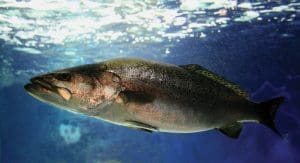
Marsh shorelines are prime territory. Look for points, small drains, cuts and patches of submerged vegetation where mullet and other baitfish are present. A spinnerbait allows an angler to cover water quickly while producing both flash and vibration, which can help trout locate the lure when visibility is limited.
Don’t overlook the edges of seagrass in clearer bays, either. Run the lure alongside grass lines or just over the top of submerged vegetation. A steady retrieve usually works, but occasionally speeding up the lure or allowing it to briefly drop can trigger a following trout.
Color selection should match water conditions.
In clear water, stick with natural-looking combinations that imitate the forage trout are feeding on. Silver, pearl, white and subtle shad or mullet patterns are good starting points. Smaller, less intrusive blades can also help when trout are feeding in exceptionally clear water.
When the water gets stained or muddy, visibility becomes less important and vibration becomes a bigger part of the equation. Chartreuse, darker contrasting colors and combinations with gold or copper-colored blades can stand out better in the tannic water commonly encountered in coastal marshes.
Don’t be afraid to slow the lure down in dirty water. Keeping the spinnerbait in the strike zone longer while allowing the blade to thump can be particularly effective.
One of the most interesting aspects of this technique is its potential for really big trout. Big specks frequently feed on larger prey than anglers realize, and a spinnerbait presents a substantial meal while creating enough disturbance to get noticed.
Texas coastal anglers spend plenty of time throwing soft plastics, topwaters and spoons for specks, and for good reason. But when trout push into the marsh or begin working grass edges, borrowing a page from Louisiana’s playbook can pay off.
Sometimes putting a little extra flash and vibration in front of a speck is exactly what it takes.
Chester Moore