
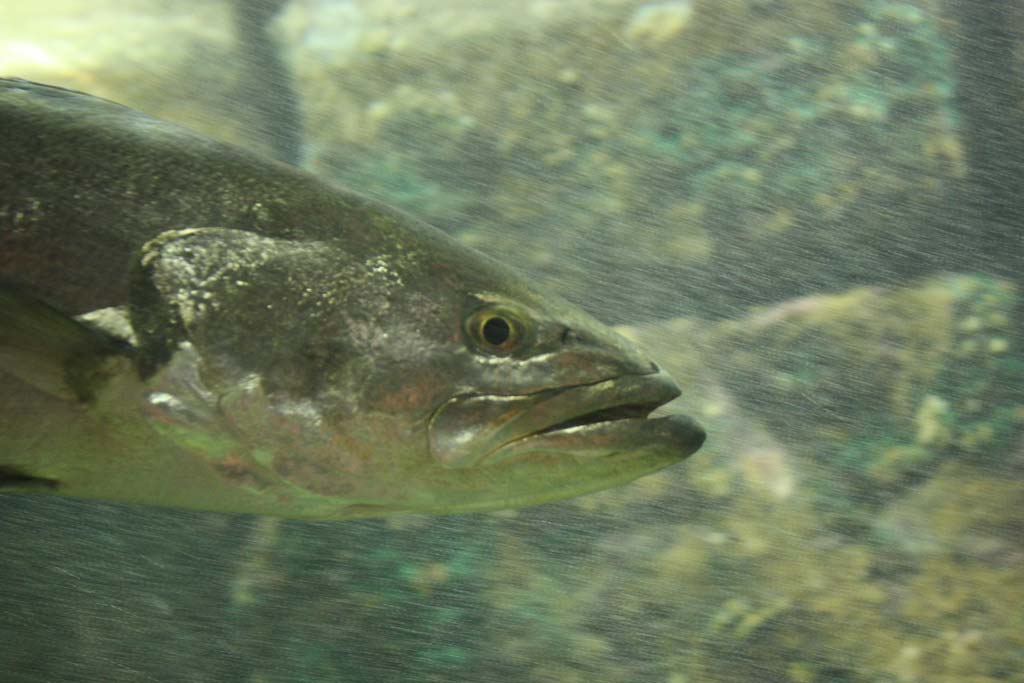
Fall can be an overlooked time to target speckled trout along the Texas coast’s jetty systems.
The fishing may not be as consistently productive as it is during late spring and early summer, when trout often gather around the rocks in impressive numbers, but that doesn’t mean the action is over.
There are still trout to be caught, and anglers willing to adjust their tactics can enjoy some excellent fishing.
One of the keys to fall jetty success is paying attention to weather conditions. Early fall can bring stretches of calm, warm weather that create outstanding opportunities for fishing the rocks. However, passing fronts can quickly change water clarity, currents and fish locations.
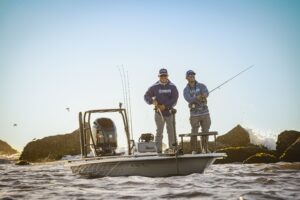
Calm Mornings and Topwaters
One of my favorite ways to approach jetty trout is with topwater plugs during calm mornings.
When the Gulf is relatively flat and baitfish are moving along the rocks, trout can become aggressive surface feeders. Walking-style topwaters such as the Super Spook Jr. can be especially effective.
Look for areas where mullet are moving near the surface, particularly around current breaks, points and pockets along the rocks.
A steady walk-the-dog retrieve can draw strikes, but don’t be afraid to pause the lure occasionally. Sometimes a trout will follow a plug for several feet before committing.
Low-light conditions are generally best, but cloudy days can extend the topwater bite well beyond sunrise.
Working Soft Plastics
As the sun climbs higher, soft plastics become an important part of the fall jetty arsenal.
Paddle-tail swimbaits and traditional soft-plastic shrimp imitations rigged on jigheads can be worked along the edges of the rocks and through current seams.
The key is finding the depth where trout are holding.
Start by casting parallel to the rocks and allowing the lure to sink before beginning a slow, steady retrieve. If that doesn’t produce, experiment with a lift-and-fall presentation.
In clearer water, natural baitfish colors can be productive, while darker or more visible colors may help in stained conditions.
Keep in mind that jetty rocks can be unforgiving. Carry extra jigheads and avoid letting your lure settle too deeply into the structure.
Live Bait Can Save the Day
When artificial lures aren’t producing, live bait can make a tremendous difference.
Live shrimp fished beneath a popping cork can be deadly around the jetties, especially when trout are feeding higher in the water column.
Adjust the depth beneath the cork according to conditions and allow the current to carry the bait naturally along productive stretches of rocks.
Free-lined live shrimp can also be effective when current conditions allow anglers to maintain control of their presentations.
Live finger mullet and small croaker are additional options, particularly when targeting larger trout.
With any live bait presentation, avoid using more weight than necessary. A natural drift is often more effective than forcing the bait toward the bottom.
Pay Attention to the Conditions
Fall jetty fishing requires flexibility.
Strong north winds can make Gulf-facing rocks dangerous or unfishable, while calmer periods between fronts may offer excellent opportunities.
Moving water is often important, but extremely strong currents can make presentations difficult. Look for protected pockets, current breaks and areas where baitfish concentrate.
And always put safety first. Wet jetty rocks, passing ship wakes and changing weather can create dangerous conditions in a hurry.
Fall may not deliver the nonstop jetty trout action associated with early summer, but the fish haven’t all disappeared.
With a little patience, the right conditions and a willingness to change tactics, autumn can still provide some memorable speckled trout fishing along the Texas coast.
Chester Moore