
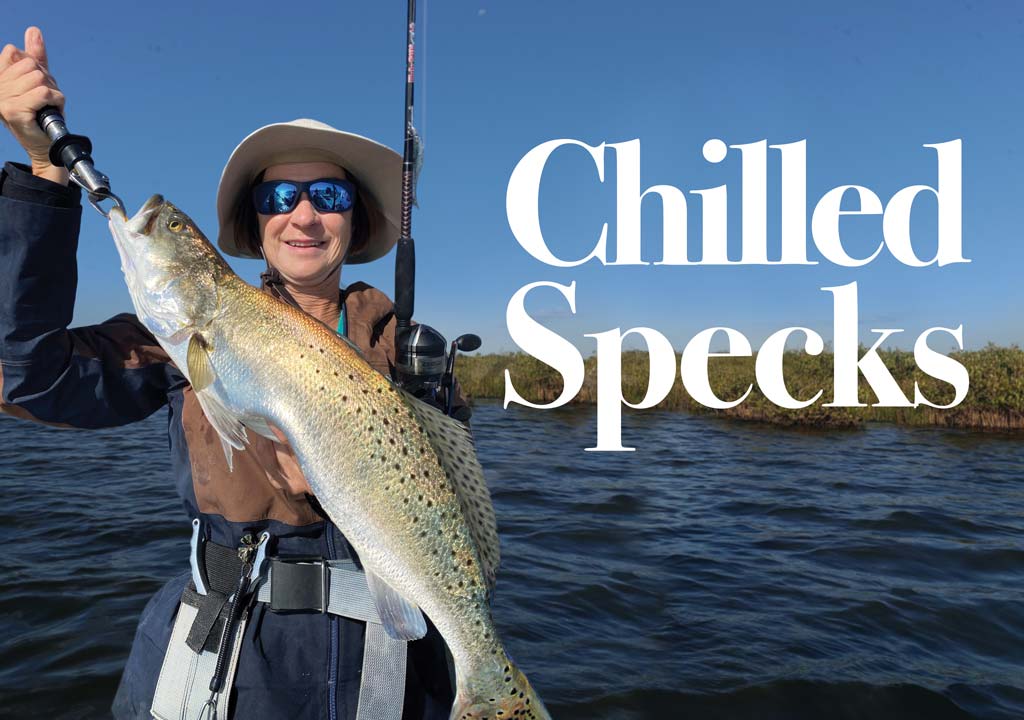
Tips for Catching Big Trout in Late Fall
Feature Story by CHESTER MOORE
LISTEN: (5 min, 20 sec)
FALL IS A PRIME TIME for speckled trout. They are generally working under the birds and feeding along the surface so finding specks can be easy. Finding big ones, however, is not so easy.
It can seem as if you have to go through 50 small ones to get one over 20 inches. Here are 10 tips to help you locate and catch bigger speckled trout during the fall months on the Texas Coast.
Work Outside the Birds
Some of the larger trout will feed outside the birds. While the little ones go crazy and push bait to the surface, bigger trout will often be on the periphery and usually on the bottom. This is a great time to break out a silver spoon that you can cast past action and fish slowly on the edges to see if there are any bigger specks around. This is also a great way to catch redfish.
Return to Spots with Big Trout
If you’ve caught a big speckled trout in a certain area, chances are that fish or others like it are still there. A migration study in Alabama tagged 477 speckled trout, with 58 returns showing 53 percent of the fish exhibited no movement from their original location. So, if you missed landing a trophy fish at a particular spot, keep fishing there – she’s likely still hanging around.
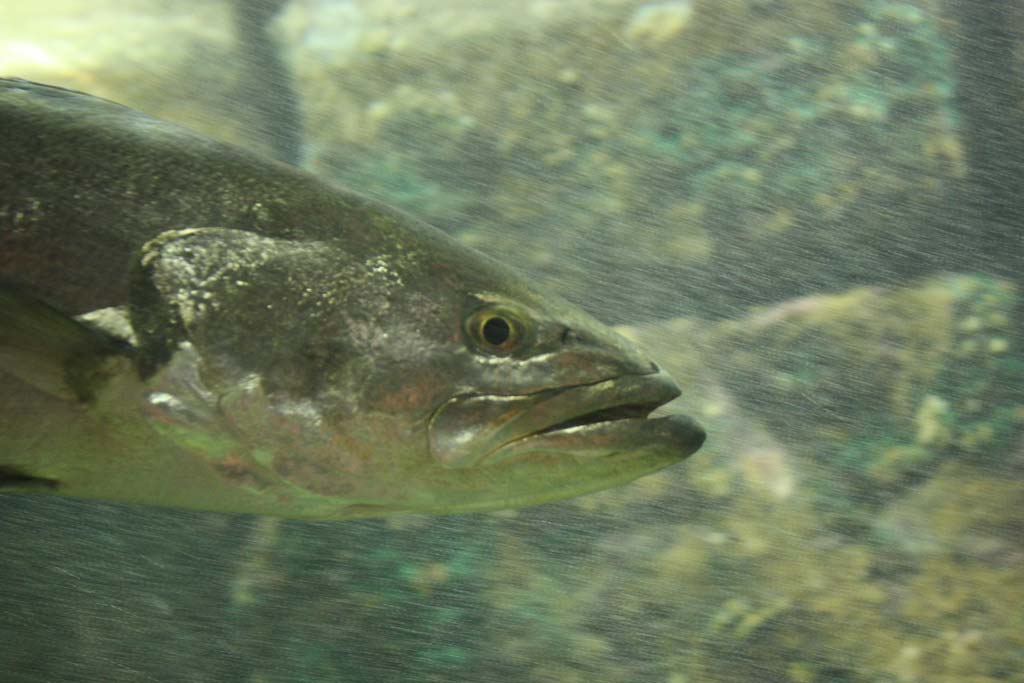
Salinity is a big deal for big trout. If there’s a lot of rain this fall you can expect the bigger trout to be near the jetties or at least in the southern tier of bays.
(Photo: Chester Moore)
Use Large Lures
Bigger trout tend to eat bigger prey. Research from Texas and Mississippi indicates that mullet is a preferred meal for the largest trout, with some trout eating mullet that is half or two-thirds their own size. While using large mullet or croaker-imitating lures may result in fewer bites, it significantly increases the chances of hooking a trophy-sized trout. The larger the bait, the larger the potential catch.
Play To Their Eyes
Speckled trout are superior night feeders, thanks to a special layer of tissue in their eyes that allows them to see in low light conditions. Take advantage of this by fishing during pre-dawn hours and using lures that glow or create strong silhouettes against the low light. Additionally, trout’s large “sagittae” (sound receptors) make them highly attuned to sounds in the water. Adding subtle rattles to your lures can combine sight and sound to increase your chances of attracting big fish.
Imitate Small Specks
Big trout are cannibalistic and often eat smaller trout. When choosing topwater lures or hard plastics, opt for patterns that mimic juvenile speckled trout. A trout-colored lure, rarely used on the Texas coast, can be particularly effective. The popping action of these lures mimics the sounds of small trout feeding, which can draw the attention of nearby larger fish looking to prey on them.

ADVERTISEMENT
Use Fluorocarbon
Speckled trout have sharp color vision and are particularly line-shy in clear water. To avoid spooking potential catches, switch to fluorocarbon leader lines, which are nearly invisible underwater. This can be a game-changer when fishing in crystal-clear conditions where trout are more cautious.
One Shot at Glory
While they may take an initial interest in your lure, they can quickly reject it if they detect something funky. It’s important to make sure your lure is as lifelike as possible and to react quickly when a big fish strikes, minimizing the chance of the trout sensing anything unnatural.
Consider Salinity
Trout have specific salinity preferences, and understanding these can help you locate trophy fish. Researchers with the Atlantic States Marine Fisheries Commission have found that adult trout prefer water with salinity levels close to seawater, rather than more brackish conditions. Focus on areas where the salinity is higher if you’re targeting big trout.

ADVERTISEMENT
The Right Bottom
Bottom structure plays an important role in where big trout are likely to be found. A study in Barataria Bay, Louisiana, concluded that larger trout are more likely to be located over shell or soft (mud) bottoms when water temperatures rise above 75 degrees. Keep this in mind as you scout locations and aim to fish over similar structures for better results.
Vary Your Topwaters
Different types of topwater lures perform best under specific water conditions. Walkers, which create a side-to-side motion on the water’s surface, are ideal for calm or slightly choppy conditions and mimic injured prey, triggering aggressive strikes. In rougher conditions, poppers, which create more commotion on the surface, are better. Understanding which lure to use based on the water’s condition can increase your odds of scoring on trout.
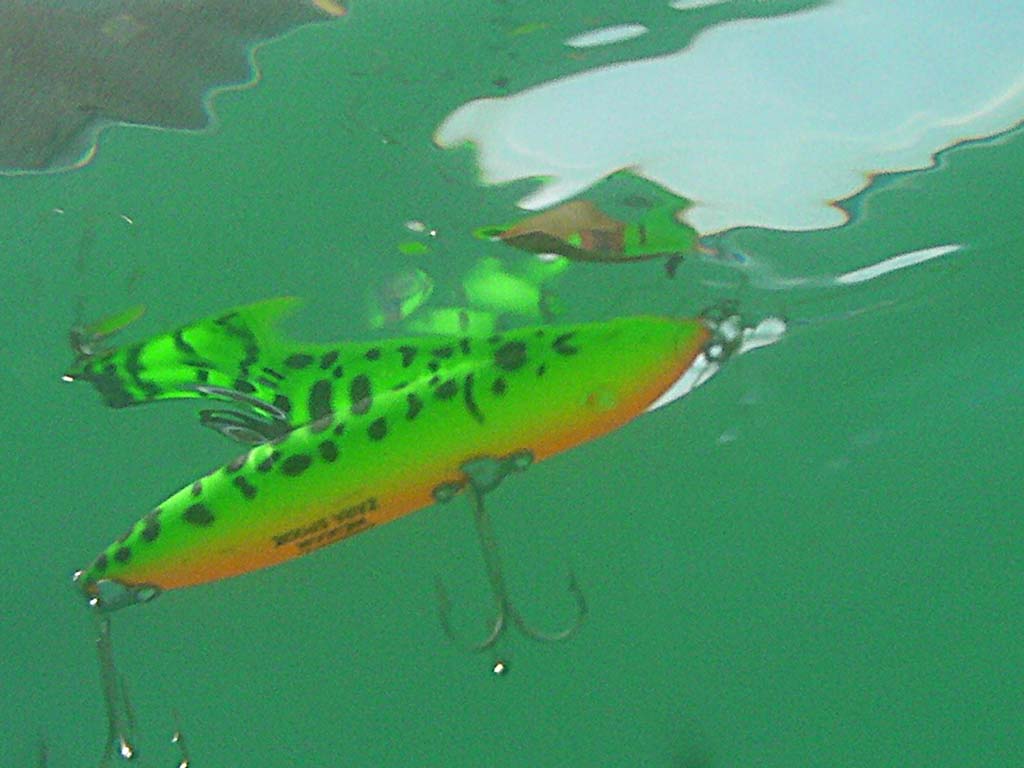
Anglers should be mindful of what type of topwater they use in certain water situations. Chuggers and walk-the-dog lures have their strongpoints at certain times.
(Photo: Chester Moore)
Something to keep in mind is that a trophy fish is something that should be personal to the angler.
In reality, most anglers have never caught a 30-inch trout and probably never will. If your biggest fish is 20 inches, then a 25-incher which would weigh significantly more is quite the trophy.
If a kid has only caught a barely legal trout, then that 20 incher is a beast.
We always want to catch that big fish but not everything has to be a water body record to matter, at the end of the day.
—story by CHESTER MOORE
