

Waterfowlers Cautioned About Invasive Species
LISTEN: (5 min, 38 sec)
AS TEXANS GEAR UP for waterfowl season and the fall fishing season, the Texas Parks and Wildlife Department (TPWD) urges boaters, paddlers and waterfowl hunters to do their part to protect the Texas lakes we love from aquatic invasive species.
“While we want everyone to have a great time, we also want to avoid giving invasive species free rides to new lakes,” said Brian Van Zee, TPWD Inland Fisheries regional director. “The best way to prevent the spread of many harmful aquatic invasive species is to clean, drain and dry your boats and equipment every time you visit any lake.”
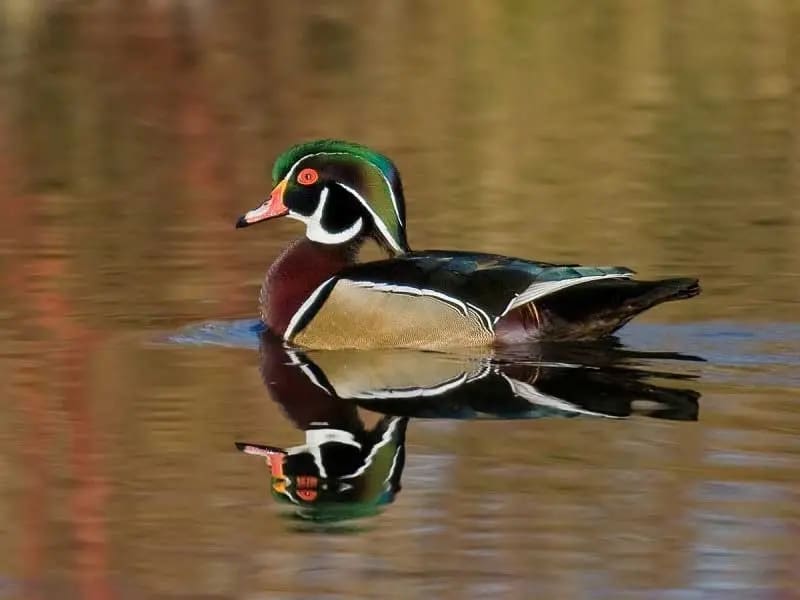 Hunters using boats to pursue ducks need to be wary of spreading zebra mussels, giant salvinia and other invasive eoxtics.
(Photo: USFWS)
Zebra mussels and giant salvinia continue to spread to new areas in Texas. While they remain some of the biggest threats to Texas lakes, other highly invasive species can also be spread or introduced by boaters, including common salvinia, water hyacinth and crested and yellow floating hearts.
Zebra mussels, non-native shellfish that attach to hard surfaces, pose a significant threat to Texas lakes. These invasive mussels damage boats and infrastructure for water supply and control, alter lake ecosystems and cause harm to native species. They also litter shorelines with hazardous, sharp shells that impact lakefront recreation.
Zebra mussels are now found in 37 Texas lakes across seven river basins, as well as in river reaches downstream of infested lakes.
“Zebra mussels and quagga mussels can be attached to boats or even carried by anchors or attached to plants clinging to boats,” said Monica McGarrity, TPWD senior scientist for aquatic invasive species. “Microscopic zebra mussel larvae can also be transported in residual water in the boat.”
Giant salvinia, a highly invasive, free-floating aquatic fern that can double its coverage area in a week, is one of the major threats to Texas lakes. This invasive plant can produce thick surface mats that make fishing, boating, swimming and other water recreation nearly impossible.
Giant salvinia is currently present on 27 East Texas lakes and numerous rivers, creeks and marshes between Houston and Beaumont. While TPWD efforts have kept giant salvinia from currently limiting angling or boating access in Texas public waters, they could still hitchhike from one lake to another on a boat, trailer or other equipment.
“There’s no doubt that Texans love their lakes, but we also need Texans to take action to help protect them,” said John Findeisen, TPWD aquatic habitat enhancement team lead. “It only takes a tiny fragment of an invasive plant to create a problematic infestation in a new lake. Preventing aquatic invasive species introductions avoids impacts on boater access as well as costly, long-term efforts to manage these species once they become established in a lake. An ounce of prevention is worth a pound of cure — it only takes a small amount of our time as responsible boaters to clean, drain and dry our boats and equipment to prevent new introductions of aquatic invasive species.”
TPWD urges boaters to follow these three simple but crucial steps to clean, drain and dry boats and gear before traveling from lake to lake. Remove plants, mud and debris; drain all water from the boat and gear; once back home, open compartments and allow everything to dry completely for at least a week, if possible.
If a boat or other equipment has been stored in the water at a lake with invasive mussels, it is likely infested and poses a high risk for transporting these invasive species to a new lake unless it is properly decontaminated. Before moving the boat, call TPWD at (512) 389-4848 for guidance.
• • •
Freshwater Stamp Reaches 20 Year Milestone
OVER THE PAST 20 YEARS, the Texas Freshwater Fish Stamp has been instrumental in advancing the management and conservation of freshwater fisheries resources in the state.
Established by the 78th Texas Legislature in 2004, the stamp has generated more than $130 million in funding dedicated to the construction, renovation, and operations of Texas freshwater fish hatcheries, construction and renovation of other facilities dedicated to the management and conservation of freshwater fisheries resources, and the expansion of angler access and enhancement of fish habitats in Texas public waters.
 ADVERTISEMENT
The $5 Freshwater Fish Stamp is included with the purchase of all freshwater fishing licenses. It replaced a $7 Freshwater Trout Stamp, which was sold from 1985-2003 supplemental to a freshwater fishing license to enable Texas Parks and Wildlife Department (TPWD) to purchase rainbow trout from coldwater fish hatcheries outside the state. Those fish were stocked in Texas creeks, rivers, and community fishing lakes to sustain popular winter trout fishing opportunities throughout the state. The winter trout program continues to be supported by the Freshwater Fish Stamp.
Funds made possible through the Freshwater Fish Stamp have enabled TPWD to purchase fish as needed to supplement production of the state fish hatchery system, but the central purpose of the stamp has been to construct new and to renovate and repair the state’s existing freshwater fish hatcheries.
—TF&G Staff report
