
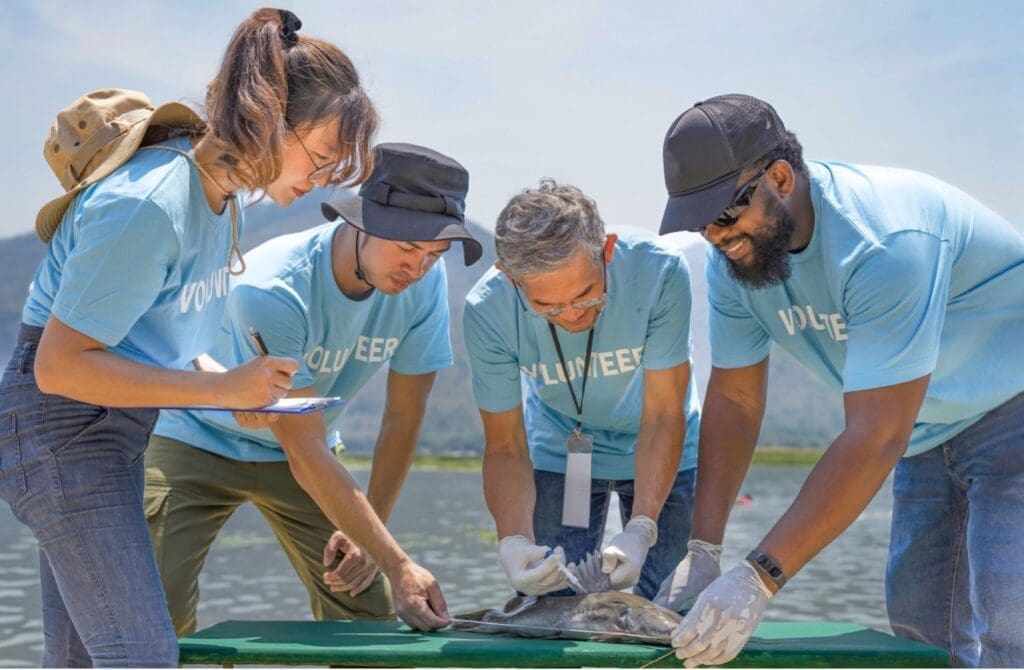
Fish populations around the world face significant challenges due to habitat loss, overfishing, pollution, and climate change. Conservation programs play an important role in maintaining fish populations by addressing these threats through targeted actions. From wildlife habitat restoration to sustainable fishing practices, these initiatives support ecosystems and protect the livelihoods of communities that rely on fisheries. Here’s how these programs make an impact.
Habitat Restoration and Protection
Conservation programs often focus on restoring natural habitats that fish depend on for breeding, feeding, and shelter. Damaged habitats, such as coral reefs and wetlands, are restored through techniques like coral farming, planting native vegetation, and removing debris. This helps create healthier environments where fish populations can thrive.
The Indian River Lagoon in Florida serves as a prime example of habitat restoration in action. Spanning over 150 miles, this estuary faces ongoing environmental threats from pollution, habitat loss, and nutrient overloading, which have severely impacted fish populations. Efforts in the Indian River Lagoon focus on restoring seagrasses, enhancing water quality, and tackling pollution sources that have contributed to habitat degradation. These initiatives have helped improve the habitat conditions necessary for the survival of fish species, including popular sportfish such as snook and tarpon.
Protected marine areas are another key strategy. By establishing no-fishing zones or limits on human activities, conservation efforts give ecosystems the time they need to recover. For instance, in the Philippines, the creation of marine protected areas has led to a noticeable increase in fish abundance, benefiting both biodiversity and local fisheries.
Sustainable Fishing Practices
Overfishing has long been a concern, and conservation programs work to promote more sustainable methods. Fishing limits, quotas, and seasonal restrictions help prevent overharvesting and allow fish stocks to regenerate. Programs often include training for local communities on conservation practices, helping them balance their livelihoods with long-term fish conservation.
One example is the use of selective fishing gear. Nets that allow smaller, juvenile fish to escape prevent the depletion of future generations of fish. In the Mediterranean, efforts to promote sustainable fishing gear have led to a significant reduction in bycatch, ensuring that endangered species and non-target fish aren’t unintentionally captured.
Breeding and Reintroduction Programs
For species at risk of extinction, breeding and reintroduction programs are vital. Conservation groups breed fish in controlled environments and release them into their natural habitats to boost dwindling populations. These efforts often target species like sturgeon, salmon, and trout that have faced wildlife habitat destruction or overfishing.
The U.S. Fish and Wildlife Service, for example, has been involved in breeding and reintroducing endangered species of fish like the Apache trout. By breeding these species in captivity and reintroducing them into suitable habitats, they help restore natural populations and stabilize ecosystems.
Pollution Control and Water Quality Management
Water pollution from agriculture, industry, and urban development poses a significant threat to fish populations. Conservation programs work on reducing pollutants that harm aquatic life, such as chemicals, plastic waste, and excess nutrients that lead to harmful algae blooms. These programs often involve monitoring water quality and addressing sources of contamination.
For example, in the Great Lakes, conservation groups have worked with agricultural communities to reduce phosphorus runoff that leads to algae blooms. Cleaner water means healthier fish populations, as well as improved conditions for breeding and growth.
Climate Change Adaptation
Fish populations are also affected by rising water temperatures, changes in ocean currents, and acidification caused by climate change. Conservation programs help fish adapt by identifying species that are most vulnerable and developing strategies to protect them. This includes protecting migration routes, safeguarding nursery habitats, and conducting research on species that may be more resilient to temperature changes.
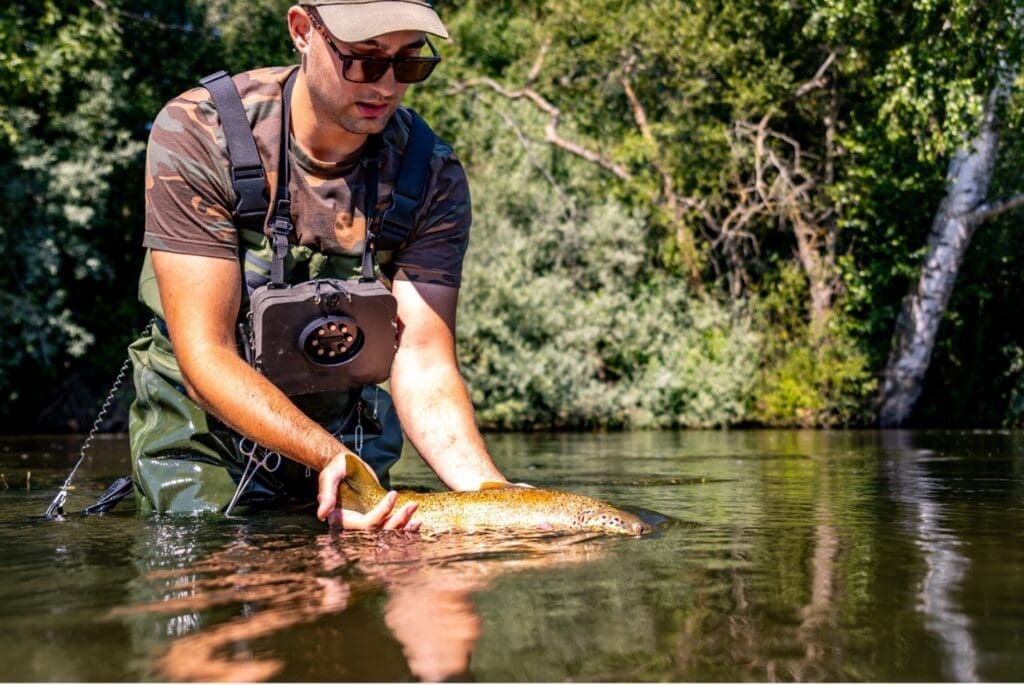
A study in Alaska has focused on helping salmon populations, which are particularly vulnerable to changing water temperatures. By researching how different populations of salmon respond to temperature variations, scientists can create conservation plans that support their long-term survival.
Collaborative Efforts and Community Involvement
Conservation programs that include local communities tend to be more successful because they empower people to protect their own environments. These efforts often include educational initiatives that teach community members about the benefits of conservation and offer incentives for sustainable practices. By involving local stakeholders, programs can achieve longer-lasting results.
A notable example is in Belize, where community-managed fish reserves have helped both fish populations and local fishermen. The involvement of local fishermen in managing and protecting the reserve has led to increased fish stocks and improved income from fishing.
Technology and Innovation in Fish Conservation
Advances in technology are enhancing the effectiveness of conservation programs. Satellite tracking, for example, helps monitor fish migration patterns and identify critical habitats. Drones are being used to map coral reefs and monitor illegal fishing activities, providing conservationists with better tools to protect ecosystems.
In addition, technological innovations in aquaculture help reduce the pressure on wild fish populations by providing sustainable alternatives for seafood production. Aquaculture systems that focus on environmental sustainability can help meet the global demand for fish without further depleting wild stocks.
Conclusion
Conservation programs play a key role in maintaining fish populations by addressing a variety of threats, from habitat destruction to overfishing and climate change. By focusing on habitat restoration, sustainable fishing practices, pollution control, and community involvement, these programs are helping to ensure that fish populations continue to thrive. As conservation efforts evolve, their impact on ecosystems and human communities will continue to grow, supporting the health of our planet’s fisheries for future generations.