
Lake Conroe has long been celebrated as one of Texas’s premier big bass lakes, and for good reason. It’s a magnet for Houston-area anglers chasing trophy largemouth bass and other species, making this 21,000-acre reservoir iconic.
As an outdoor writer researching this popular fishery, I set out to uncover what makes Lake Conroe so special for bass—to dig deeper than just looking at a few of its historical catches.
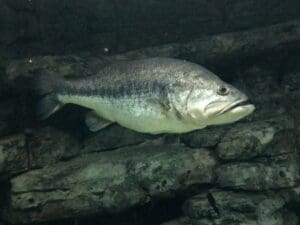
In 2024, Lake Conroe is again at the center of the fishing world, thanks to a string of impressive catches that have earned spots in the ShareLunker program.
But what is it about Conroe that produces these heavyweight bass year after year?
Through research and conversations with experts, I delved into the science and lore behind one of Texas’s most iconic fisheries.
Food Chain Powerhouse: Panfish and Prey Abundance
One of the most striking things about Lake Conroe is its robust panfish population. Bluegill, redear sunfish, and even crappie abound here, creating a year-round buffet for largemouth bass. On any given day, schools of bluegill can be seen hovering around docks, or splashes are heard in the shallows as panfish are chased by predators.
Research highlights how crucial this forage base is to the lake’s ecosystem. Bass need consistent access to high-calorie prey to grow to trophy sizes, and Conroe’s panfish provide just that. Reports of hand-sized bluegill and chunky redears being caught regularly affirm the abundance of prey available to sustain the lake’s legendary bass population.
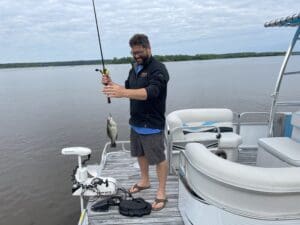
An overlooked aspect is Conroe’s crappie population. Savvy big bass specialists know that brushpiles and docks baited for crappie have big bass prowling around them. Crappie fishing is extremely popular on the lake, and numerous anglers have reported having monster bass take the crappie off their lines while reeling them up.
Big Bass DNA: ShareLunker Success
Another critical factor in Lake Conroe’s big bass success story is its connection to the Texas Parks and Wildlife Department’s (TPWD) ShareLunker program. Conroe has consistently contributed, with numerous bass over 13 pounds submitted to the program. These fish are often used in spawning programs to create genetically superior offspring stocked back into the lake where they originated.
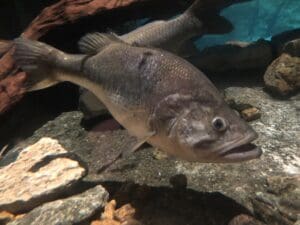
Conroe is in the top 10 lakes in Texas for Sharelunker production, and it
has reaped the conservation benefits.
According to TPWD, in 1998, the biggest largemouth bass ever collected by TPWD in an electrofishing survey was taken from beneath a boat dock and weighed 14.1 pounds. The standing lake record caught in 2009 by angler Ricky Bearden weighed 15.93 pounds—a truly monster bass.
Conversing With A Conroe Winner
Bassmaster Elite Series pro Keith Combs knows something about catching big bass on Lake Conroe.
Keith Combs secured two Toyota Texas Bass Classic (TTBC) victories on Lake Conroe with impressive total weights:
2011 Victory: Keith Combs and Mike Iaconelli each achieved a total weight of 76 pounds, 12 ounces across three days of competition. The tie resulted in a sudden-death fish-off, where Combs secured victory by catching a 15-inch bass before Iaconelli could respond.
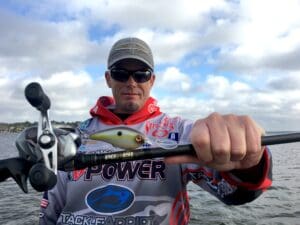
2013 Victory: Keith Combs dominated the tournament from start to finish, ending with an impressive total weight of 62 pounds, 12 ounces over three days. He outpaced the runner-up by a remarkable margin of 12 pounds, 8 ounces.
Combs said part of Conroe’s secret to big bass production involves quality over quantity.
“The lake probably doesn’t have as big of a bass population as some of the other top bass lakes due to Conroe not having much grass. But what Conroe does have is a good number of big fish, which is why you have seen major tournaments where the big fish of the day was over 10 pounds”, Combs said.
Prime examples came in 2024 when Michael Murrey landed an 11.51-pound largemouth bass. This Elite-class fish measured an impressive 25.25 inches.
The second biggest catch occurred when Dustin Walkoviak reeled in a 10.46-pound largemouth bass. This trophy fish measured 24.25 inches.
Management Matters: A Balancing Act
Lake Conroe hasn’t achieved its status as a big bass hotspot by accident. It’s the result of years of careful management by TPWD and local stakeholders. From stocking Florida-strain largemouth bass to maintaining water quality and vegetation levels, the efforts to balance recreational use with ecological health are impressive.
One notable initiative has been the introduction of artificial fish habitats. TPWD has deployed structures like brush piles and artificial reefs in areas with sparse natural cover. Anglers can even access maps showing these habitat locations, making it easier to target productive spots.
TPWD notes that largemouth bass anglers can expect to take bass in shallow water, particularly around marinas and boat docks, in the early spring and mid-to-late fall. In other seasons, bass are taken around deeper cover. Anglers are most successful with various shad imitation lures or soft plastic baits.
Anglers out to catch the bass of a lifetime should consider using large panfish-imitation swimbaits around docks and shad or even yellow/white bass imitations out on the open water. Conroe bass are used to eating big prey, so don’t be afraid to get a little gaudy if the size of your swimbait is too big.
Closing Thoughts
Through careful research and analysis, it’s clear that Lake Conroe is a special place for anglers. Its ability to produce giant bass year after year is no accident but rather the result of managing habitat, forage, and genetics.
Whether chasing your next trophy bass or enjoying a peaceful day catching bluegill with the family, Lake Conroe offers something for everyone. With continued care and attention, it will remain a Texas treasure for years to come.
Oh, and if you do decide to do some bluegill fishing, don’t be surprised if a massive bass comes up to steal your catch.
As we’ve noted, that kind of thing happens on Lake Conroe, where giant bass are the apex predator of their reservoir habitat.
Top 5 Heaviest Conroe ShareLunkers of 2024
1. Michael Murrey
● Weight: 11.51 lbs
● Date: 03/05/2024
● Class: Strike King Elite
● Length: 25.25 in
2. Dustin Walkoviak
● Weight: 10.46 lbs
● Date: 02/21/2024
● Class: Bass Pro Shops Lunker
● Length: 24.25 in
3. Walter Ramirez
● Weight: 10.10 lbs
● Date: 06/30/2024
● Class: Strike King Elite
4. William Mittasch
● Weight: 8.70 lbs
● Date: 07/14/2024
● Class: Bass Pro Shops Lunker
● Length: 23.50 in
5. Johnathon Barela
● Weight: 8.64 lbs
● Date: 03/01/2024
● Class: Bass Pro Shops Lunker
● Length: 24.50 in