
…from the Fish & Game Saltwater Playbook
Feature Article by TF&G Staff
LISTEN: (6 min, 15 sec)
THERE’S SOMETHING ABOUT the Texas coast after dark that feels like a different world. But for seasoned anglers, nightfall doesn’t signal the end of a fishing trip but the beginning. Night fishing on the Texas coast can be as productive as it is peaceful, and in many cases, even more rewarding than fishing in the heat and hustle of daylight hours.
“It can be incredibly effective,” said Texas Fish & Game Boating Editor Lenny Rudow in his guide to night fishing.
“In fact, at many times of the year the night bite can be better than the action during daylight if, that is, you know how to fish in the darkness.”
Why Fish After Night Fall? From the Port Aransas jetties to the piers of Galveston anglers have long known that some species feed more aggressively in low light.
Predators like speckled trout, redfish, and black drum are particularly active during these cooler, quieter hours. The water’s surface calms. Boat traffic dies down. Baitfish venture out from cover. And larger gamefish come in closer to shore under the cover of night.
One of the biggest reasons night fishing shines along the coast is simple: lower temperatures. Especially in the warmer months, the water cools slightly at night, creating a more comfortable and oxygen-rich environment for fish as well. That means more movement, more feeding, and more chances to hook into something memorable.
The Magic of Lights
“If you’re going to fish at night, choose an area with artificial lighting,” Rudow said.
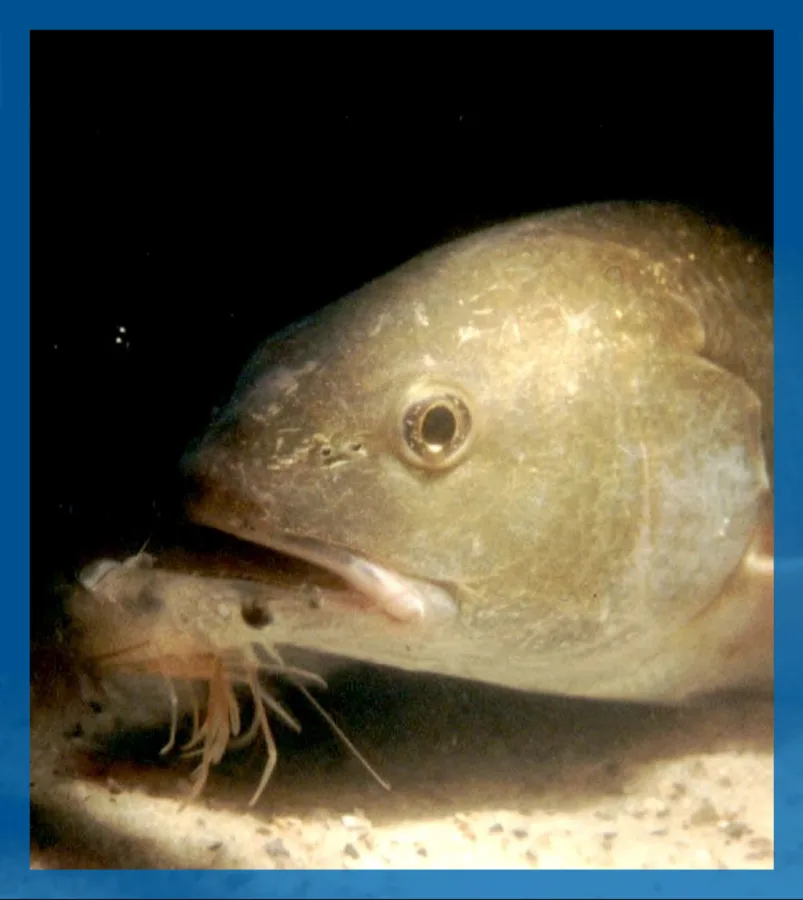 Fishing around lights at night is a great way to score on reds and specks.
(Photo: Chester Moore)
He’s right and this is perhaps the most important tip for inshore night fishing in Texas. Whether you’re on a dock, pier, or bridge, areas with strong overhead or submerged lights are magnets for baitfish. Shrimp, glass minnows, and finger mullet are drawn into the glow, and like clockwork, the predators follow.
Watch carefully around dock lights and you’ll often see a feeding rhythm emerge. A swirl here. A flash of silver there. Trout use the contrast between light and dark to ambush their prey. Position your bait or lure on the edge of the light pool where fish are actively hunting.
Right Bait for the Dark
When it comes to bait, live or fresh-cut dead bait is the best.
This is especially true along the murky, current-driven channels of the Texas coast. Live shrimp under a popping cork or finger mullet on a Carolina rig can be deadly. The movement and smell of natural bait travel through the water more effectively than artificial lures at night, attracting strikes even when visibility is limited.
 ADVERTISEMENT
That said, artificial lures still have their place. Soft plastics in darker colors like black, purple and brown actually create a more defined silhouette against the night sky when viewed from below. This might seem counterintuitive, but darker lures stand out better in the limited ambient light, mimicking the outline of prey more effectively than bright or translucent colors.
However, when fishing directly under lights, some anglers prefer using luminescent-colored lures, especially when trout are feeding near the surface.
Topwater lures can also be surprisingly effective in calm nighttime waters. A slow, steady retrieve across the surface can produce explosive strikes from hungry trout or redfish drawn to the subtle commotion.
Be Stealthy and Stay Aware
Keep in mind you need to be extra quiet at night. This is especially true when fishing from piers or bulkheads. Heavy footsteps dropped tackle boxes, or loud conversations can send wary fish scattering. Try to move with purpose and keep your noise to a minimum. And if you’re wading or kayaking, approach likely spots slowly and carefully, especially in the shallows.
You’ll also want to bring the right gear to help you manage in low light. Ditch the handheld flashlight and opt for a high-quality headlamp. Modern models with red or green lenses are ideal as they provide just enough illumination for tying knots or baiting hooks without spooking fish or ruining your night vision.
Popular Night Fishing Spots
• Galveston Seawall & Piers: With well-lit piers and easy access to both surf and bay fishing, this area is a favorite for night anglers. Trout and reds are common, especially during tide swings.
• Port Aransas, Horace Caldwell Pier: This long pier extends deep into the Gulf and features lights along the full length. Summer nights can be especially productive for specks and even flounder near the base.
• Port Isabel Jetties: These rock jetties provide ideal ambush structure for a variety of gamefish. Use caution navigating the rocks at night, but the action can be fast and furious.
• San Luis Pass: Known for strong currents and monster fish, this is a spot that requires experience and respect, but it can produce trophy-sized reds and big black drum after dark.
Stay Safe
While night fishing is rewarding, it also requires an extra layer of caution. Visibility is limited, and hazards both natural and man-made can become more dangerous after dark. Here are a few essential safety tips to keep in mind:
• Always fish with a buddy when possible. If you’re wading or fishing in remote areas, let someone know your exact plans.
• Wear a life jacket when fishing from a boat or kayak, especially in unfamiliar waters.
• Be aware of tides and currents. They can change rapidly along the Texas coast and catch even experienced anglers off guard.
• Carry a waterproof light, backup batteries, and a fully charged phone. It’s easy to misplace gear or get disoriented at night.
• Watch for wildlife—stingrays, snakes, and even alligators can be active after dark, especially in marshy or back bay areas.
With the right gear, a good plan, and a healthy respect for safety, night fishing on the Texas coast can offer some of the most exciting, productive angling of your life.
So next time the sun dips below the horizon, don’t pack up. It might be the perfect time to hit the water.
—story compiled by Fish & Game Staff
DIGITAL BONUS VIDEO: 6 Common Night Fishing Mistakes
