
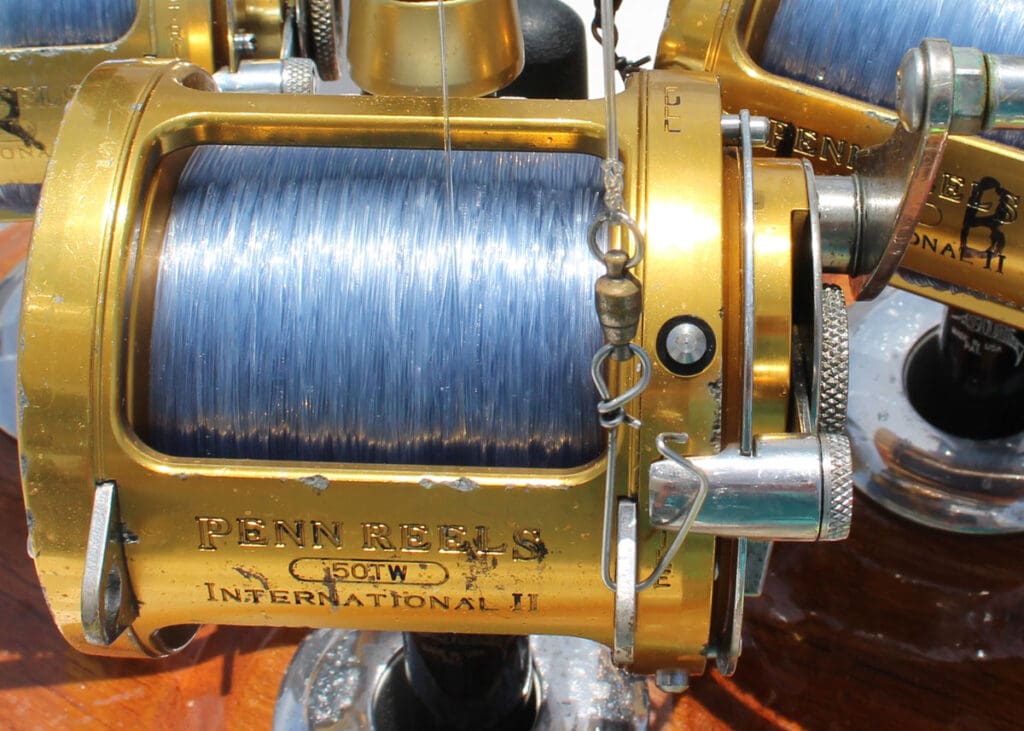
Saltwater fishing can be incredibly rewarding, but salt is brutal on your gear. Without proper care, your reels can corrode, seize up, or suffer irreversible damage. Cleaning your reels after every saltwater trip is essential. Here’s a step-by-step guide on how to do it properly:
1. Gather Your Supplies
Before you begin, make sure you have:
-
Freshwater (lukewarm if possible)
-
A soft cloth or sponge
-
A soft-bristled toothbrush
-
Reel oil and grease
-
Clean towels
-
Mild soap (optional, but avoid harsh detergents)
2. Rinse the Reels Gently
Immediately after your trip, rinse the reel with a light spray of freshwater. Don’t use high pressure, as it can force salt and water into the inner components. A gentle mist is enough to remove surface salt and grime.
3. Wipe Down the Exterior
Use a soft, damp cloth to wipe down. Pay attention to the handle, spool, bail arm, and line roller. If there’s visible salt buildup or fish residue, lightly scrub with mild soap and water, then rinse again.
4. Detail Clean with a Toothbrush
For hard-to-reach areas, a soft-bristled toothbrush works wonders. Carefully brush around the line roller, bail arm joints, handle knobs, and any crevices where salt might collect. This step helps remove salt crystals that could cause long-term damage.
5. Dry Thoroughly
Pat the reels dry with a clean towel. Then let them air dry completely in a well-ventilated space. Avoid using heat sources like hairdryers, which can damage seals and plastic components.
6. Apply Lubrication
Once the reels are completely dry, apply a few drops of reel oil to key moving parts:
-
Handle knob and joint
-
Bail arm pivot points
-
Line roller
-
Spool shaft
Turn the handle gently to distribute the oil evenly. Avoid over-oiling, which can attract dirt and cause gumming.
7. Inspect and Store
Finally, inspect your reels for any signs of wear or corrosion. If everything looks good, store your reels in a dry, cool place—preferably covered or in a reel case to protect against dust and moisture.
By taking these simple steps after each saltwater trip, you’ll dramatically extend the life of your reels, ensuring they remain smooth and reliable for years of fishing adventures.