
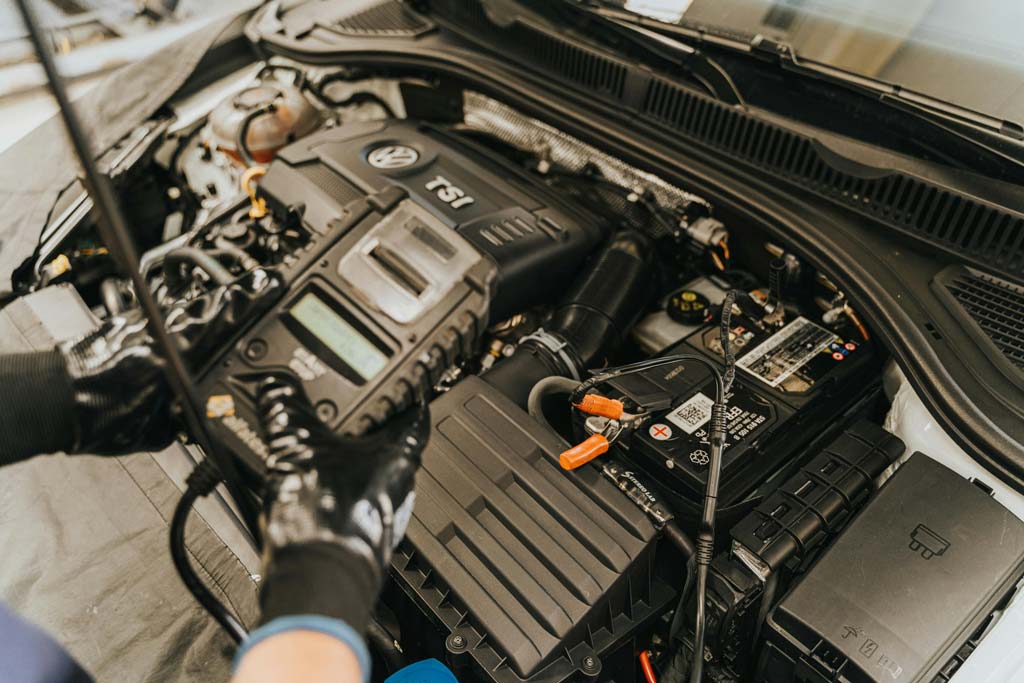
Compact Vehicle Maintenance: Key Tips for Longevity
Looking for ways to get your compact car to last 5, 10, or even 15 years?
Smart maintenance is what separates a compact car that limps to 100,000 miles from one that cruises past 200,000. And the truth is…
Most compact car owners do it all wrong.
They spend money on maintenance they don’t need and ignore maintenance that’s super important. According to official data, maintenance costs have risen by almost 25% between 2022 and 2024 alone.
But here’s the secret…
You can keep your compact car humming along without it costing you an arm and a leg. Whether you’re in the market for a new compact car at Toyota dealers in Brisbane or just keeping your current ride in tip-top shape, these maintenance tips will help you save thousands over the life of your car.
In this guide, you’ll learn:
- The surprising truth about the real cost of compact car maintenance
- The essential maintenance that’s actually worth the money
- Simple money-saving hacks your mechanic won’t tell you
- The most common compact car mistakes that cost people tons of money
How Much Does Compact Car Maintenance Actually Cost?
Hold onto your hats. Let’s talk money for a second.
On average, car owners shell out $936 per year on car maintenance and repairs. That’s up from just $652 a couple of years ago.
Pretty insane, right?
But there’s a silver lining for compact car owners. These pint-sized rides tend to be cheaper to maintain than full-sized vehicles. Why?
- Less mass = less wear on brakes, tyres, and engine components
- Smaller engines = fewer parts to go wrong
- Better gas mileage = cleaner engine internals
Want to hear the best part?
Some compact car brands are literally free to maintain. We’re talking $0 per year in maintenance costs. Tesla, for example, ranks as the cheapest brand to maintain over 10 years according to Consumer Reports at just $5050. Compare that to luxury brands that can easily rack up $17,000+ in maintenance over the same period.
Essential Maintenance That’s Actually Worth Paying For
This is where most people go wrong…
They religiously follow the dealer’s maintenance schedule like it’s the gospel. But here’s the truth. Not all maintenance is created equal. Some stuff is critical for reliability and longevity. Other stuff? Straight up gravy for the service department’s bottom line.
Let’s run through the nitty-gritty of what actually matters for your compact car:
Oil Changes: Don’t Skip or Go Cheap
This one’s non-negotiable.
Compact cars these days can go 7500-10,000 miles between oil changes. But that assumes “normal” driving conditions. If you do lots of stop-start traffic or short trips?
Halve that interval.
Why? Short trips don’t let your engine get up to its optimal operating temperature. Moisture from the air that’s been sucked into the oil doesn’t evaporate. That moisture creates engine sludge that’ll kill your engine quicker than you can say “engine replacement”.
Tyres: Rotated and Balanced for Life
Tyres are the unsung hero of your compact car’s performance. Think about it.
They’re the ONLY thing connecting your car to the road. And yet we take them for granted. Compact cars can be especially hard on their tyres. Why?
- Their light weight puts less cushion between the road and the tyre carcass
- Sportier suspensions and wheel angles put more stress on tyres
So, how to maximise tyre lifespan?
- Check your tyre pressure once a month
- Rotate tyres every 5,000-7,500 miles
- Keep an eye out for uneven tread wear
By rotating your tyres and keeping them properly inflated, you can boost your fuel economy by up to 3%. Doesn’t sound like much? Over a year, that’s real money in your pocket.
Filters: The Cheapest Maintenance Item with the Biggest Impact
Air filters. Transmission filters. Cabin air filters. They’re the unsung heroes of your car’s internals.
A clogged air filter is like putting your engine on a diet and feeding it junk food instead of steak.
Your engine will choke and struggle for power. And that’s exactly what will happen to your engine if you neglect your filters.
Money-Saving Tips the Average Mechanic Won’t Tell You
Here’s a crazy thought…
What if you could slash your maintenance costs in half?
Here’s how smart compact car owners do it:
Buy Parts Yourself
How do mechanics make you pay $100 for an air filter that costs $10?
They markup parts by 100-300%.
Same part, identical spec. The only difference is they slap on a 300% markup before they stick it in your car.
Buy your own parts. You can save hundreds over the years by doing this simple thing.
Learn to Do the Basics Yourself
You don’t have to be a mechanic to change your own air filter, wipers, and brake pads.
These maintenance jobs take a few minutes and will save you hundreds over the years:
- Air filter
- Windshield wipers
- Battery terminal corrosion
- Tyre pressure and inspection
YouTube’s your best friend here. There’s literally a dozen tutorials on every compact car model for every maintenance task.
Go to an Independent Specialist Instead of the Dealer
Dealer service departments are ALWAYS going to be expensive.
A trained independent mechanic who specialises in your car can often save you 30-50% on labour costs. They also tend to know your car brand better than the average dealer tech.
When Your Compact Car Is Trying to Tell You Something
Cars are like pets in a way. They can’t talk, but boy do they try to.
Interpreting these early warning signs can save you thousands:
- Odd noises? Squealing = brake pads worn. Grinding = metal-on-metal. Knocking = engine problem.
- Strange smells? Sweet = coolant leak. Burning = oil leak. Rotten egg = cat converter.
- Warning lights? Any warning light blinking or on requires immediate attention. Tread lightly if you decide to ignore it.
Here’s the bottom line:
Fixing an expensive issue like a faulty oxygen sensor is like giving your car a diet and exercise programme. It can improve your fuel economy by up to 40%. Forty percent. Not a typo.
The Most Common Mistakes Compact Car Owners Make
Even well-meaning owners make these expensive mistakes:
Ignoring the Timing Belt
This one can kill your engine.
If your compact car has a timing belt (and not all models do), changing it at the recommended intervals is not up for debate. When a timing belt snaps, valves hit pistons. That’s the beginning of a new engine.
Cost of prevention: $500-800
Cost of failure: $3,000-5,000
Skipping the Wiper Fluid
This is low-hanging fruit.
Replacing the wiper fluid and checking the wiper blades is literally a two-minute job. Yet most people never do it.
Next time it rains, check your wipers. If they’re squeaking and smearing, pop the old ones off and put some new ones on.
The Environmental Bonus of Proper Maintenance
Nobody likes talking about “green” stuff. But here’s the deal…
Well-maintained compact cars are way better for the environment than poorly-maintained big cars. Sure, compact cars are already more fuel-efficient than a gas-guzzling SUV or truck. But proper maintenance maximises that advantage.
A well-maintained compact car can deliver its full fuel economy potential. That often means over 35 mpg combined. That’s real-life fuel savings in action. Less fuel burned. Less emissions produced. More money in your pocket.
Putting It All Together
Maintaining a compact car doesn’t need to be a headache or a huge cost.
It all comes back to one question. What’s actually important for your car and what’s just dealer profit padding?
Focus on the basics – oil changes, tyres, filters, and fluids – and listen to your car when it’s trying to tell you something.
Set up a maintenance fund, start doing the simple stuff yourself, and find a good independent mechanic you can trust for the rest.
Follow these simple steps and your compact car will serve you faithfully for 5, 10, 15 years and beyond. Ignore it and you’ll be shopping for a new compact car way sooner than you need to.
The choice is yours, but at least now you know what’s required to keep your compact car running like new without spending tons of money.
Pretty awesome, right?