
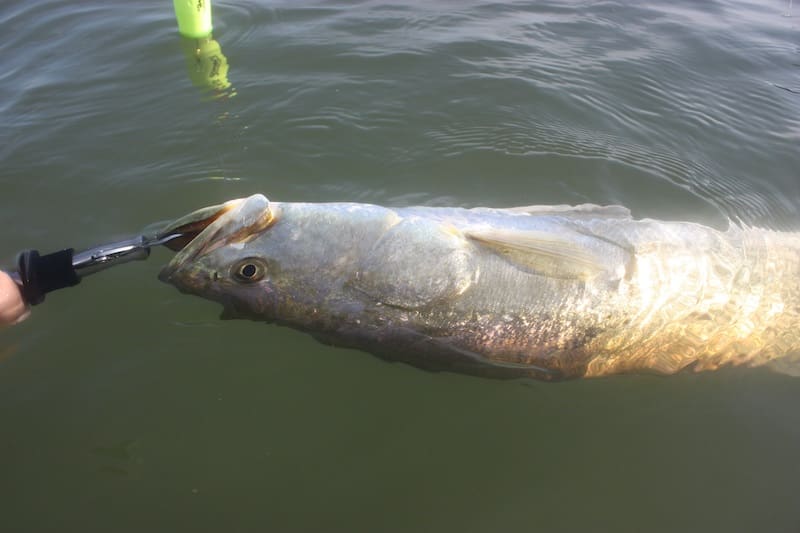
Few setups are as reliable for catching speckled trout as a popping cork paired with a shrimp imitation. This combination is simple, effective, and versatile — it can be cast long distances, fished over shell or grass without snagging, and it perfectly imitates both the sound and look of feeding activity that draws trout in from all directions.
1. Why Use a Popping Cork
A popping cork is one of the most effective tools for catching speckled trout. The popping sound mimics a trout feeding on the surface. That noise draws in nearby fish, triggering both curiosity and competition. The commotion convinces other trout that bait is being eaten, so they come in ready to strike.
2. Choosing the Right Lure
The most consistent producers under a popping cork are shrimp imitations. Gulp! Shrimp or realistic shrimp-style soft plastic baits are ideal. Rig them on a 1/16-ounce jighead for normal conditions. When the current is strong or you’re fishing deeper water, switch to a 1/8-ounce jighead to keep the bait down in the strike zone.
3. Rigging the Setup
-
Tie your popping cork to your main line.
-
Add 18 to 24 inches of fluorocarbon leader below the cork.
-
Attach your jighead and shrimp imitation to the end of the leader.
This setup allows the bait to suspend naturally beneath the cork, staying visible and enticing to trout.
4. Where to Fish It
A popping cork and shrimp combo can be fished in a variety of environments:
-
Over shell bottoms: The cork keeps your lure suspended above the shells, preventing snags.
-
Over grass flats: The rig stays above the vegetation, keeping your bait clean and visible.
-
Around points, drains, and current edges: The sound and movement attract trout holding in ambush zones.
5. Casting Advantages
Because of the weight of the cork and jighead, this combo can be cast long distances. This helps you cover more water and stay farther away from feeding trout, which reduces the chance of spooking them — especially in shallow or clear water.
6. How to Work the Rig
-
Cast the rig out and let the cork settle.
-
Pop the cork with a quick snap of the wrist. The goal is to make a sharp “chug” sound, not a big splash.
-
Pause for several seconds to let the shrimp imitation flutter and settle.
-
Repeat the pop-and-pause rhythm until you find what triggers bites.
Trout often hit right after the pop or during the pause when the bait looks most natural.
7. Setting the Hook
When the cork goes under, don’t immediately jerk. Reel down until you feel steady weight, then lift firmly to set the hook. The light jighead and soft plastic allow trout to inhale the bait easily.
This rigging isn’t the sexiest but it is absolutely effective. I’ve seen it work in three feet of water for a 30-inch trout in Lower Laguna Madre and over deep reefs in Sabine Lake.
Chester Moore