
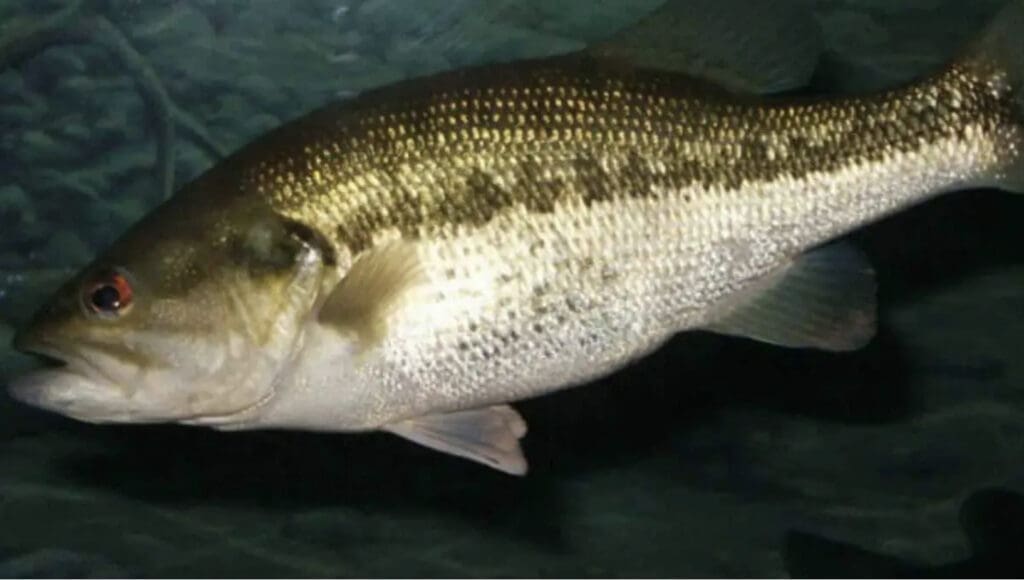
February is supposed to feel like winter in Texas. Cold fronts, stiff north winds, and slow fishing are the norm. But every year, a few stretches of unseasonably warm weather change the entire script. When the sun stays out, water temperatures climb into the upper 50s or low 60s, and suddenly bass begin acting more like it’s March than mid-winter.
For anglers paying attention, these warm spells can produce some of the best shallow-water fishing of the season — often with less pressure and bigger fish than later in spring.
The key is understanding what warming trends actually do to bass, and how to fish them before the next front resets everything.
Focus on the First Warm Water
During February, bass are still in a winter mindset, but they respond quickly to rising temperatures. The most important water on the lake is the water that warms first.
Look for north-facing pockets and coves that receive direct sunlight throughout the day. These areas warm faster than the main lake and often attract baitfish, which in turn draws bass shallow. Dark-bottom banks, riprap, and protected backwaters can gain several degrees in just a few hours.
Even a two- or three-degree difference is enough to trigger feeding activity.
Fish the Transition Zones
Bass rarely move straight from deep winter haunts to the bank overnight. Instead, they slide up in stages, using gradual depth changes and nearby cover as stopping points.
The best February warm-spell pattern is targeting transition areas: secondary points, channel swings near flats, and the first available structure inside spawning pockets.
These are places where bass can feed shallow during the warmest part of the day but drop back quickly if conditions change.
Slow Down — But Don’t Fish Like It’s January
Warm weather increases activity, but bass are not fully committed to spring yet. They’ll chase more than they did during a cold snap, but they still prefer an easy meal.
This is prime time for suspending jerkbaits, lipless crankbaits, and slow-rolled spinnerbaits along warming banks. Work them deliberately, with pauses and steady retrieves rather than fast burning presentations.
A jerkbait twitched over 6 to 10 feet near a staging point is one of the most consistent big-fish techniques Texas anglers can use in February.
Flip Soft Plastics in the Afternoon
Once the sun has had time to do its work, the afternoon bite can shift shallow in a hurry. Bass may move into 2 to 4 feet of water, especially around grass edges, laydowns, and dock corners.
This is when Texas-style soft plastics shine: creature baits, craws, and compact jigs pitched into cover. Fish them patiently, letting them soak for an extra second before moving to the next target.
Warm spells often produce a short feeding window, and the biggest fish of the day may only give you one or two good bites.
Watch the Weather Clock
The most important factor in February is timing. The best fishing typically happens on the second or third day of stable warmth, not the first afternoon after a front.
Bass need a little time to adjust, and the longer the warming trend holds, the more fish will push shallow.
At the same time, don’t ignore what’s coming next. A strong cold front will pull fish back out quickly, so these opportunities are brief. Fish aggressively when conditions line up.
February Can Be a Shortcut to Spring
Warm-weather bass fishing in February is one of Texas’ most underrated seasonal patterns. It’s not quite prespawn, not quite winter — it’s the in-between window when big females begin testing the shallows and feeding with purpose.
For anglers willing to follow the warm water, fish the transitions, and slow down just enough, February can deliver spring-quality bites before most people believe it’s possible.
In Texas, winter doesn’t always last as long as the calendar says — and the bass know it.