
How hunters use full-auto paintball guns to stay sharp in the off-season
DURING THE OFF-SEASON, hunters often face skill fade due to less frequent use of their firearms and limited opportunities to sharpen instincts. Adopting full auto paintball guns for scenario drills creates a practical training environment that helps preserve foundational movement, reaction speed, and responsible marksmanship. Using a fully automatic paintball gun in controlled exercises can highlight pacing and target discrimination, especially when adrenaline rises. Paintball drills allow hunters to practice under pressure, reinforcing trigger discipline and improving stress management in a safe setting where live ammunition is not required. Many players find that an automatic paintball gun helps them learn to throttle output while keeping sights stable. While not a replacement for live-fire training, these exercises keep hunting-related skills active and prepare hunters to transition smoothly back to real-world situations when the next season arrives.
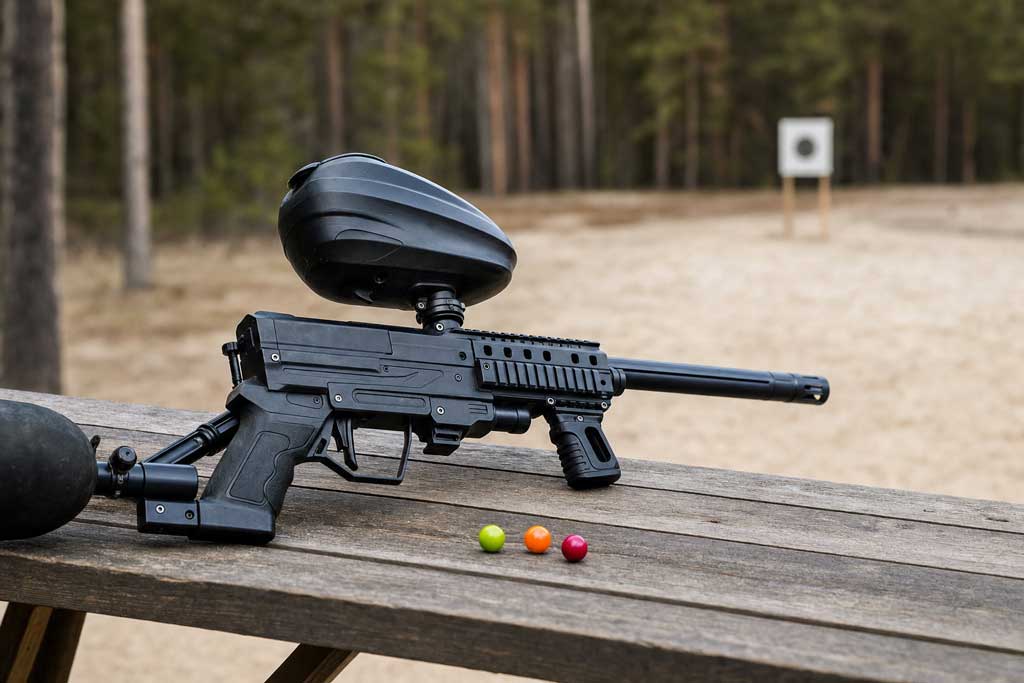 Many hunters experience a decline in shooting accuracy and field instincts after hunting season ends. Without consistent practice, key movement and reaction skills can diminish, affecting readiness when autumn returns. Incorporating scenario-based drills with electronic paintball markers offers a realistic and structured way to maintain decision-making, marksmanship, and tactical habits between seasons. For some teams, paintball machine guns add an extra layer of pressure that rewards disciplined burst control and smart positioning.
Transferring hunting skills through paintball drills
Paintball scenarios can effectively reinforce several core hunting skills. Drills focusing on rapid target acquisition, controlled movement to cover, and teamwork closely mirror the demands of actual hunting. Setting up exercises with “good” and “bad” targets under time pressure encourages field awareness and sharpens shot selection, enhancing the hunter’s ability to identify legitimate game when it counts most. When run with paintball machine guns, these lanes also reinforce communication and disciplined engagement windows.
Practicing with fast-paced, time-restricted drills also improves stress management and composure. Engaging multiple targets within seconds trains hunters to remain calm under pressure and adapt quickly to new variables. Although paintball markers do not exactly mimic a firearm’s ballistics or ethical stakes, they still provide the opportunity to rehearse safety habits, such as muzzle discipline and lateral movement, that are vital in real hunts. Choosing electronic paintball markers can make it easier to standardize rates of fire and replicate consistent training conditions. Understanding both the advantages and limitations of paintball in this context helps hunters set meaningful goals for their off-season routine.
Beyond basic marksmanship, paintball drills offer hunters the chance to refine their environmental awareness and decision-making under dynamic conditions. Incorporating natural terrain features such as brush, tree lines, and elevation changes into training scenarios helps replicate the unpredictable nature of actual hunting environments. Hunters can practice reading wind direction, using natural cover effectively, and adjusting their approach based on simulated game behavior. An automatic paintball gun can be useful here when drills require brief bursts before immediate movement to cover. These exercises develop the mental flexibility needed to adapt hunting strategies on the fly, whether stalking through dense woodland or positioning for a clear shot across open terrain. Regular exposure to varied scenarios builds confidence and reduces hesitation when real opportunities present themselves in the field.
Safety, etiquette, and responsible training habits
Upholding safety is essential whether training with paintball guns or firearms. Hunters must always wear proper eye and face protection during drills and establish clear boundaries for engagement, including minimum safe distances and careful shot selection. Treat all paintball markers with the same respect as a real hunting arm, especially when using full-auto features, by controlling bursts and never pointing at anything unintended. If using a fully automatic paintball gun, set agreed limits for burst length to reduce overshooting and keep scenarios ethical.
Clear and consistent communication among participants sustains both safety and realism during scenario drills. Using verbal signals and visual callouts ensures everyone is aware of the scenario’s boundaries, safe directions, and any breaks needed during play. Training with a focus on responsible handling, accurate identification of targets, and mindful movement builds habits that extend to actual hunting situations and supports ethical outdoor practices. Before each round, confirm that electronic paintball markers are set to the approved mode and that everyone understands the engagement rules.
Scenario types, practical drills, and gear recommendations
Building realistic scenarios into paintball training keeps drills relevant and transfers practical benefits to hunting. Still-hunting simulations that require moving quietly through cover, pausing at cues, and scanning for movement help develop patience and observational skills. Drills where one participant takes on the role of elusive game encourage tracking and reacquisition techniques, while rapid target transition exercises challenge hunters to adjust their shooting angles and footwork under pressure. When teams train with paintball machine guns, adding reload or lane-reset requirements can discourage spray-and-pray habits and reward measured decision-making.
When setting up these drills, it’s important to use gear suited to outdoor environments. Rugged “mil-sim” markers, adjustable electronic triggers, and fully automatic paintball gun models offer durability and mimic the handling feel of hunting firearms. Some participants also benefit from rotating in an automatic paintball gun to practice conserving paint while staying effective. Establish boundaries for engagement distances and set shot limits to emphasize accuracy, especially when incorporating paintball gunsinto off-season routines. Consistent scenario training not only sustains readiness but also reinforces a continual commitment to safety, discipline, and ethical outdoor conduct as hunters maintain their skills all year long.