
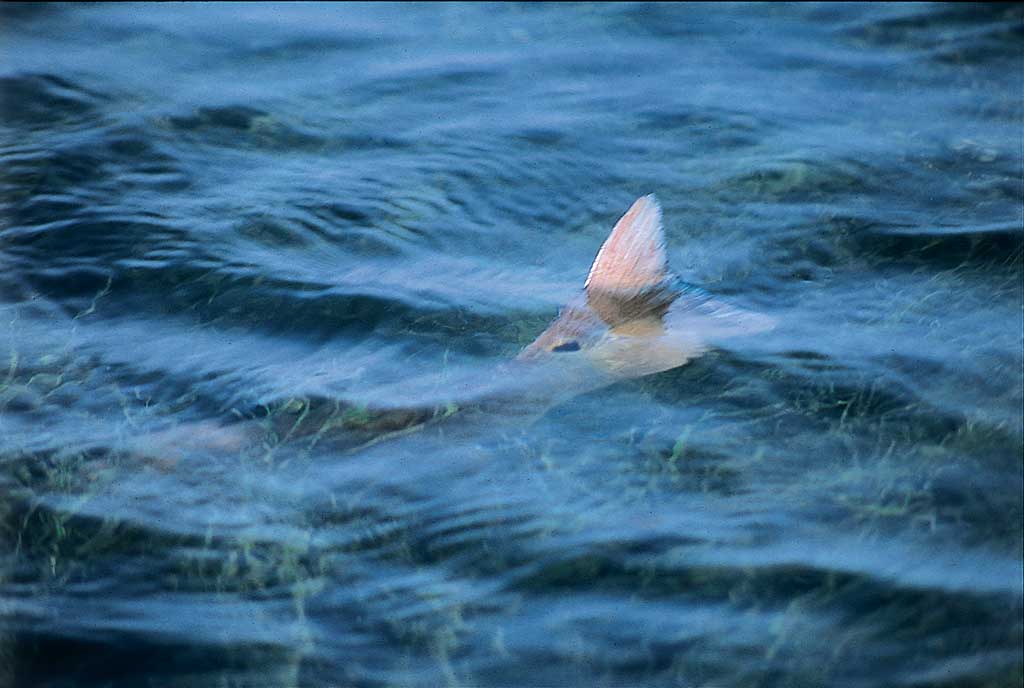
The marsh was waking up before sunrise.
A light southeast breeze pushed across the spartina grass while shrimp snapped along the shoreline like tiny firecrackers. Somewhere farther back in the flooded marsh, a redfish pushed a wake through water barely deep enough to cover its back.
This is the season many Texas coastal anglers wait for all year.
Late spring rolling into early summer transforms the bays and marshes along the Gulf Coast. Water temperatures rise, bait pours into shallow habitat, and predator fish spread across shorelines, grass flats, drains, and oyster structure. For fishermen willing to pay attention to subtle signs, this time of year can produce some of the best action of the season.
The key is understanding how fish use these environments.
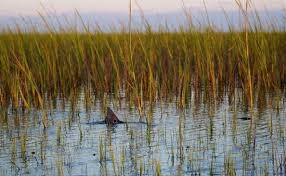
Marsh edges are natural feeding lanes. Rising tides flood shrimp and small baitfish into the grass. Falling tides pull them back out through drains and cuts where redfish, trout, and flounder wait in ambush. Some of the best action comes from simply positioning quietly near moving water and watching what the tide is doing.
Too many anglers rush through these areas. The marsh rewards patience.
A quiet approach matters in shallow water. Push poles, drifting, wading, or keeping a trolling motor on low can make a huge difference. Fish in skinny water feel vibration long before anglers ever see them.
Grass flats become especially productive during this period because they hold life. Finger mullet move through the grass. Shrimp skip across potholes. Small crabs crawl through the vegetation. Trout often cruise the deeper sand pockets while redfish roam the edges looking for an easy meal.
One thing experienced anglers learn quickly is that not all flats are equal. Small depth changes can completely alter fish activity. A depression only a few inches deeper than surrounding grass might hold feeding trout all morning.
Shorelines also become more consistent this time of year, especially those with a mix of current and structure. Wind-blown banks can be outstanding because wave action disorients baitfish and creates feeding opportunities. Shorelines with scattered shell, grass points, or small drains tend to hold fish longer than featureless banks.
A mistake many anglers make is casting directly at the shoreline every time. Often the better approach is working parallel to the bank, keeping the lure in the strike zone longer as fish cruise shallow water edges.
Oyster reefs remain prime structure through late spring and early summer. Trout suspend along deeper shell edges while redfish move across shallow sections during higher tides. Early mornings can produce excellent topwater bites around reef systems when bait is active near the surface.
Water movement is almost always the deciding factor. Strong tidal flow positions bait and activates feeding fish. Even a normally slow area can turn on when current starts moving through it.
A Few Reliable Late Spring Patterns
- Fish marsh drains on falling tides
- Work topwaters early over shallow grass
- Target potholes in seagrass flats
- Focus on wind-blown shorelines with bait activity
- Fish oyster reefs where current is strongest
- Slow down in shallow water and avoid excessive noise
The biggest lesson these coastal systems teach is that everything is connected.
Healthy marshes create healthy fisheries. Seagrass protects juvenile baitfish. Oyster reefs filter water and provide habitat. Marsh ponds serve as nurseries for shrimp, crabs, and countless forage species. The better these ecosystems function, the better the fishing becomes.
That is why protecting these areas matters.
Prop scars through grass flats may take years to heal. Running shorelines at high speed damages fragile marsh edges. Careless handling of fish during hot weather can reduce survival rates even when fish swim away.
Good anglers understand they are part of the resource, not separate from it.
On a calm Texas morning, standing knee-deep beside a flooded grass line while mullet flip in the distance and a trout crushes a topwater plug, it becomes obvious why these places matter so much.