
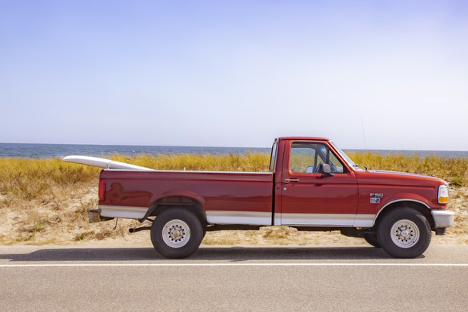
PLANNING A LONG HAUL in your pickup truck soon?
Need to move across the country? Going on a family vacation? Planning a weekend hunting trip? Pickup trucks were made to hit the open road. However…
A truck is not going to save you from being unprepared, tired or another reckless driver on the freeway.
Did you know that large trucks (including pickups) are involved in some of the most serious accidents every year on U.S. roads and highways? Rear-end accidents are particularly common — and they can cost you thousands of dollars in medical bills, lost wages and car damage. Pursuing a claim for a rear-end accident can become overwhelming quickly. That’s why hiring a Houston car accident lawyer is one of the best steps you can take after being struck from behind. A qualified lawyer will fight the insurance companies while you recover.
But the best rear-end collision claim is the one you never have to file.
That’s why every pickup owner should review the ultimate safety checklist prior to driving.
What you’ll uncover:
- Why Pickup Trucks Need Extra Care On Long Trips
- 6x Pre-Trip Safety Tips Every Owner Should Know
- What To Do After A Rear-End Collision Claim
Why Pickup Trucks Need Extra Care On Long Trips
Pickup trucks are durable. However, that durability can lead to complacency.
Here’s why pickups are different:
- They’re heavier — so they take longer to stop
- They have bigger blind spots than sedans
- They roll over more often than smaller cars
- Loaded beds change how the truck handles
Throw in fatigue, inclement weather and other drivers… You’ve got trouble.
Statistics don’t lie. According to a recent study by the AAA Foundation, 17.6% of fatal crashes are caused by a sleepy driver. That’s 1 in 5 people. Many of these occur during long road trips.
The good news?
Nine times out of ten pickup fails can be avoided completely with proper preparation. Here are some tips.
Inspect Your Truck Before Hitting The Road
This is the most overlooked safety tip out there.
Many pickup owners simply drive off without doing anything first. But taking a few minutes for a pre-trip inspection could prevent a breakdown — or worse — on the highway.
Here’s what to check:
- Tires: tread depth, pressure, and uneven wear
- Brakes: test them before you load up
- Fluids: oil, coolant, brake, and transmission
- Lights: headlights, taillights, brake lights, signals
- Wipers: replace them if they streak
Watch your tires very closely. Blowouts at highway speeds will send your truck careening out of control — and there’s little you can do to prevent it.
Bonus tip: Check the spare too. Most people forget about it for years.
Pack Properly And Secure Your Load
Pickups are for transporting goods. The way you load the bed makes more difference than you realize.
Why? Because a badly loaded bed will:
- Mess with your handling
- Reduce your braking power
- Create flying debris if items shift
Here’s how to load it right:
- Put heavy items in front of the rear axle
- Spread the weight evenly across the bed
- Strap everything down with ratchet straps (not bungee cords)
- Cover loose items with a tarp or cargo net
If you are towing a trailer, please double check your hitch and chains. Loose trailers have caused some of the worst pickup accidents ever.
Avoid Driver Fatigue On Long Hauls
Driver fatigue is the silent killer of road trips.
It really hits hard when you realize you’re getting really sleepy 6+ hours into a drive. And realize you didn’t even realize you were falling asleep.
Warning signs to look out for:
- Heavy eyelids and constant yawning
- Drifting between lanes
- Missing exits or signs
- Slow reaction times
The fix is simple: stop and rest. Don’t try to push through.
Here’s the rule of thumb:
- Stop every 2 hours or 100 miles
- Switch drivers when possible
- Get 7+ hours of sleep the night before
- Pull over and nap if you feel drowsy
- Don’t rely on caffeine alone
Keep A Safe Following Distance
This is where most rear-end collisions happen.
Pickup trucks require longer distances to stop than normal cars — particularly if you’re carrying something in the bed. Tailgating a truck is just asking for a disaster.
The 3-second rule works well for most conditions:
- Pick a fixed object ahead (like a sign or tree)
- When the car in front passes it, count “one-thousand-one, one-thousand-two, one-thousand-three”
- If you pass the marker before three seconds, you’re too close
In bad weather or heavy traffic, bump it up to 5 or 6 seconds.
Rear-end collisions make up 24% of all vehicular accidents. Approximately 2,200 people die and almost 1 million people are injured every year as a result. Majority? Entirely avoidable with proper following distance.
Plan For Bad Weather And Tough Terrain
Pickups fare well in inclement weather better than most other cars. However, that doesn’t mean you should tempt fate.
Look at the weather forecast before you go. If there is a severe storm advisory, you may want to postpone the trip.
If you have to drive through bad weather:
- Slow down — way down
- Turn on your headlights
- Increase your following distance
- Avoid sudden steering or braking
- Pull over if visibility drops too low
Use low gear to coast downhill in the mountains. This will help you conserve your brakes. Also, always keep an emergency kit: flashlight, water, blankets, jumper cables and a simple tool kit.
What To Do After A Rear-End Collision Claim
Sometimes accidents happen no matter how careful you are.
If you get rear-ended on the road, here’s the right move:
- Get your truck to safety and call 911
- Take photos of the damage, scene, and other vehicle
- Get the other driver’s insurance and license info
- Grab a copy of the police report
- See a doctor — even if you feel fine
- Talk to a personal injury attorney before signing anything
A rear-end collision claim can get messy fast.
Insurance companies will lowball you and make you feel like it’s your fault. The other driver may say you brake checked them. They may even say the damage was already on your car. Don’t face them alone.
A good attorney handles the insurance side and fights for what you’re owed.
Final Thoughts
Pickup trucks are ideal vehicles for extended road trips. They have the horsepower, cargo room and durability that smaller vehicles lack. Safe driving practices should still be followed though.
Here’s a quick recap:
- Inspect your truck before every long trip
- Pack and secure your load the right way
- Take breaks every 2 hours to avoid fatigue
- Keep an extra-safe following distance
- Plan for weather and tough roads
- Know what to do if you get into an accident
If you follow these tips, you will cut your chances of being in an accident in half… if not by more. But should the unlucky day come where someone rear ends you, you’ll know how to deal with your rear end collision claim.
Stay safe out there.