
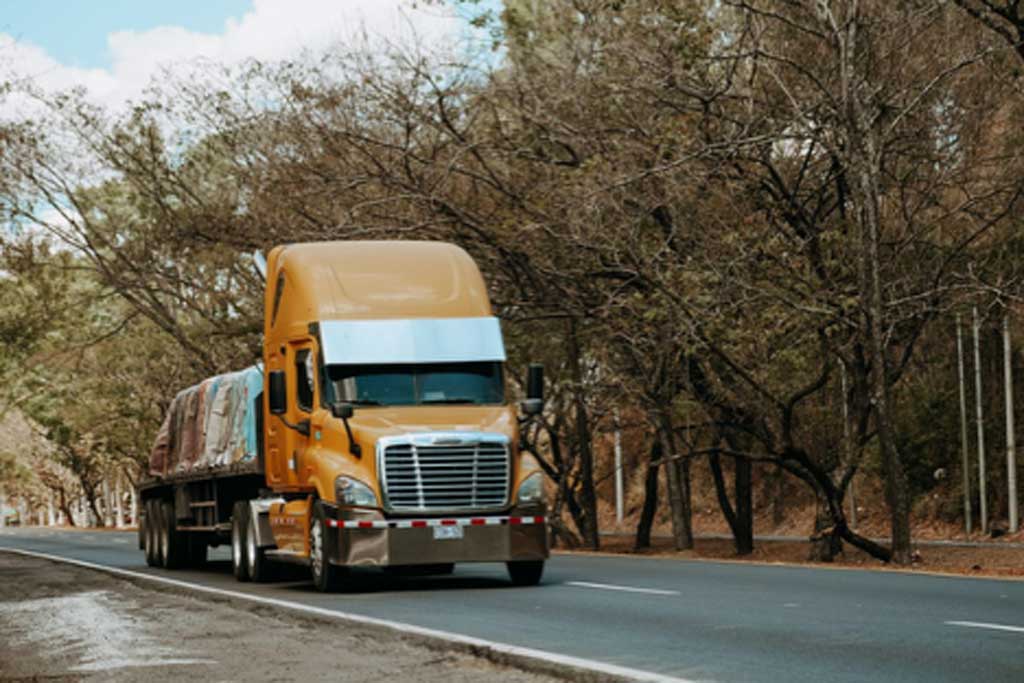
Ever felt your stomach drop when a massive 18-wheeler rolls up right beside you?
You are not alone in this. Driving around big rigs can be totally terrifying, and honestly, it’s for a good reason. Those things are huge, they weigh multiple tons, and they don’t just stop immediately. One wrong move around them can turn your drive into a catastrophe.
Here’s a statistic you can’t ignore. Back in 2024, 5,218 large trucks were involved in fatal crashes on American roadways.
That’s no insignificant number. Thousands of families were turned upside down in just one year.
But here’s the encouraging part…
Most of these crashes are preventable. Knowing just a few defensive driving techniques can significantly reduce your risk of running into trouble with big trucks. And should the worst ever occur, knowing how to act after a truck accident will preserve your health, your finances and your sanity.
Truck accident claims can turn complex very quickly. Lawyers representing the trucking company will work very hard to protect their interests. When the smoke clears and you’re faced with insurance adjusters and mountains of paperwork, a Dallas semi truck accident lawyer can help you sort through it.
So, here’s how you stay safe out there…
Here’s What’s Ahead:
- Why Big Rigs Are A Whole Different Beast
- The Smart Way To Share The Road
- The Right Steps After A Truck Accident
Why Big Rigs Are A Whole Different Beast
An 80,000 pound Semi fully loaded is the upper limit. Your vehicle? Probably around 3,500 pounds.
That size disparity matters. Physics dictates that when a truck and a passenger vehicle collide, it’s gruesome math. Literally 70% of people killed in large-truck crashes were in the other vehicle.
REPEAT. Those who receive the most life altering injuries are YOUR average drivers.
Trucks take much longer to come to a complete stop. They also have massive blind spots. And they can’t swerve like your car without risking a deadly rollover. Once you really understand how differently they operate you will automatically respect them more.
Stay Out Of The Blind Spots
Truckers call them “No-Zones” for a reason.
A semi has four large blind spots: in front of the truck, behind the truck, and on both sides of the truck (the right side is by far the largest). If you can’t see the driver’s face in their side mirror, guess what? They can’t see you either.
Easy fix. Avoid spending any unnecessary time there. Travel through it as fast as possible OR fall back. NEVER stay put where the driver can’t see you.
That’s why you see so many deadly accidents occur. Your car is driving along where the trucker can not see you, the trucker moves into your lane and just like that you have an accident no one could predict. Stay visible, and keep staying visible.
Keep A Cushion Of Space
Tailgating is never a good idea. Tailgating a semi is begging for disaster.
If that truck slams on their brakes you have almost ZERO time to respond. Worst of all you cannot see what’s in front of you because the trailer obstructs your view. So leave yourself space and keep your eyes scanning.
The same rule applies at the front of the truck as it does at the rear. Avoid braking hard in front of trucks. A truck that is fully loaded can take the distance of a football field to stop. Don’t give yourself that much room.
Rule of thumb for following distance? Stay at least four seconds behind a big truck. Longer if the weather is inclement.
Pass Quickly And Pass Smart
Passing a semi isn’t the moment to dawdle.
Passing one, always pass on the driver’s side (smaller blind spot). Maintain speed and pass cleanly. Avoid lingering alongside the trailer any longer than you have to. That is the most vulnerable position to be in.
And before you move back over? Ensure that you can see the whole truck in your rearview mirror. That means there is enough room for you to squeeze back in front of them without crowding them.
Also watch for wide turns. Trucks will drift to the left before turning right. Never try to pass one on the right when they are turning. That small opening will close up quickly and you don’t want to be in it.
Mind The Weather And The Clock
Two things make truck driving extra dangerous: terrible weather and exhausted drivers.
Rain, fog, and ice can be dangerous for everyone but it’s deadly behind the wheel of an 80,000 pound rig that requires additional distance to come to a stop. If the roads get slippery, slow down and allow trucks more room than you normally would.
Driver fatigue is the other silent killer. Many drivers are forced to run long grueling hauls on strict deadlines and a sleepy driver driving that much metal is a scary thought. If you see a truck weaving between lanes or braking inconsistently, don’t drive beside it. Pass it and get ahead of it, or fall back well. Trust your gut feeling.
The Right Steps After A Truck Accident
Accidents happen to even the most defensive drivers. But if you do find yourself in one with a semi, read exactly what to do.
Begin by assessing yourself and your passengers for injuries. If possible, move to a safe location. Call 911. In the event of a truck accident, you will generally want to request police and ambulance assistance.
Next, gather whatever you can:
- Photos of the vehicles, the damage, and the road
- The truck driver’s name, company, and insurance details
- Names and numbers of any witnesses
Then go to the doctor, even if you feel okay. Some serious injuries can lay dormant for days before they surface.
One…Do Not Say. This is probably the biggest one that most people don’t think about. Watch VERY carefully what you say. Don’t admit guilt, and don’t accept a quick settlement from the trucking company’s insurance company. Insurance companies have whole departments dedicated to paying you the lowest amount possible. Understanding what to do after a truck accident prevents you from making an expensive mistake when you’re shaken up.
Bringing It All Home
Driving around big semi trucks doesn’t have to be scary. It just requires some common sense and a few good practices.
Give them room. Avoid their No Zones. Pass for a reason. Take the weather seriously. And never drive like you’re in a hurry. If you follow these tips, you’ll avoid most truck troubles before they happen.
However, if something were to happen and an accident were to occur, remember to keep your cool and remember the steps listed above on what to do after a truck accident. Your well-being is the number one priority and there is always help available.
Keep your eyes peeled! That road is a lot nicer when you give those big trucks their space.