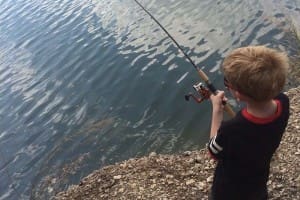
Long before most people are awake, anglers are already on the water. They’re easing a boat into a quiet reservoir, slipping through a salt marsh at first light or walking the bank of a neighborhood pond with a child whose eyes are filled with anticipation.
Many of them probably don’t think of themselves as conservationists.
They should.
One of the greatest strengths of the North American Model of Wildlife Conservation is that it recognizes wildlife belongs to all of us—not kings, corporations or the wealthy few. That philosophy transformed America from a nation where many wildlife populations were in serious decline into one of the greatest conservation success stories the world has ever seen. While hunters are often recognized for their role in funding conservation, anglers have quietly been just as important.
Every fishing license purchased and every excise tax paid on rods, reels, tackle and boating equipment helps fund fisheries research, habitat restoration, boat ramps, access areas and aquatic education through programs supported by the federal Sport Fish Restoration Act. Millions of fishermen have invested in conservation, often without giving it a second thought.
But the greatest contribution an angler can make isn’t measured in dollars.
It’s measured in stewardship.
Every decision on the water matters. Keeping a few fish for a family meal has always been part of our outdoor heritage, but knowing when to let a fish swim away is equally important. Trophy-sized fish aren’t simply impressive catches. They are proven survivors carrying valuable genetics that help strengthen future generations. Releasing those fish—especially when handled properly—can pay conservation dividends for years.
Good fish handling has become one of the simplest ways anglers can improve survival. Using tackle heavy enough to land fish quickly, wetting your hands before handling them, keeping them in the water whenever possible and choosing circle hooks when fishing natural bait are all small actions that collectively save countless fish every year.
Conservation also extends far beyond the fish themselves.
Healthy fisheries depend on healthy habitat. Every piece of discarded fishing line picked up at a boat ramp, every shoreline cleanup, every marsh restoration project and every effort to protect clean water benefits not only fish but countless other species that share those ecosystems. Whether it’s a mountain trout stream, a Texas reservoir or a Gulf Coast estuary, habitat is the foundation upon which every great fishery is built.
Anglers are also among the nation’s most valuable citizen scientists.
They spend thousands of hours on the water every year and are often the first to notice invasive species, fish kills, pollution events or unusual fish behavior. Reporting those observations to wildlife agencies gives fisheries biologists valuable information they simply couldn’t gather on their own. Conservation works best when professionals and the public work together.
Perhaps the most important thing an angler can do, however, is pass the tradition along.
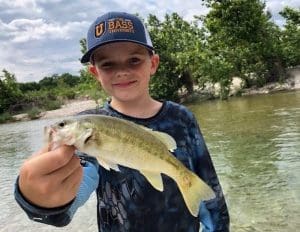
A youngster’s first bluegill or a family’s first redfish creates something much larger than a memory. It creates a connection. People fight to protect what they love, and few experiences build that bond like catching a fish in wild water.
America’s fisheries didn’t become world-class by accident. They are the product of generations of citizens who believed wildlife was worth protecting and who backed that belief with action. Today’s anglers inherit not only incredible opportunities but also the responsibility to ensure those opportunities remain for the next generation.
Every cast carries that responsibility.
Whether you’re releasing a trophy largemouth, volunteering for a habitat project, reporting a pollution problem or simply teaching a child to tie on their first hook, you’re participating in one of the greatest conservation traditions in the world.
The future of America’s fisheries won’t be determined only in legislative chambers or research labs. It will also be written at sunrise by ordinary anglers who understand that conservation isn’t someone else’s job.
It’s theirs.