
Spend enough time around accomplished saltwater anglers and you’ll notice they have something in common. They don’t simply cast toward an oyster reef, marsh point or shoreline that “looks fishy.” They’re constantly watching the water itself—not just the color or depth, but the current.
Current is one of the few universal languages in fishing, but nowhere does it shape fish behavior more dramatically than in saltwater. Every tide cycle, every sustained wind and even the movement of large ships through busy channels creates water movement that influences where bait gathers and where predators position themselves. Learn to understand that movement, and you’ll begin seeing bays, marshes and coastal waters in an entirely different way.
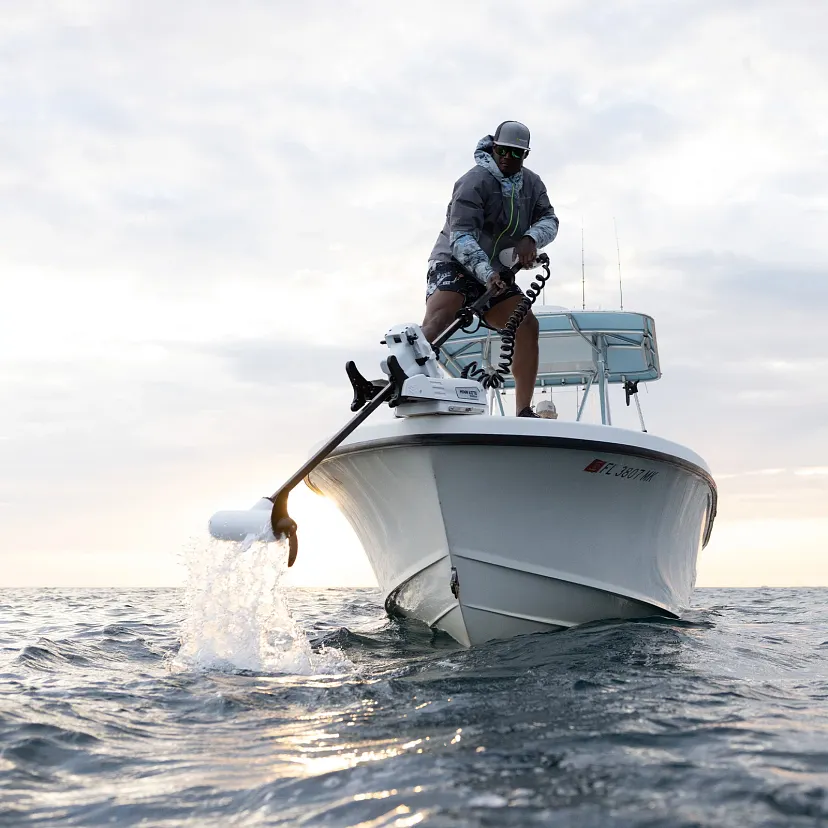
See how the Minn Kota Riptide Terrova can make a difference in your coastal fishing.
Fish don’t fight current unless they have to. That simple truth explains countless mysteries beneath the surface. A predator’s life is built around efficiency. Every unnecessary burst of energy burns calories that have to be replaced, which is why gamefish spend so much time searching for places where they can rest comfortably while allowing food to come to them. They’re not wandering aimlessly across a flat any more than a mature buck wanders randomly through the woods. Like a deer hunter looking for a funnel, predators position themselves where food naturally passes within easy reach.
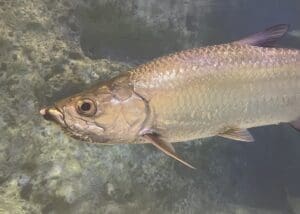
Moving water creates those funnels. An oyster reef isn’t just a collection of shells. It changes the flow of water. Current accelerates around the edges while softer water develops behind it. Speckled trout often settle into those protected pockets, slipping only a short distance into the stronger flow when shrimp or baitfish drift by. Redfish use the same strategy around shell banks, marsh points and grass edges. Snook do it beside bridge pilings. Tarpon do it along passes where tidal current sweeps bait toward the Gulf. The structure changes, but the principle never does. Fish are drawn less to the object itself than to the way it influences moving water.
Perhaps nowhere is this easier to observe than in a marsh during a falling tide. As water drains from flooded marshes, shrimp, finger mullet, mud minnows and small crabs are funneled through narrow bayous and drains into deeper water. Redfish often hold just outside the strongest flow, conserving energy while an endless buffet comes to them. Speckled trout frequently stage nearby, especially where shell or scattered grass provides additional ambush cover. The best anglers don’t simply fish marsh drains; they fish the current coming through those drains.
The same principle applies along jetties, passes, bridge pilings and reefs where moving water concentrates forage. Notice how fish often position themselves just outside the fastest current instead of directly in it. They let the current deliver the meal while they wait in softer water that requires far less effort to hold. One of the biggest mistakes anglers make is casting directly into the strongest current every time. Often, the better presentation comes from working a lure across the seam where fast and slow water meet, allowing it to stay in the strike zone longer and move naturally with the flow.
Tides drive much of that movement, but they’re far from the only source of productive current. Wind often creates feeding opportunities that many anglers overlook. A steady southeast wind blowing across a bay for several hours can push water against a shoreline, grass flat or point, concentrating plankton and other microscopic organisms. Baitfish follow that food source, and predators follow the bait. Many anglers avoid windblown shorelines because boat control becomes difficult, but experienced fishermen often head straight for them because they know moving water creates opportunity.
Even vessel traffic can become a feeding trigger. Anyone who spends time fishing near the Gulf Intracoastal Waterway or major shipping channels has watched the water come alive after a tugboat or cargo ship passes. The displacement of water creates temporary current that pulls bait from shoreline grass, marsh edges and riprap. Shrimp are flushed into open water, baitfish become disoriented and predators quickly capitalize on the opportunity. Those feeding windows may only last a few minutes, but anglers who recognize what’s happening can experience outstanding action while others never realize why the bite suddenly turned on.
One lesson separates consistently successful anglers from those who simply hope for the best. They observe before they cast. Floating grass, foam lines, slicks and even drifting debris reveal current seams that are invisible to casual observers. Nervous mullet, shrimp skipping across the surface and diving birds often point directly to active feeding fish. Nature constantly paints a picture of what’s happening beneath the surface for anglers willing to slow down and read it.
Understanding current, however, is only half the equation. Fishing it effectively requires precise boat control. Whether you’re holding just outside a marsh drain during a falling tide, easing along a windblown shoreline, working the edge of a jetty or staying positioned beside an oyster reef, every few feet matter. If the wind or tide constantly pushes the boat off line, your lure spends less time in the strike zone and more time out of position.
That’s where the Minn Kota Riptide Terrova becomes such an important tool for serious saltwater anglers. Built specifically for harsh marine environments, it provides the precise control needed to fish current instead of constantly fighting it. Spot-Lock allows you to hold position over a productive reef, bridge, marsh drain or pass while the water continues moving beneath the boat. AutoPilot helps maintain a consistent track along shorelines, jetties and grass edges despite changing wind and tide, allowing you to focus on reading the water instead of constantly making steering corrections.
Technology will never replace water knowledge, but it can help anglers put that knowledge to better use. The fishermen who consistently catch fish are still the ones who understand how tides, wind and moving water position bait and predators. They recognize current seams, anticipate feeding lanes and know where fish are likely to set up before making the first cast. The Minn Kota Riptide Terrova simply gives them the ability to stay exactly where they need to be, because in saltwater fishing success isn’t just about finding structure. It’s about finding the current that brings that structure to life and maintaining the boat control to fish it with precision.