
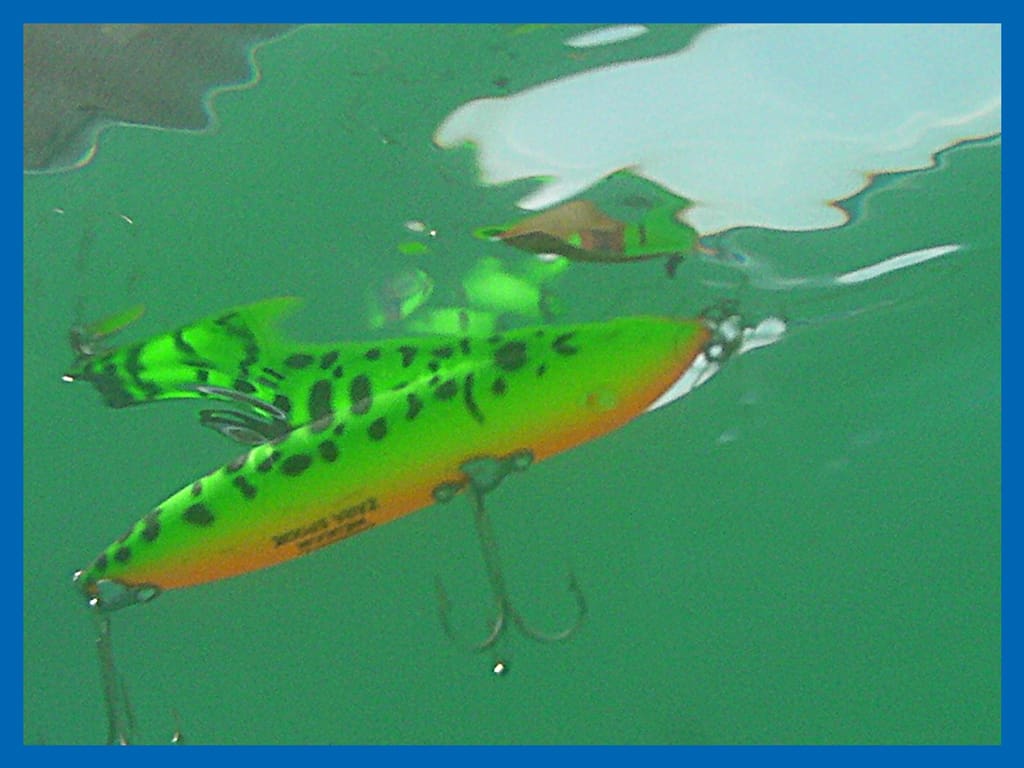
Every angler has experienced it. You pull up to a favorite fishing spot with confidence because you caught fish there a week earlier, only to discover the water looks completely different. Maybe a heavy rain has turned it muddy, a strong wind has stained the shoreline, or several days of calm weather have left it unusually clear. You make the same casts with the same lures, but the fish seem to have vanished.
In reality, they probably haven’t gone anywhere. They’ve simply adjusted to changing conditions, and successful anglers learn to adjust with them.
Reading water clarity is one of the most valuable skills an angler can develop, yet it’s often overlooked in favor of the latest lure or electronic gadget. Whether you’re targeting bass on a Texas reservoir, crappie in a flooded creek, speckled trout over a grass flat, or redfish cruising a marsh shoreline, understanding how fish react to different water conditions will make you a more consistent angler.
Clear water presents one set of challenges. Fish have the advantage of seeing great distances, which means they also have more time to inspect your presentation. That’s why subtle, natural-colored lures often shine when visibility is several feet or more. Matching the local forage becomes increasingly important, and long casts can keep your boat or shoreline presence from alerting wary fish before your lure ever reaches them.
Many anglers also fish too fast in clear water. When fish can study a bait from several feet away, slowing down often pays dividends. A soft plastic worked deliberately, a suspending jerkbait paused just a little longer, or a jig crawled methodically across the bottom can produce strikes from fish that ignore faster-moving offerings. Along the coast, clear water can create outstanding sight-fishing opportunities for redfish, while trout roaming seagrass flats often respond best to presentations that closely imitate the bait they feed on every day.
Lightly stained water, however, is where many experienced anglers feel the odds swing in their favor. Water with one to three feet of visibility gives predators enough vision to hunt effectively while providing just enough cover to make them less cautious. It is no coincidence that some of the best days on Texas lakes and bays come when the water has just a little color.
Those conditions open the door for a wide variety of presentations. Spinnerbaits, chatterbaits, squarebill crankbaits, paddletail swimbaits, topwaters, and gold spoons all become excellent choices because fish can locate them without scrutinizing every detail. Stained water also allows anglers to get a little closer and fish a bit more aggressively without spooking every fish in the area.
That doesn’t mean muddy water should automatically send you looking for another boat ramp. Fish still have to feed, even when visibility is measured in inches instead of feet. The key is understanding that they rely less on sight and more on vibration, sound, and instinct. Lures that displace water or produce strong vibration often outperform finesse presentations under these conditions. A spinnerbait with a large Colorado blade, a rattling crankbait, or a bulky soft plastic can help fish locate your offering when they can’t see it until the last moment.
The smartest move isn’t always fishing the muddiest water available. Instead, look for transition areas where stained water meets cleaner water. Those seams often concentrate baitfish and create natural ambush points for predators. The same principle applies on reservoirs after heavy runoff and along the coast where incoming tides push cleaner Gulf water against sediment-laden marsh drains.
Water color also tells a story beyond simple visibility. Reservoirs with a healthy green tint often indicate productive plankton blooms that support thriving baitfish populations. Brown water frequently reflects recent runoff that carries nutrients into the system, while the tea-colored water common to many East Texas rivers filters sunlight differently than either. Learning what those colors mean on your home waters can provide valuable clues before you ever make your first cast.
Learn how to read what’s under the water.
Some of the finest anglers I’ve shared a boat with spend several minutes simply observing before they ever pick up a rod. They watch the direction of the wind, study the color of the water, look for baitfish dimpling the surface, and notice how far they can see beneath the waterline. Those observations influence every decision that follows, from lure selection to where they position the boat.
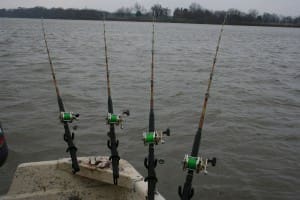
Fishing success rarely comes from one magic lure or secret technique. More often, it comes from understanding the conditions and making small adjustments that put the odds in your favor. Water clarity is one of nature’s most important clues, and anglers who learn to read it soon discover they spend less time wondering where the fish went and more time catching them.
The next time you launch the boat or step onto the bank, don’t make your first decision by opening the tackle box. Start by reading the water. It has a story to tell, and if you learn to understand it, you’ll find it leads to more fish, whether you’re casting into a quiet farm pond, a sprawling Texas reservoir, or a windswept flat along the Gulf Coast.