
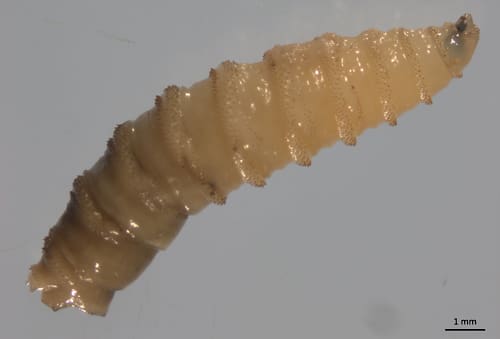
The New World screwworm outbreak in Texas continues to demand the attention of ranchers, hunters, wildlife managers, and anyone who spends time on the land. According to the latest update from the U.S. Department of Agriculture’s Animal and Plant Health Inspection Service (APHIS), Texas has now recorded 41 confirmed cases across 15 counties, while one additional case has been confirmed in Lea County, New Mexico, bringing the U.S. total to 42 confirmed cases.
The affected Texas counties are Crockett, Dimmit, Edwards, Gillespie, Jim Hogg, La Salle, Maverick, Medina, Pecos, Sutton, Terrell, Tom Green, Uvalde, Val Verde, and Zavala. Most of the detections remain concentrated in South and Southwest Texas, where federal and state officials continue intensive surveillance and response efforts.
Go deep on screwworms with legendary whitetail biologsit-expert Larry Weishuhn.
Although the numbers have continued to climb, there is encouraging news. The pace of new infections has slowed compared to earlier this summer, suggesting aggressive containment efforts may be having an impact. USDA has dramatically increased the release of sterile male screwworm flies across affected areas. Because female screwworm flies mate only once, breeding with sterile males prevents reproduction and gradually reduces the population. The same strategy successfully eradicated the parasite from the United States decades ago and remains the primary tool in the current response.
Unlike ordinary maggots that feed on dead tissue, New World screwworm larvae attack healthy, living flesh. Adult flies lay eggs in open wounds, and after hatching the larvae burrow into living tissue, enlarging wounds and causing severe infections that can become fatal if left untreated. Livestock including cattle, sheep, goats, and horses are vulnerable, but so are white-tailed deer, exotic game animals, feral hogs, and many other wildlife species.
Listen to the Dark Outdoors Podcast episode where we talk about the little-known 2016 srewworm outbreak in the Florida Keys.
Listen here:
🎧 Spotify: https://open.spotify.com/episode/4Y4mQLW7xVHaYZeFVc2IoY?si=c52dec8f78b247b3
🍎 Apple Podcasts: https://podcasts.apple.com/nz/podcast/the-key-deer-the-screwworm/id1630809603?i=1000774806779
The outbreak has created understandable concern throughout the outdoor community because of its potential impact on both agriculture and wildlife. Texas has invested heavily in restoring populations of species such as desert bighorn sheep, and wildlife professionals are monitoring free-ranging animals closely for signs of infestation. History has shown that screwworm outbreaks can significantly affect wildlife populations if left unchecked.
Hunters can play an important role in the response. Anyone harvesting deer, feral hogs, or exotic game should examine animals carefully for unusual wounds containing masses of larvae. Ranchers should inspect livestock frequently, especially animals with fresh injuries, branding wounds, ear tag sites, castration wounds, or newborn calves with healing navels. Early detection remains one of the best defenses against further spread.
USDA officials continue expanding sterile fly production while working with state animal health officials to monitor new detections and respond quickly to suspected cases. While no one is declaring victory, the slower pace of new infections offers cautious optimism that the combination of surveillance, rapid treatment, and sterile fly releases is beginning to slow the parasite’s advance.
For Texans who work the land or enjoy the outdoors, vigilance remains essential. Promptly reporting suspicious wounds and following recommended biosecurity practices will help protect livestock, wildlife, and the state’s hunting heritage as the battle against New World screwworm continues.