
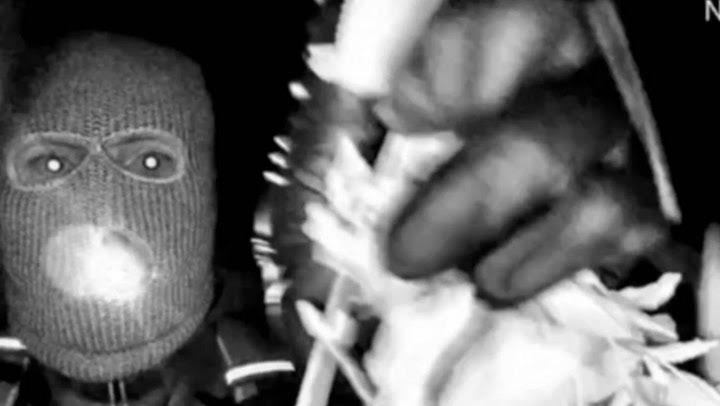
The investigation into the disappearance and suspected murder of Arizona woman Nancy Guthrie is more than another true crime story. For those of us who spend time on ranches, hunting leases, fishing camps and other remote places, it offers sobering lessons about a new generation of predators—criminals who may use technology, planning and isolation as effectively as they once relied on brute force.
That was the focus of a recent episode of my award-winning Dark Outdoors podcast with Texas-based researcher Daniel of the Drunk Turkey Show. While we revisited key aspects of the Nancy Guthrie investigation, our conversation went much further. We discussed what the case may reveal about a new generation of predators, how technology and isolation can create opportunities for criminals, and—most importantly—what hunters, anglers, ranchers and rural landowners can do to better protect themselves, their families and their property.
Listen to this full episode on Dark Outdoors on Apple Podcasts
https://podcasts.apple.com/us/podcast/the-desert-hides-secrets-nancy-guthrie-isolation/id1630809603
Or Listen on Spotify:
https://open.spotify.com/episode/0dzLBp3swKpgYKV0zEhhhI
For generations, Texans have learned to prepare for the obvious dangers of the outdoors. We lock our gates, secure our ATVs and tractors, protect livestock from predators and teach our children to respect rattlesnakes and changing weather. Those lessons remain important. But the Guthrie case reminds us that one of the greatest threats to people who spend time in remote places may not walk on four legs.
Many hunting camps and weekend cabins sit empty for days or even weeks. Ranch headquarters may be miles from the nearest neighbor. Cell service can be unreliable, and law enforcement response times are naturally longer than they are in town. Those same qualities that make these places peaceful and attractive to outdoorsmen can also make them attractive to criminals looking for opportunity.
One of the biggest lessons from our discussion was that today’s criminals often think differently than those of previous generations. Instead of relying solely on force or intimidation, some carefully study routines, monitor social media, use technology to gather information and exploit predictable habits. They may know when a property is vacant or when its owners are expected to arrive before the owners even realize they’ve shared that information.
That makes protecting yourself about much more than locks and fences.
One of the simplest changes rural landowners can make is avoiding predictable routines. If you always drive to your deer lease every Friday afternoon, leave every Sunday evening and post photos online while you’re still there, you’ve unintentionally created a schedule that someone else could follow. Waiting until you return home to share your hunting success or family fishing trip is a small step that can reduce unnecessary risk.
Technology, fortunately, works both ways.
Modern cellular trail cameras have become valuable security tools in addition to helping hunters inventory wildlife. Cameras positioned at entrances, equipment sheds or remote roads can alert landowners when unexpected visitors arrive. Solar-powered lighting, remote security cameras and alarm systems designed for rural properties continue to become more affordable and more reliable each year.
Communication is another overlooked layer of security. Let family members know when you’ll be arriving at or leaving remote property. If you’re hunting alone or checking livestock, tell someone where you’ll be and when you expect to return. In areas with poor cellular coverage, consider carrying an emergency satellite communicator rather than assuming your phone will always work.
Our conversation also touched on something every experienced outdoorsman understands instinctively: situational awareness.
Hunters notice details. Fresh tire tracks where none existed last weekend. A gate that’s standing open. Footprints around a feeder. A strange vehicle parked along a county road. Those same observation skills that help us locate game animals can become valuable tools for recognizing when something simply doesn’t look right.
If your instincts tell you something is off, don’t dismiss the feeling simply because you’re on familiar ground. Rural properties often provide a false sense of security because they feel isolated and peaceful. Unfortunately, isolation can work in favor of criminals as easily as it works in favor of wildlife.
None of this should discourage anyone from enjoying the outdoors.
The overwhelming majority of Texans will never encounter violent crime at a hunting lease or fishing camp. But preparation isn’t paranoia. We carry first-aid kits because accidents happen. We wear snake boots because venomous snakes exist. We monitor weather forecasts before heading offshore because conditions can change quickly. Personal security deserves that same practical approach.
As someone who has spent decades writing about dangerous wildlife, I’ve learned that understanding risk rarely takes away from an outdoor experience. In fact, preparation usually gives you greater confidence to enjoy it.
The Nancy Guthrie investigation serves as a reminder that while predators in the outdoors have always existed, some of the most dangerous ones are human. Recognizing how they think, limiting opportunities they can exploit and making a few common-sense changes can go a long way toward protecting yourself, your family and your property.
Chester Moore