
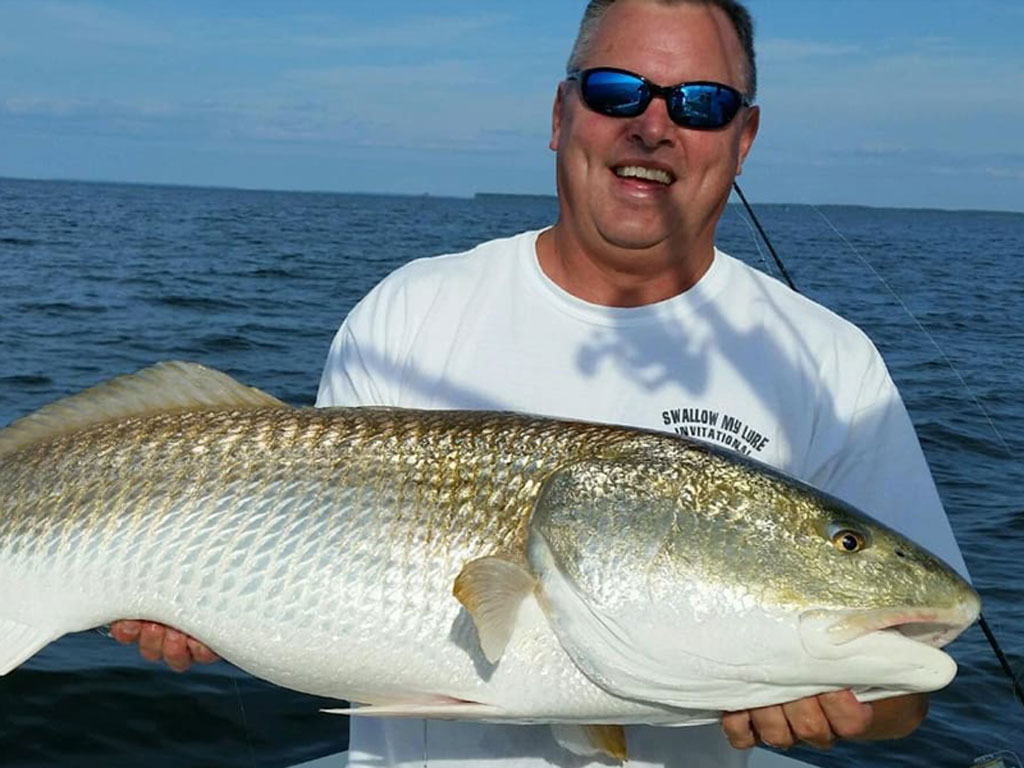
The Texas beachfront is an ecosystem in motion. Menhaden schools shift with currents, mullet travel the surf zone and smaller forage gathers wherever conditions concentrate food. Somewhere along that constantly changing line between the beach and open Gulf, bull redfish, king mackerel and tarpon may be hunting.
For boat anglers, that’s what makes the nearshore Gulf such an exciting place to fish during the heat of summer. You aren’t anchored up waiting for something to happen. Running the beachfront allows anglers to cover water, watch for diving birds, find concentrations of bait and intercept schools of feeding predators.
And while several species can make an appearance, bull redfish offer one of the best opportunities for anglers who want to leave the bait at home and catch something truly big on a lure.
Suzuki Marine’s Clean Ocean Project is a global conservation initiative focused on reducing plastic waste and protecting marine environments. The program includes shoreline and waterway cleanups, reducing plastic packaging and innovative technology designed to collect microplastics from the water.
Hunt the Beachfront From the Boat
Mobility is the greatest advantage a boat gives an angler in this fishery. Instead of choosing a spot and hoping fish eventually move through, run parallel to the beachfront and constantly look for signs of life.
Diving gulls and terns are obvious targets, but don’t become so focused on birds that you miss everything else happening around you. Watch for flipping menhaden, showering baitfish, slicks forming on the surface and areas where the water suddenly seems nervous. On calm mornings, feeding bull reds can push wakes or create an obvious disturbance as an entire school drives bait toward the surface.
Sometimes the Gulf simply explodes. Birds appear from nowhere, bait starts spraying and big bronze fish begin ripping through the school. That’s when lure fishing for bull reds gets interesting.
Resist the temptation to run the boat straight into the melee. Determine which direction the fish are moving, get ahead of them and shut down the outboard when possible. A trolling motor allows you to make the final approach quietly and stay with a school without constantly firing up the big motor. Get within casting range and let the lures fly.
Lures for Gulf Bulls
Bull reds are not delicate feeders when they are attacking a school of menhaden. This is the place for substantial tackle and lures that cast far, produce vibration or flash and can be worked throughout the water column.
A heavy spoon is difficult to beat. Gold is a Texas redfish standard, but silver and other flashy finishes can be excellent when reds are feeding on menhaden in clear Gulf water. Spoons allow anglers to make extremely long casts and cover water quickly, which is important when a school is constantly changing direction.
Large paddletails on stout jigheads are another top choice. Match the general size of the forage, but don’t become obsessed with perfect imitation. A feeding bull red is often reacting to movement, vibration and an easy opportunity. Bucktail jigs can also be deadly when fish are deeper, particularly when electronics reveal reds underneath bait that has disappeared from the surface.
And don’t overlook topwaters. A big topwater isn’t necessarily the most efficient way to catch a bull red, but efficiency isn’t always the point. When a school of big reds is actively feeding near the surface, throw a substantial plug across the edge of the action and work it aggressively. Watching a redfish weighing several dozen pounds push water behind a topwater and then crush it is one of the most exciting strikes available on the Texas coast.
When the Birds Disappear
Birds can put you on fish quickly, but successful beachfront anglers learn not to depend on them. A school of reds may push bait to the surface for several minutes and then disappear, but that doesn’t necessarily mean the fish left.
Watch the electronics. If bait is stacked beneath the boat or large marks appear below it, drop a spoon, bucktail or heavy paddletail through the school. Sometimes the fish that were exploding on the surface five minutes earlier are now feeding 15 or 20 feet down.
Fresh slicks can provide another clue. Predators crushing oily baitfish such as menhaden can create slicks that rise to the surface, and a fresh slick around an area already holding bait deserves attention, especially if birds recently worked there.
The entire idea is to keep putting pieces together. Birds, bait, slicks and electronics each tell you something, and the boat gives you the ability to investigate all of it.
Kings in the Mix
While hunting bull reds, keep another predator in mind: king mackerel. Kings are among the great summer game fish of the Texas Gulf, and the same concentrations of bait that attract redfish can bring kings screaming into the picture.
They change the personality of the fishing immediately. A bull red usually digs, pulls and uses its weight, while a kingfish can hit a lure and disappear with line at a speed that makes you wonder whether the reel is going to survive.
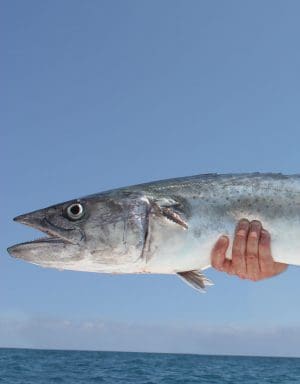
Spoons are excellent because they can catch both species. Let one sink and work it around deeper marks for reds, or burn it through the upper water column when kings are slashing bait. Diving plugs, jigs and other flashy offerings also produce.
If kings are obviously present, remember the teeth. A king can sever ordinary leader material instantly, so anglers specifically targeting them should adjust terminal tackle accordingly. Watch outside the main concentration of birds, too. Kings frequently slash through scattered bait around the edges, and a skyrocketing kingfish can reveal their presence long before one eats your lure.
Keep Looking for Silver
There is one more reason to keep your eyes on the Gulf while running the beachfront: tarpon.
Summer brings opportunities for tarpon along the Texas coast, and boat anglers have the advantage of being able to cover water until they locate rolling or feeding fish. A tarpon rolling at the surface is hard to mistake once you’ve learned what you’re looking for, but don’t immediately race toward the first one you see.
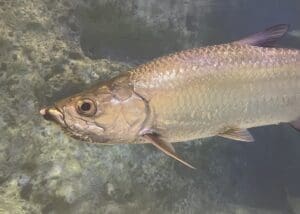
Watch for another fish. A second or third roll can reveal the direction the school is traveling, allowing you to move ahead and set up rather than chasing them from behind. Large swimbaits, jigs and plugs can all draw strikes. Presentation matters, but putting the lure where a moving tarpon can actually see it matters even more.
Tarpon shouldn’t distract from the bull red focus of a trip, but they should always be in the back of your mind. You’re already running the same beachfront ecosystem, so keep looking.
Fish the Ecosystem, Not a Spot
That’s really the key to this entire style of fishing. Don’t become married to coordinates.
Nearshore Gulf fishing is dynamic. The place where bull reds destroyed bait yesterday can look completely dead this morning. Wind, current, water clarity and bait movement constantly rearrange the playing field. If an area is lifeless, move. If you find acres of bait, slow down and investigate.
Pay attention to birds even when they aren’t actively feeding. Gulls and terns gathering or circling high overhead may be watching the same bait you’re trying to locate. If scattered birds suddenly begin dropping to the surface, something underneath may have pushed forage within reach.
Even when nothing is actively feeding, major concentrations of bait are worth remembering. Predators may eventually find them. The objective isn’t necessarily finding a particular piece of structure; it’s finding life.
Gear for the Unexpected
One reason this fishery is so much fun is that you don’t always know what’s going to eat the lure. A 7- to 8-foot medium-heavy or heavy spinning rod matched with a quality reel gives anglers the casting distance needed to reach moving schools while providing enough backbone for big fish. Thirty- to 50-pound braided line provides capacity and strength without sacrificing casting ability.
Use a substantial leader appropriate for large saltwater predators and check it regularly for abrasion. Make sure the drag is smooth before leaving the dock because a bull red can expose weak tackle, and a kingfish or tarpon can expose it even faster.
Check hooks and split rings on plugs and spoons as well. Some lures that work perfectly well for smaller inshore fish aren’t equipped from the factory for the punishment a big Gulf predator can deliver. Have landing equipment ready before the fish are hooked, too. When a school erupts and everybody starts casting, things can get chaotic quickly.
Summer Heat, Gulf Weather
The same summer heat that helps define this fishery also demands respect. Early mornings are usually the best time to begin the hunt because conditions are cooler for anglers and the Gulf is often calmer before daytime winds increase. That’s also a great time to spot subtle surface activity that becomes difficult to see once the water gets rough.
Carry plenty of drinking water, use serious sun protection and watch everyone aboard for heat stress. More importantly, watch the weather. The open Gulf is not the bay, and thunderstorms can develop quickly while winds and seas can change faster than expected.
No school of bull reds is worth taking a chance with a summer thunderstorm.
Run Until You Find Them
Catching bull reds on natural bait is effective, but hunting them with artificials from a boat is something different. You’re reading an ecosystem as you run the beach, watching birds, locating menhaden, looking for slicks, studying electronics and paying attention to every disturbance on the surface.
Then you make the cast.
The rod might load up and a bull red starts digging toward the bottom. A king mackerel might take off so fast the drag screams. And that dark shape rolling ahead of the boat might turn out to be a tarpon.
That’s the appeal of fishing the nearshore Texas Gulf during the summer. The beachfront is alive, the predators are moving and the boat gives you the ability to hunt right along with them.