
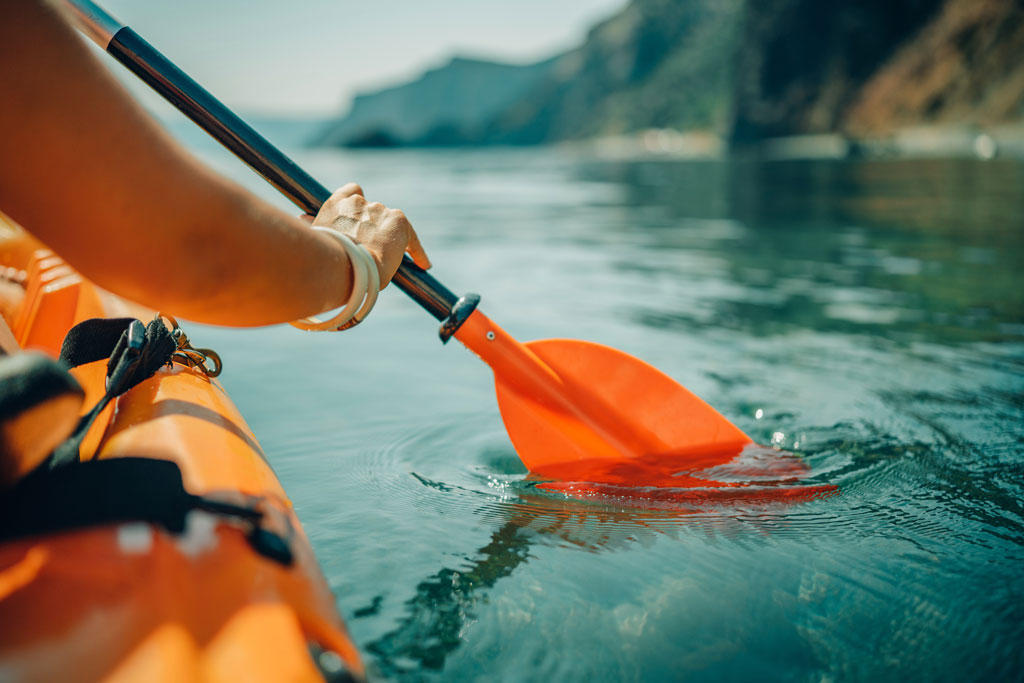
OUTDOOR RECREATION is becoming less about choosing one activity and more about exploring a range of experiences. Someone who spends a weekend fishing may also spend the next weekend kayaking. A person who enjoys paddleboarding might become interested in tennis, while a skater may discover that other board sports offer a completely different way to enjoy movement and the outdoors.
This shift reflects a broader change in how people approach recreation. Instead of identifying themselves with a single sport or hobby, many outdoor enthusiasts are building personal collections of activities that suit different seasons, locations, social settings, and fitness goals. The result is a more flexible and interconnected outdoor culture where fishing, paddling, skating, tennis, pickleball, and other activities can complement one another.
Moving Beyond a Single Outdoor Hobby
Traditional outdoor recreation often centered on one primary activity. Someone might describe themselves as a fisherman, cyclist, hiker, or tennis player. Today, those categories are increasingly fluid.
Convenience plays a role. Many people want activities that can fit into different schedules and environments. Fishing may provide a slower weekend experience, while kayaking offers more active time on the water. Tennis can provide structured exercise during the week, and skating can turn an afternoon at a local park into a skill-building session.
Curiosity is another major factor. Learning one activity often exposes people to related recreational communities. A kayaker may become interested in paddleboarding because both involve spending time on the water. A tennis player may try pickleball because of the similarities in court positioning, movement, and racquet skills. Likewise, someone interested in skating may naturally explore other board-based activities.
Rather than replacing one hobby with another, people are increasingly adding new experiences to their recreational routines.
Fishing Remains a Gateway to Outdoor Exploration
Fishing illustrates how outdoor recreation can combine relaxation, skill, nature, and social connection. It can be enjoyed from shore, a dock, a boat, or a kayak, giving participants multiple ways to experience the same basic activity.
For beginners, fishing also encourages patience and observation. Understanding water conditions, learning basic equipment, and developing an awareness of the surrounding environment are all part of the experience. These skills can make other outdoor activities feel more approachable.
Someone who becomes comfortable spending time around lakes and rivers may eventually want to explore those environments differently. Kayaking and canoeing provide opportunities to travel across the same waters while adding physical movement and exploration. Paddle sports can offer another progression, especially for people who enjoy being active while remaining close to nature.
This is one reason modern recreation is becoming interconnected. One activity can introduce people to an entire outdoor environment rather than functioning as an isolated hobby.
Kayaking and Paddle Sports Add Movement to the Water
Water-based recreation has expanded well beyond traditional boating and fishing. Kayaking, canoeing, stand-up paddleboarding, and related activities give people different ways to explore rivers, lakes, and coastal areas.
Paddle sports are particularly adaptable. Some people enjoy them as leisurely outdoor activities, while others use them for fitness, adventure, or skill development. Beginners can start with basic techniques and gradually become more comfortable with balance, steering, and water conditions.
The social side of these activities also matters. Friends and families can participate together even when they have different skill levels. One person may prefer a relaxed paddle while another seeks a more physically demanding route.
This flexibility makes paddle sports a natural part of a broader recreational lifestyle.
Board Sports Bring a Different Kind of Challenge
Board sports introduce another dimension to outdoor recreation. Skateboarding, longboarding, and similar activities require balance, coordination, body control, and repeated practice.
Unlike some activities where beginners can immediately participate at full speed, board sports often involve a noticeable learning curve. Developing basic balance and movement skills takes time, but that process can also be one of the most rewarding parts of the experience.
For someone starting from scratch, structured instruction can make the early stages more approachable. Searching for resources that help people learn to skateboard can provide beginners with guidance on foundational skills, safety, equipment, and progression rather than expecting them to figure everything out independently.
Instruction can serve a similar purpose across many outdoor activities. Whether someone is holding a fishing rod, sitting in a kayak, standing on a board, or stepping onto a tennis court, having a clear starting point can reduce uncertainty and help new participants build confidence.
Tennis and Pickleball Expand the Outdoor Routine
Not every recreational activity requires a trail, lake, or coastline. Tennis and pickleball demonstrate how outdoor sports can become part of everyday community life.
Tennis offers opportunities for individual practice, doubles play, recreational competition, and organized instruction. Players can gradually develop their skills while enjoying a consistent form of physical activity. For adults in particular, structured adult tennis programs can provide a practical way to learn or return to the sport while meeting other players with similar interests.
Pickleball has also become part of the broader recreational landscape. Its court size, equipment, and playing style create a different experience from traditional tennis, while still involving movement, positioning, hand-eye coordination, and strategy. People who already participate in tennis may find aspects of pickleball familiar, while newcomers can approach it as an entirely separate activity.
Instructional programs can be useful here as well. For someone unfamiliar with the rules or techniques, Ace pickleball lessons can represent the kind of structured learning opportunity that helps beginners understand the fundamentals before progressing into regular recreational play.
The larger point is not that every outdoor enthusiast needs to participate in every sport. Instead, modern recreation gives people more opportunities to move between activities according to their interests.
Structured Instruction Makes Exploration Easier
One of the biggest changes in recreational culture is the availability of specialized instruction. Beginners no longer have to depend entirely on friends or trial and error to understand the basics of a new activity.
Instructional and recreational websites can serve as useful starting points by connecting newcomers with lessons, instructors, equipment information, and practical guidance. A person interested in trying a new sport can use these resources to understand what the activity involves before committing to equipment or advanced training.
This model applies across different forms of recreation. A first-time skateboarder might need help with stance and balance. A new kayaker may need guidance on paddling technique and water safety. A tennis beginner may benefit from learning how to hold the racquet correctly and move around the court. Someone trying pickleball may need an introduction to serving, scoring, and court positioning.
Structured instruction does not remove the discovery aspect of recreation. Instead, it can provide a foundation that allows people to explore with greater confidence.
Recreation Is Becoming More Social
Another defining feature of the new outdoor recreation culture is its social nature. Activities are increasingly ways to connect with friends, family members, neighbors, and local communities.
A fishing trip can become a family tradition. A kayaking group can turn weekend outings into regular social events. A skating session can introduce someone to a local community. Tennis and pickleball courts can create opportunities to meet people while staying active.
This social dimension can also encourage people to experiment. A friend who plays tennis may invite a newcomer to a game. A paddler may introduce someone to kayaking. A skateboarder may encourage a beginner to practice basic skills.
As people move between recreational communities, they discover that the skills and habits developed in one activity can sometimes support another.
The Value of Cross-Training Through Recreation
Participating in several outdoor activities can also provide variety. Repeating the same activity exclusively can become routine, while switching between different forms of movement can keep recreation interesting.
Fishing may emphasize patience and environmental awareness. Kayaking can involve endurance and coordination. Skating requires balance and body control. Tennis and pickleball involve quick reactions, movement, and strategy.
These differences make recreational cross-training appealing. People can choose an activity based on their mood, available time, weather, or location without abandoning their overall commitment to spending time outdoors.
It also creates opportunities to discover unexpected interests. Someone may begin with a casual fishing trip and eventually become interested in kayaking. A tennis player might try pickleball with friends. A beginner who discovers skating may eventually explore other board sports.
A More Flexible Future for Outdoor Recreation
The future of outdoor recreation is likely to be defined less by strict categories and more by exploration. People are finding ways to combine traditional pastimes with newer activities, moving between water sports, court sports, board sports, and other recreational experiences.
This does not mean traditional activities are disappearing. Fishing, hiking, tennis, and other established pursuits continue to provide strong foundations for outdoor participation. What is changing is the willingness to move between them.
The new generation of outdoor recreation is ultimately about choice. People can spend a quiet morning fishing, explore a lake by kayak in the afternoon, practice skating on another day, and meet friends for tennis or pickleball later in the week. Each activity offers a different challenge and a different way to experience movement, nature, and community.
With accessible instruction and recreational resources making it easier to get started, trying something new has become less intimidating. The result is an outdoor culture where curiosity matters as much as specialization—and where one activity can be the beginning of an entirely new recreational journey.