
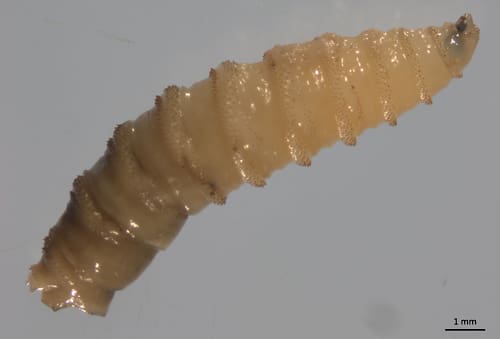
Texas hunters heading into the woods this fall have something new to watch for besides deer, squirrels and other game.
New World screwworm has emerged as a serious animal-health concern in Texas, and the arrival of hunting seasons could provide another important layer of surveillance as thousands of hunters spend time in wildlife habitat and begin examining harvested animals.
The latest U.S. Department of Agriculture data show 50 confirmed animal cases in the United States since the first case was detected June 3. All 50 have involved domestic animals. As of Sept. 26, USDA reported two active cases and 48 inactive cases, with no confirmed cases in wildlife or feral animals.
That zero is significant.
USDA has been conducting extensive wildlife surveillance in high-risk areas of Texas. More than 6,600 wild animals representing 28 species have been examined with no evidence of New World screwworm. The agency has also conducted more than 1,000 drone surveillance flights observing more than 20,000 animals, while more than 130 trail cameras have produced observations of nearly 17,000 animals.
There have, however, been several recent developments worth watching.
New Mexico animal health officials confirmed the state’s second New World screwworm case Sept. 17 in a horse in Grant County. State and federal officials responded by expanding surveillance and fly trapping around the location and establishing an infested zone with a minimum 12.4-mile radius.
The New Mexico Department of Wildlife is also working on wildlife surveillance and monitoring hunting activity and the movement of dogs and horses through or near the affected areas.
Texas has seen activity in the Big Bend region as well. A working ranch horse in Presidio County was confirmed with New World screwworm in September, marking the first equine case associated with the 2026 U.S. incursion. Presidio County is among 12 Texas counties where portions of the county are currently under movement restrictions.
USDA’s detection dashboard also shows a wild New World screwworm fly detected in a trap in Brewster County on Sept. 25. A wild-fly detection is different from finding an infested animal, but it adds another reason for hunters and other outdoorsmen to pay attention while in the field.
The Texas Animal Health Commission reports that 17 Texas counties have had animal cases involving 39 premises. Movement restrictions remain in portions of Brewster, Crockett, Edwards, Jeff Davis, Pecos, Presidio, Schleicher, Starr, Sutton, Terrell, Val Verde and Zapata counties.
New World screwworms are the larvae of the fly Cochliomyia hominivorax. Unlike many maggots that feed on dead tissue, screwworm larvae infest wounds and feed on living tissue in warm-blooded animals. Untreated infestations can become severe and potentially fatal.
That makes the beginning of fall hunting seasons particularly interesting from a wildlife surveillance standpoint.
Texas Parks and Wildlife Department is already asking hunters to be vigilant. TPWD specifically encourages hunters to report wildlife displaying suspicious wounds and to thoroughly inspect harvested game for wounds that might contain screwworm larvae.
The agency also emphasizes proper management of wildlife carcasses suspected of containing screwworms, since preventing viable larvae from remaining in or on a carcass is important for breaking the fly’s life cycle.
This could make hunters an important set of eyes on the landscape.
Wildlife biologists and government surveillance programs can cover only so much ground. During hunting season, however, hunters collectively spend enormous amounts of time in places ranging from South Texas brush country and West Texas mountains to the Pineywoods and river bottoms of East Texas.
They also see wildlife at a level most people never do. Hunters watch animals through binoculars and trail cameras, recover game and closely examine harvested animals while field dressing them.
None of this means wildlife screwworm cases will suddenly begin appearing as hunting activity increases. So far, the extensive surveillance showing no confirmed wildlife or feral animal cases is encouraging.
But if screwworm is present in wild animals at a low level, increased human activity in wildlife habitat could improve the odds of detecting something unusual.
That becomes increasingly relevant as more hunting seasons open and participation increases through the fall.
TPWD notes that while all warm-blooded animals can potentially be infested, white-tailed deer, jackrabbits, cottontails, small mammals and turkeys are among wildlife more commonly affected.
Hunters should pay particular attention to animals with unusual open wounds, wounds that appear to be worsening instead of healing or visible maggots. Screwworm infestations can occur in relatively small wounds, so the size of an injury alone should not determine whether something deserves attention.
Hunters also should not assume finding maggots automatically means they have discovered New World screwworm. Other fly larvae occur naturally in wounds and carcasses, and suspected cases require proper identification.
For wildlife, suspected cases should be reported to Texas Parks and Wildlife Department. Hunters can contact a TPWD wildlife biologist or call 512-389-4505. Suspected cases involving livestock and companion animals should be reported to the Texas Animal Health Commission at 1-800-550-8242.
Texas has entered an unusual wildlife situation. New World screwworm has returned to the state, domestic animals have been infected, a wild fly has been detected in Brewster County and a second case has now been confirmed in neighboring New Mexico.
Yet despite intensive surveillance, there are still no confirmed cases in wild or feral animals.
As thousands more hunters enter the field this fall, the number of people watching Texas wildlife is about to get much bigger.
Every hunter who knows what to look for can help keep watch.