
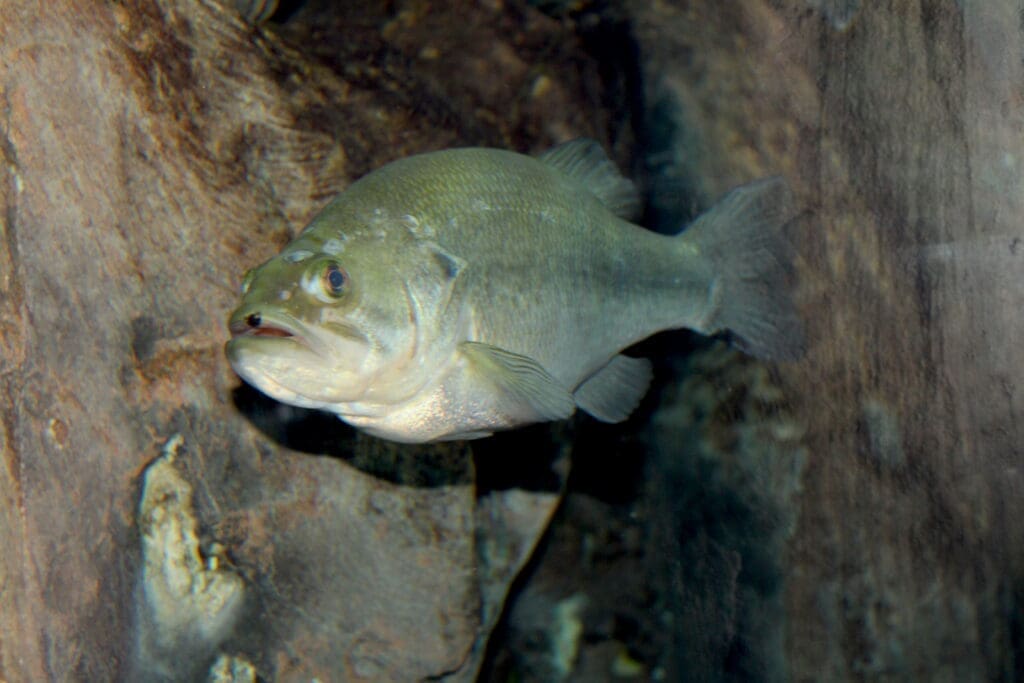
Fall is one of the best times of year to catch largemouth bass in Texas. As water temperatures begin to cool and baitfish move into creeks and coves, bass often become increasingly aggressive, creating outstanding opportunities for anglers. Finding schools of bass chasing shad can produce fast action on crankbaits, spinnerbaits, topwaters and soft plastics.
For many fishermen, fall is about numbers, but there’s another side to fall bass fishing that doesn’t always get the attention it deserves. October can produce some truly enormous largemouth bass, including fish that rival those caught during the traditionally celebrated spring trophy season.
The Texas Parks and Wildlife Department’s Toyota ShareLunker program provides plenty of evidence.
October’s Monster Bass
Consider the 16.02-pound largemouth caught by Scott Tongate at Possum Kingdom Lake on Oct. 13, 1989. That extraordinary fish demonstrates just how much trophy potential Texas reservoirs can offer during the fall, and it wasn’t an isolated occurrence.
On Oct. 3, 2008, John True of Dallas caught a 13.38-pound bass from a private lake in Rusk County while fishing with his 3-year-old son, Jack. The giant struck a Senko in 10 feet of water.
Danny McBride caught a 13.16-pound largemouth at Lake Fork on Oct. 29, 2004, using a Carolina rig in 12 feet of water. Those catches are particularly interesting because neither fish required an oversized lure. Both came on presentations that Texas bass anglers routinely use throughout the year.
More recently, the Toyota ShareLunker program has documented impressive October catches from several Texas reservoirs. Here are selected catches arranged from heaviest to lightest:
| Angler | Lake | Date | Weight |
|---|---|---|---|
| Scott Tongate | Possum Kingdom | Oct. 13, 1989 | 16.02 lbs. |
| John True | Private lake, Rusk County | Oct. 3, 2008 | 13.38 lbs. |
| Danny McBride | Lake Fork | Oct. 29, 2004 | 13.16 lbs. |
| Doug Farmer | Possum Kingdom | Oct. 19, 2024 | 12.60 lbs. |
| Brayden Elliott | Bob Sandlin | Oct. 26, 2025 | 12.55 lbs. |
| Nick Mogg | J.B. Thomas | Oct. 21, 2025 | 12.08 lbs. |
| Kevin Robertson | J.B. Thomas | Oct. 26, 2025 | 11.34 lbs. |
| Lawrence Lee | J.B. Thomas | Oct. 27, 2024 | 11.15 lbs. |
| Jeff Bramlett | O.H. Ivie | Oct. 22, 2024 | 10.90 lbs. |
| Amy Lemaster | J.B. Thomas | Oct. 27, 2025 | 10.65 lbs. |
| Kevin Robertson | J.B. Thomas | Oct. 23, 2024 | 10.60 lbs. |
| Lawrence Lee | J.B. Thomas | Oct. 25, 2024 | 10.42 lbs. |
Source: Texas Parks and Wildlife Department’s Toyota ShareLunker program. These are selected historical catches, not an exhaustive accounting of every October entry.
The concentration of big fish from J.B. Thomas is especially noteworthy. That West Texas reservoir has produced numerous outstanding largemouths, and anglers such as Lawrence Lee have demonstrated that multiple trophy fish can be caught during the fall.
While the biggest bass often receive attention during late winter and spring, these catches show that double-digit fish remain available during October. They also demonstrate that anglers don’t necessarily have to wait for spawning season to pursue a fish of a lifetime.
Going Big for Fall Bass
For anglers specifically interested in catching a giant largemouth, fall offers opportunities to approach fishing differently. Large swimbaits, oversized spinnerbaits, big walking topwaters and substantial soft-plastic presentations all deserve consideration.
As bass feed on shad and other forage, larger fish may take advantage of opportunities to consume bigger meals. Presenting a lure that resembles a substantial baitfish can be an effective way to target these predators, particularly around areas where larger forage is concentrated.
Points adjacent to creek channels, submerged timber, offshore humps and areas near large concentrations of baitfish are all worth investigating. One important consideration is that not every big bass follows the same seasonal movements as smaller fish.
While schools of aggressive bass may chase shad into shallow coves, some trophy fish remain near deeper structure, moving into feeding areas when conditions are favorable. A large swimbait worked slowly along a point or near submerged timber can be effective, while oversized spinnerbaits are another option around cover, particularly where anglers need to cover water.
Large topwaters can also produce explosive strikes when bass are feeding near the surface. Walking baits with substantial profiles can be particularly interesting during low-light conditions when big bass move into shallower feeding areas.
However, the historical ShareLunker catches offer an important reminder. A giant bass doesn’t necessarily require a giant lure. True’s 13.38-pounder on a Senko and McBride’s 13.16-pounder on a Carolina rig demonstrate that familiar presentations can produce extraordinary results.
The biggest difference may be where anglers fish and how patiently they approach promising areas. Sometimes targeting trophy bass means working an isolated piece of structure thoroughly rather than constantly moving in search of another school of smaller fish.
Finding Fall Giants
Texas is a large state, and fall conditions can vary considerably from one reservoir to another. In North Texas, October may bring significant cooling and substantial baitfish movements. Farther south, water temperatures may remain relatively warm, with seasonal changes developing more gradually.
Anglers should pay attention to water temperatures, forage concentrations and the effects of passing cold fronts rather than relying entirely on the calendar. The first significant cold fronts of autumn can change bass positioning and feeding patterns, sometimes creating new opportunities for anglers who adjust their tactics.
On some lakes, baitfish move into creek systems, drawing bass toward shallower water. On others, productive fishing may remain concentrated around main-lake points, deeper channels and offshore structure.
Anglers pursuing numbers can enjoy outstanding action by locating actively feeding schools, but those targeting trophy fish may benefit from concentrating on areas where larger bass have access to deep water, substantial cover and dependable food sources.
That approach sometimes means accepting fewer bites. A day spent throwing large swimbaits or carefully working isolated structure may not produce the action anglers experience when targeting schooling bass, but one strike from a double-digit largemouth can make the entire effort worthwhile.
A Season Worth Remembering
The Toyota ShareLunker program has helped document Texas’ extraordinary trophy-bass potential for decades, and its historical records offer valuable lessons about when and where big fish are caught.
Spring will always command considerable attention among anglers pursuing giant largemouths, particularly during the spawning season. But the records clearly demonstrate that fall shouldn’t be overlooked.
From a 16-pound monster at Possum Kingdom to more recent double-digit catches at J.B. Thomas, October has delivered some remarkable fish. For Texas anglers, fall can be a season of outstanding numbers, aggressive strikes and fast action, but for those willing to concentrate on trophy habitat and occasionally throw something a little bigger, it can also be the season of a lifetime.