
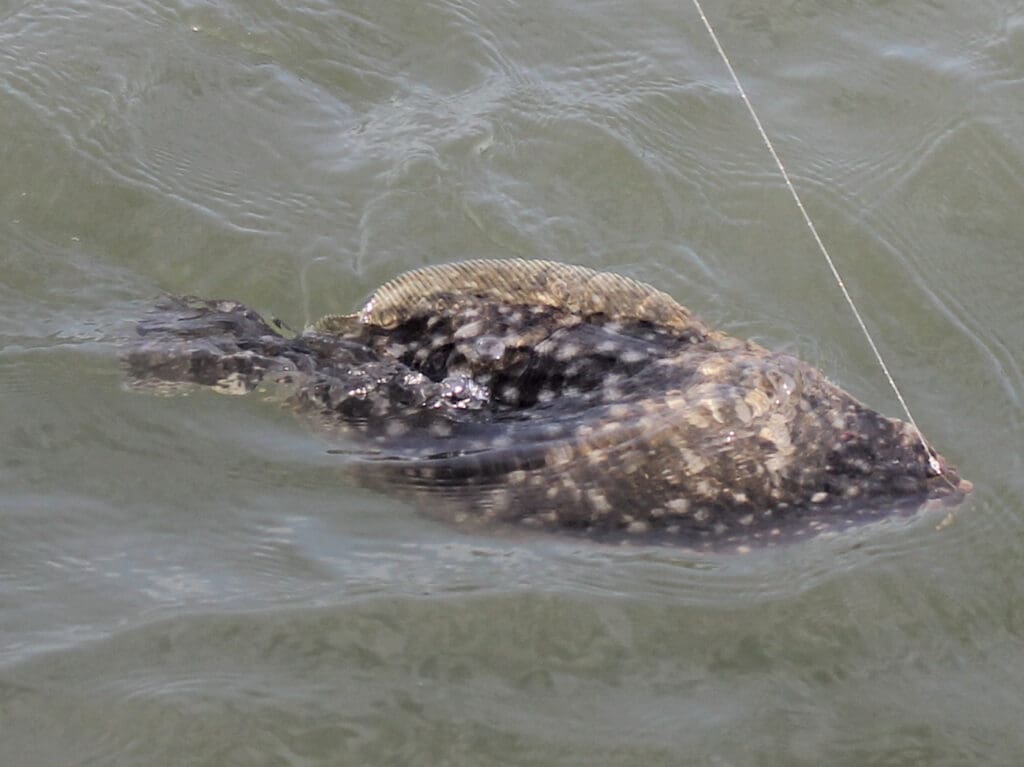
November 1 marks the beginning of Texas’ annual flounder closure, but anglers still have an opportunity to catch some quality flatfish before the season shuts down. In fact, the final days of October can offer some of the most interesting flounder fishing of the fall.
The key is understanding that not all flounder make their migration toward the Gulf at the same time. Some fish begin staging near the mouths of marsh drains, bayous and other cuts well ahead of the major fall run. These areas can concentrate flounder as they prepare to move toward the Gulf for spawning.
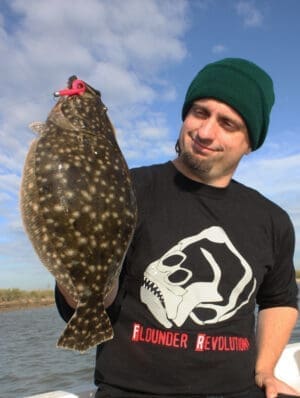
If a powerful cold front pushes through before November 1, it could trigger a major movement of flounder and potentially kick off a full-scale run. However, anglers shouldn’t count on that happening before the closure. Instead, the most consistent strategy is to target fish already staging near the mouths of cuts and other migration routes.
One of the best places to start is around the front of a marsh drain where moving water carries baitfish and shrimp into a larger bay or channel. Flounder frequently position themselves along the bottom near these areas, waiting to ambush prey swept along by the current.
Look for small points, changes in bottom contour and places where a cut opens into deeper water. These areas provide excellent ambush opportunities, particularly when tidal movement concentrates forage.
Live Bait and Artificial Lures
Live mud minnows are among the most dependable baits for fall flounder, and a Carolina rig is an excellent way to present them. A small egg sinker above a swivel, followed by a short leader and hook, allows the bait to move naturally while staying close to the bottom.
Cast toward the mouth of a cut and slowly work the bait across the bottom, paying particular attention to the edges where current slows. Flounder often strike subtly, so watch for unusual pressure or a change in how the bait feels.
Artificial lures can be equally effective, especially when anglers want to cover water and locate concentrations of fish.
A traditional curly-tailed grub tipped with a small piece of shrimp remains a productive flounder presentation. The grub provides movement while the shrimp adds scent, giving fish another reason to hold onto the bait.
Berkley Gulp! Swimming Mullets and Gulp! Shrimp are also excellent options. Both can be fished on a 1/8-ounce jighead and slowly bounced or dragged along the bottom near cuts, channel edges and other staging areas.
The important thing is keeping the lure in the strike zone. Flounder are ambush predators, and presentations that move too quickly or too high above the bottom may pass right over fish without drawing a strike.
Make the Most of October
Fall flounder fishing is often associated with the spectacular runs that occur when strong cold fronts push fish toward the Gulf. But anglers don’t have to wait for a massive migration to enjoy good fishing.
By concentrating on staging areas, fishing moving tides and presenting live bait or soft plastics slowly along the bottom, anglers can find excellent opportunities during the final days of October.

And while enjoying the action, consider doing something to help conserve Texas flounder. Anglers are encouraged to voluntarily release flounder measuring 20 inches or longer, allowing these large fish, which are generally females, to contribute to future spawning.
If you catch and release a flounder measuring 20 inches or more, take a quick photo and email it to chester@chesteroore.com. We’ll send you a Flounder Revolution coin in recognition of your contribution to flounder conservation.
We have only a handful of these coins remaining, and they will likely be the last Flounder Revolution coins ever distributed. It’s a special opportunity to receive a piece of Texas flounder conservation history while doing something positive for the fishery.
Chester Moore