
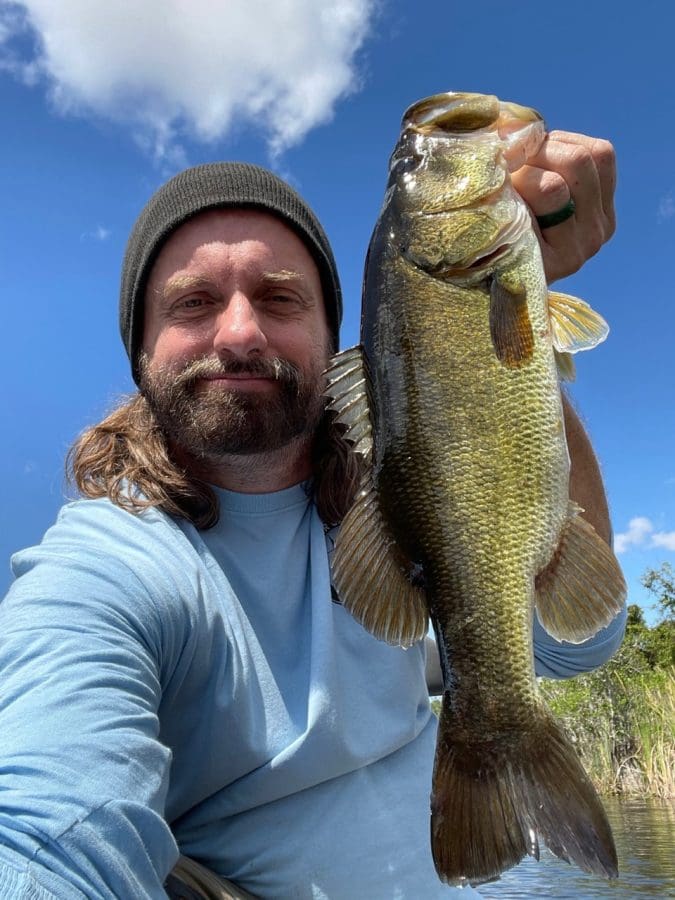
There’s something special about a largemouth bass exploding on a topwater lure.
And when fall arrives, some of the most exciting surface action of the year can take place on lakes throughout Texas.
As water temperatures begin dropping, bass often become increasingly aggressive as they feed on shad and other baitfish. This creates outstanding opportunities for anglers willing to put down their soft plastics and crankbaits and work the surface.
One of my favorite approaches to fall topwater fishing involves chugger-style plugs.
Lures like the Rebel Pop-R and other cupped-face topwaters can be incredibly effective around shallow cover, points and areas where bass are chasing baitfish.
The key is experimenting with the retrieve.
Sometimes bass want a loud, aggressive presentation with the lure throwing water and making plenty of commotion. Other times, a subtle pop followed by a long pause is what triggers a strike.
I particularly like fishing chuggers around isolated stumps, grass edges and shoreline cover where bass might be waiting to ambush passing shad.
Walking-style topwaters are another outstanding option.
The legendary Zara Spook helped establish this category, and modern versions continue to produce big fish. Their side-to-side action allows anglers to cover water and imitate fleeing baitfish, particularly when bass are schooling near the surface.
Fall is also a great time to experiment with newer topwater designs.
Large wakebaits and floating swimbaits can produce incredible strikes from bass targeting bigger forage. Unlike traditional subsurface glide baits, which swim beneath the surface, wakebaits create a visible disturbance as they move across the water.
Prop baits and plopping-style lures are also worth trying, particularly when fish are actively feeding and a noisy presentation can attract attention.
One thing I’ve learned about topwater fishing is that the biggest mistake anglers make is retrieving their lure too quickly after a strike.
When a bass blows up on a plug, resist the temptation to immediately jerk back. Wait until you feel the fish’s weight before setting the hook. This can make a tremendous difference in hookup success.
And don’t assume topwater fishing ends when the sun gets high.
During fall, overcast conditions, windblown shorelines and active schools of baitfish can keep surface action going well into the day.
The sight of a five-pound largemouth erupting beneath a chugger is something that never gets old.
And when fall bass are feeding aggressively, there’s no better place to experience that excitement than right on top.
Chester Moore