
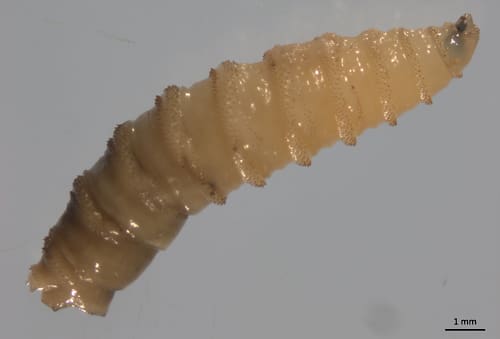
New World screwworm continues to spread across Texas, with 86 confirmed animal infestations in 25 counties as the potentially deadly parasite raises growing concerns for livestock producers, hunters and wildlife managers.
According to the Texas Division of Emergency Management’s November 14 situation report, Texas has recorded 86 cases since the first confirmed detection June 3. The Texas Animal Health Commission reports that 77 premises have experienced at least one confirmed infestation.
The latest U.S. Department of Agriculture figures show 139 confirmed cases nationwide, including 137 involving domestic animals and two involving wildlife. The outbreak has now affected Texas, New Mexico and Arizona, with detections increasing sharply during October and November.
Among the latest Texas detections are cattle in Jim Hogg and La Salle counties, a horse in Goliad County and sheep in Terrell County. The Goliad detection represents another geographic expansion of the outbreak, which has already affected large portions of West and South Texas.
The USDA reported 33 new domestic animal cases nationwide during October and another 53 during November through November 13. Of the 139 total animal cases, 74 domestic cases remain active, while 63 domestic cases and both wildlife cases are classified as inactive.
For Texas hunters and conservationists, the wildlife implications are particularly troubling.
Two elk have tested positive for New World screwworm in Texas. The first was a female elk harvested by a hunter on a Pecos County game ranch, with the infestation confirmed October 21. A second detection occurred in Jeff Davis County November 4.
These cases demonstrate that the parasite is not limited to livestock and can affect free-ranging wildlife.
New World screwworm flies lay eggs in wounds or other vulnerable areas of warm-blooded animals. Unlike ordinary maggots that feed primarily on dead tissue, screwworm larvae consume living flesh, potentially causing extensive injuries and death if infestations go untreated.
Texas wildlife species potentially vulnerable to infestation include white-tailed deer, mule deer, feral hogs and desert bighorn sheep.
The threat to desert bighorns is particularly concerning because populations are limited and many inhabit remote mountain ranges where detecting infected animals would be difficult.
Wildlife surveillance presents challenges not encountered with livestock. Ranchers can regularly inspect domestic animals, but deer, elk and bighorn sheep may travel considerable distances without being closely observed.
Federal officials have also documented seven wild screwworm fly-trap detections, providing additional evidence of the parasite’s presence beyond confirmed animal infestations.
The Texas Animal Health Commission has established animal movement restrictions in affected areas to reduce the risk of spreading the parasite.
With deer hunting season underway, hunters could play an important role in identifying suspicious infestations. Wildlife officials are encouraging hunters and landowners to examine harvested animals for unusual wounds and larvae and report suspected cases.
The Texas Parks and Wildlife Department continues outreach and surveillance efforts as the outbreak develops.
With 86 confirmed Texas cases and new detections continuing, the question is no longer whether New World screwworm has established a presence in the state, but how far it may spread and what impact it could ultimately have on Texas wildlife.