
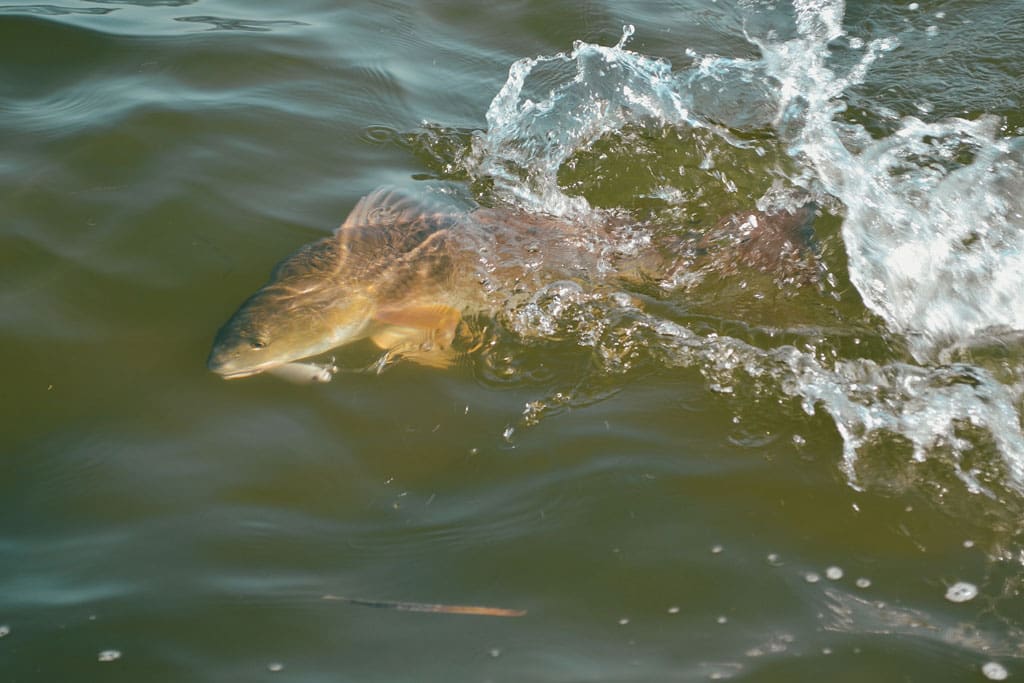
Fall is a great time to catch redfish along the Texas coast, and one of the biggest reasons is shrimp. As temperatures cool and fronts begin pushing through, shrimp move out of the marshes and into bay systems, creating excellent feeding opportunities for reds.
While the major shrimp migrations may have already occurred in some areas, there should still be shrimp in Texas bay systems well into late fall. Anglers who locate these remaining concentrations can find some outstanding redfish action, especially around marsh drains, bayou mouths and the edges of deeper channels.
Follow the Shrimp
White shrimp are particularly important to fall redfish patterns. As water temperatures decline and seasonal conditions change, these shrimp move from shallow nursery areas toward deeper waters and eventually the Gulf. Redfish take advantage of this movement by positioning themselves where tides and currents concentrate their prey.
One of the best places to target reds is around marsh drains during an outgoing tide. As water pours out of the marsh, shrimp are carried into areas where redfish can easily intercept them. Oyster reefs near these drains, small points and channel drop-offs can also be productive.
Pay close attention to shrimp skipping across the surface or making small disturbances near grass lines. These can be signs that redfish are feeding below. Birds picking at the surface can also reveal feeding activity, although trout and other predators may be responsible.
Match the Hatch
Artificial shrimp imitations are excellent choices for targeting fall reds. Soft-plastic shrimp rigged on light jigheads can be worked along the bottom with short hops and pauses that imitate the movements of fleeing shrimp. Natural colors work well in clear water, while brighter colors or darker silhouettes can be effective in stained conditions.
One of my favorite approaches for this kind of fishing is using a shrimp imitation beneath a popping cork. The cork creates noise and surface disturbance while keeping the lure suspended where redfish can find it. This is especially effective around drains, scattered shell and deeper edges where fish may be holding.
Live shrimp are another excellent option. Fishing them beneath a popping cork or free-lining them around shallow drains can produce outstanding results. When the water is moving quickly, a little additional weight may be necessary to keep the bait in the strike zone.
Watch the Weather
Cold fronts can dramatically change where redfish feed. Strong north winds often push water out of the marshes, concentrating shrimp and other forage in drains and deeper channels. Fish that were scattered across shallow flats may suddenly gather in relatively small areas.
Anglers should adjust their approach as water levels change. When the marshes drain, concentrate on nearby deeper water and channel edges. When tides rise again, reds may return to shallow shorelines and grass beds to feed.
The Sabine Lake complex, Galveston Bay, Matagorda Bay and other Texas coastal systems offer plenty of opportunities to take advantage of these patterns. Even after the biggest shrimp movements have passed, remaining shrimp can keep redfish feeding in predictable locations.
The key is finding moving water, locating bait and presenting a lure naturally. Fall redfish fishing does not have to be complicated, and some of the best action of the season can come from finding a small concentration of shrimp with hungry reds waiting nearby.
With shrimp still available in our coastal systems and redfish feeding heavily as winter approaches, there is plenty of reason to keep working the marsh drains and bay shorelines this fall.