
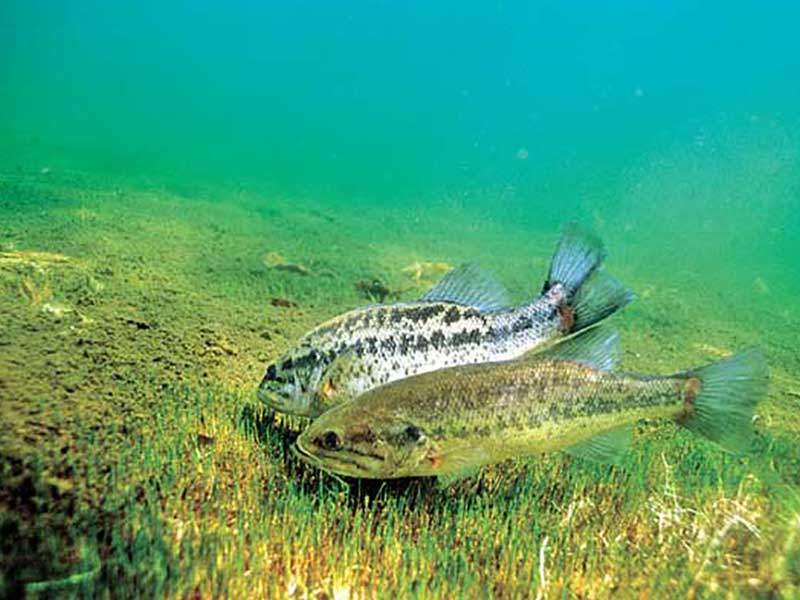
SPRING IS ONE OF the most productive seasons for largemouth bass fishing in Texas. As the water warms, bass become more active and begin moving toward shallow areas to spawn. This seasonal movement creates opportunities for anglers fishing from a boat, kayak, or shoreline.
However, spring bass fishing is not simply about casting into shallow water. Understanding where bass are in their seasonal cycle, identifying the right structure, and adjusting your presentation to changing conditions can make a noticeable difference.
When Is the Best Time for Spring Bass Fishing in Texas?
Largemouth bass spawning in Texas can begin as early as February and continue into May, depending on the region and water conditions. Spawning generally begins when water temperatures reach around 60°F.
South Texas lakes may warm up earlier than reservoirs in North Texas, so the calendar alone is not always a reliable guide. Pay attention to local water temperatures and whether the water has been warming steadily or recently cooled by a cold front.
Spring bass fishing can be divided into three general stages:
- Pre-spawn: Bass move toward spawning areas and feed actively as they prepare to reproduce.
- Spawn: Bass move into shallow, protected areas to build and guard nests.
- Post-spawn: After spawning, bass begin moving away from the shallows and may feed heavily as they recover.
These stages can overlap on the same lake. Rather than assuming all bass are doing the same thing, look for different areas that provide suitable habitat for each stage.
Where to Find Bass in Spring
- Creek Channels and Nearby Points
During the pre-spawn period, bass often use creek channels and points as travel routes toward shallow spawning areas. A point near the entrance of a creek or cove can provide a natural stopping place where bass feed before moving farther into the shallows.
Try casting a lipless crankbait, spinnerbait, or suspending jerkbait along these areas. If the water is still cool, slow your retrieve and allow the lure to remain in the strike zone longer.
- Shallow Coves and Protected Flats
When bass move closer to spawning, look for shallow flats and coves protected from strong wind and current. These areas may warm more quickly than deeper water, making them attractive to bass during the spring transition.
Bass commonly use areas with vegetation, submerged wood, rocks, or other cover. In Texas lakes, the available habitat varies considerably, so focus on the structure present in your particular lake.
A Texas-rigged soft plastic, creature bait, or jig can be effective around shallow cover. Make accurate casts and allow the bait to fall naturally near likely holding areas.
- Docks, Brush Piles, and Vegetation
Not every bass moves onto an open flat. Some remain near docks, brush piles, submerged trees, or vegetation that provides cover and access to nearby deeper water.
These structures can be especially useful when a cold front temporarily slows the shallow bite. Bass may move slightly deeper or hold closer to cover rather than abandoning the area entirely.
Try a soft plastic worm, jig, or compact creature bait around the edges of the structure. Avoid rushing through the area. A few careful casts to different angles can be more productive than repeatedly covering the same water.
Choosing the Right Fishing Setup
Spring bass fishing often involves changing between moving baits and slower presentations. A balanced fishing rod and reel setup can help anglers make accurate casts, control their lure, and handle bass around cover.
A medium or medium-heavy rod is a practical starting point for many common bass techniques, although the ideal power and action depend on the lure and fishing method. Spinning tackle can be convenient for lighter lures and finesse presentations, while baitcasting tackle offers control for heavier baits and repeated casting around structure.
Choose line based on the cover and technique. Lighter line may work well in open water, while heavier line can provide more control around vegetation, brush, and submerged timber.
You do not need a large collection of specialized tackle to get started. A few reliable setups and a selection of versatile lures are enough to cover many spring bass fishing situations.
Best Lures for Spring Bass Fishing
The most effective lure depends on water temperature, clarity, cover, and how actively bass are feeding.
Spinnerbaits are useful when bass are actively chasing baitfish or when wind creates a little surface disturbance. They can be worked around points, shallow vegetation, and submerged cover.
Lipless crankbaits are a good option for covering flats and locating active fish. They can be retrieved steadily or allowed to fall near grass edges and other structure.
Soft plastic worms and creature baits are useful when bass are holding close to cover or responding better to a slower presentation. Texas rigs allow anglers to work through many types of shallow structure with fewer snags.
Jigs can be effective around docks, brush piles, and rocky areas. Choose a weight that allows you to maintain contact with the bottom without making the presentation unnecessarily fast.
Keep a few different lure styles available rather than relying on one bait throughout the day. If bass follow a moving lure without striking, try slowing down or switching to a more subtle presentation.
How to Adjust After a Cold Front
Spring weather in Texas can change quickly. A cold front may bring lower temperatures, stronger winds, and a temporary change in bass activity.
After a front, bass may become less willing to chase fast-moving lures. Instead of continuing to retrieve a spinnerbait or crankbait quickly, try fishing more slowly around points, docks, and nearby cover.
A soft plastic worm or jig can help keep the bait in front of bass for longer. On sunny afternoons, shallow protected areas may warm slightly and attract fish, especially if the water temperature begins rising again.
The key is to adjust to the conditions rather than assuming the same pattern will work every day.
Spring Bass Fishing Tips for Texas Anglers
Before heading out, check the weather forecast and recent water conditions. Wind direction, rainfall, and water clarity can affect which areas are worth fishing.
If you are fishing from shore, look for points, accessible coves, docks, and areas with visible cover. These locations can provide opportunities without requiring a boat.
For anglers fishing from a boat, use creek channels and points to identify likely travel routes, then move into shallower areas when conditions suggest bass are preparing to spawn.
Always check the current Texas fishing regulations for the lake you plan to visit, including any special size or bag limits. Handle bass carefully, especially during the spawning season, and release fish promptly when you do not intend to keep them.
Spring bass fishing in Texas offers a wide range of opportunities, from targeting pre-spawn fish along creek channels to working soft plastics around shallow cover. By paying attention to water temperature, seasonal movement, and changing weather, anglers can make better decisions and enjoy a more productive day on the water.