
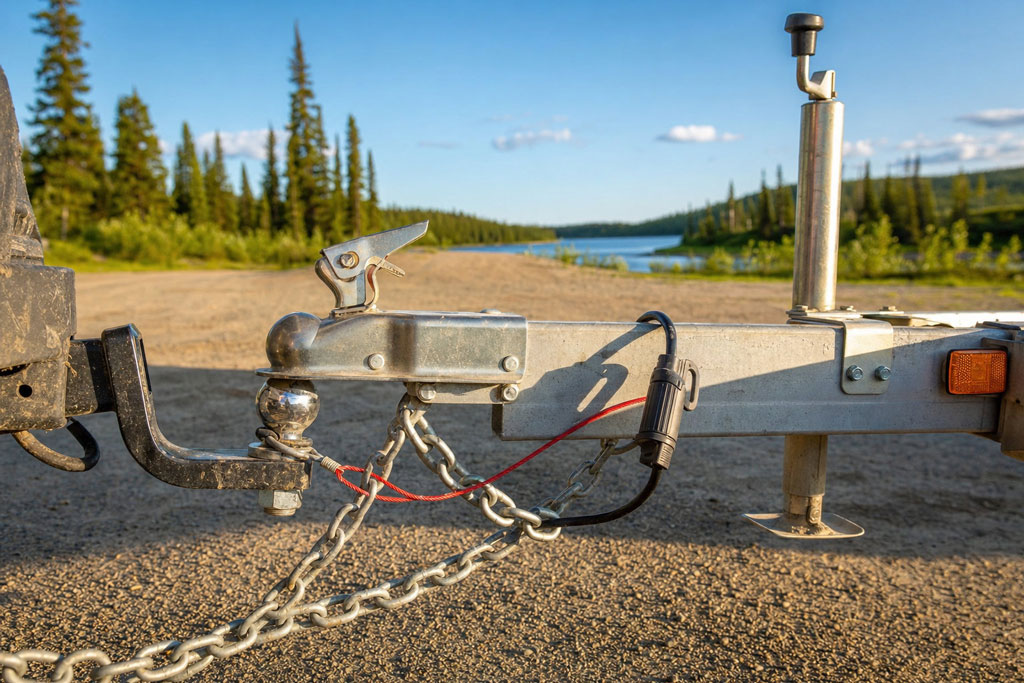
Towing your boat to remote fishing waters requires careful planning and more diligence than shorter local hauls. Sparse roadside services and variable road conditions can quickly turn a simple trip into a test of preparation and skill. Paying close attention to every aspect of your towing setup is essential for a safe and efficient adventure.
WHEN YOU HEAD OFF THE BEATEN PATH for fishing, the differences between remote and local destinations become clear. Longer drives often involve rougher access roads, greater distances from emergency services, and unreliable cellular coverage. Unlike common marina launches, you must anticipate unknowns such as limited fuel stops and challenging launch sites. Planning for the specific demands of remote trailering is necessary to reduce risks and ensure a smooth trip.
Key towing system checks for remote adventures
Reliable travel to distant fishing spots begins by matching your tow vehicle, trailer, and hitch as a dedicated system. Confirm that your vehicle’s tow capacity, maximum tongue weight, gross trailer weight, and payload meet the requirements for your full load and equipment. For example, a small SUV may struggle with a heavy center console boat over many miles of rough logging roads, while a full-size pickup is better suited for this type of terrain.
Carefully inspect your hitch setup, ensuring you have the correct class, ball size, and coupler fit. Double-check safety chains and the breakaway cable for proper securement. A weight-distributing hitch and sway control devices can be especially important on uneven or winding backroads, such as gravel fire lanes or rural highways, where stability matters most.
Before any trip, complete a trailer inspection that goes beyond a visual glance. Check your tires for correct pressure, age, and load rating, watching for signs of dry rot or sidewall cracks. The importance of carrying a real spare cannot be understated, especially in remote areas where help may be far away. Many anglers keep a checklist to ensure tire tools are packed since some trailer lugs require unique sockets.
Bearings and hubs should be examined for grease levels, excess heat after short drives, and indications of wear. Many trailer issues result from overlooked maintenance here, and preventing failures is far easier than roadside repairs. For navigation in areas with limited infrastructure, it’s wise to prepare with maps and alternate routes, as GPS signals can be unreliable in remote valleys or canyons. Take a moment to confirm that the lights and wiring work, identifying corrosion on contact points and fixing loose or damaged connections to avoid legal and safety issues in transit.
Securing your boat and gear during transport
Properly securing your boat for highway travel and rough roads is critical for both safety and preserving your equipment. Use quality transom tie-downs and dock the winch strap so the hull stays snug against the bow stop. For longer or particularly rough routes, add an extra tie to the bow eye as found on many deep-V fishing boats.
Strap placement matters. Avoid sharp edges that can chafe, and use padding where straps meet gelcoat or delicate surfaces. This prevents hull “bounce,” safeguarding both your boat’s finish and mechanical mountings, especially when driving on washboard roads or across cattle guards.
Loose gear inside the boat must be stowed securely to prevent shifting weight, which can cause sway or unpredictable handling. Always support your outboard or trolling motor with a dedicated mount or secure tie, particularly when covering rough terrain, to prevent transom damage. If you are evaluating potential upgrades or considering which rigs are best equipped for remote use, reviewing the selection of boats for sale on Pop Sells and noting which models are best suited for off-grid trailering can help you balance your fishing needs with safe transport.
Outfitting with the right accessories ensures adaptability and protection for all your equipment. For example, removable electronics, rod holders, and tackle storage boxes should be locked or strapped down—especially over long distances—to prevent loss or damage. Be mindful of local regulations regarding how boats must be secured during highway transport, as rules can vary between regions.
Driving safely with a trailer on challenging roads
Your driving approach must adapt to the extended length and additional weight of a trailered boat, particularly on winding or undulating roads. Increase your following distance, maintain steady speed, and plan lane changes well in advance. Gravel mountain passes or rutted access roads require extra caution, as sudden braking or sharp turns can lead to the rig skidding or jackknifing.
Downhill stretches require gentle, gradual braking to prevent brake fade. Use the lowest practical gear to control speed without overrelying on the brakes. For example, descending long grades on forest roads with a heavy rig may require stopping periodically to let brakes cool. On bridges or dips, slow down and keep the rig straight to minimize sway potential. If sway occurs, calmly ease off the accelerator without abrupt steering inputs.
Plan routes with care, opting for roads that offer adequate shoulder room and avoiding steep grades, low-clearance bridges, and tight corners. Always verify that your planned stops can accommodate your full rig, including turnaround space for safe departures. Remote boat ramps may have limited room for error, so scout ahead whenever possible to avoid backing into narrow or muddy spots without preparation.
When approaching unimproved ramps or shallow launches, walk the area in advance to assess footing and obstacles. This helps avoid unnecessary strain on your vehicle and ensures a smooth, safe launch or retrieval experience. In some cases, carrying traction mats or wooden planks can make the difference if the ramp is wet or unpaved.
Essential gear and at-ramp best practices for remote trips
Pack a jack and lug wrench that fit your trailer, along with wheel chocks, spare fuses, bulbs, and a full hub or bearing kit. Tire repair supplies, gloves, a headlamp, and a recovery strap are all practical additions, particularly when far from repair facilities. It is also helpful to pack extra wheel bearing grease and an air compressor or tire inflator—useful in areas with no nearby gas stations.
After the first 10 to 15 minutes of travel, pull over to check bearing heat, strap tension, and light function since early detection is often key to avoiding bigger problems. At the ramp, perform a careful walkaround before backing in, confirming pin placements and strap releases. For instance, forgetting to remove a transom strap could damage the mount or prevent safe launching.
When you return, rinse your trailer and boat to remove salt or debris. Take a few minutes for a post-trip inspection and tighten any loose hardware. Addressing small issues now helps ensure your next journey is safer and more enjoyable.